10 Essential Tips for Choosing the Right Conveyor Belt Conveyor for Your Business
In today's fast-paced manufacturing and logistics sectors, choosing the right conveyor belt conveyor is crucial for optimizing operations and enhancing productivity. According to a report by Grand View Research, the global conveyor system market was valued at over $7 billion in 2020 and is expected to expand at a CAGR of 4.9% from 2021 to 2028. This growth is indicative of the increasing reliance on automated solutions, making it essential for businesses to select a conveyor system that aligns with their operational needs.
Selecting the right conveyor belt conveyor involves more than just functionality; it also requires understanding the specific demands of your application. Factors such as material compatibility, load capacity, and environmental conditions play a significant role in determining the optimal conveyor system. The Material Handling Industry of America (MHIA) states that effective material handling can improve productivity by 25%-30%. Thus, making an informed choice on conveyor belt conveyors can lead to substantial efficiency gains, ultimately affecting the bottom line positively.
As we delve into the essential tips for selecting the most suitable conveyor belt conveyor, it is vital to consider how these systems can be tailored to enhance operational efficiency while minimizing costs and downtime in your business.
Understanding Conveyor Belt Types: An Overview of Common Materials and Their Applications
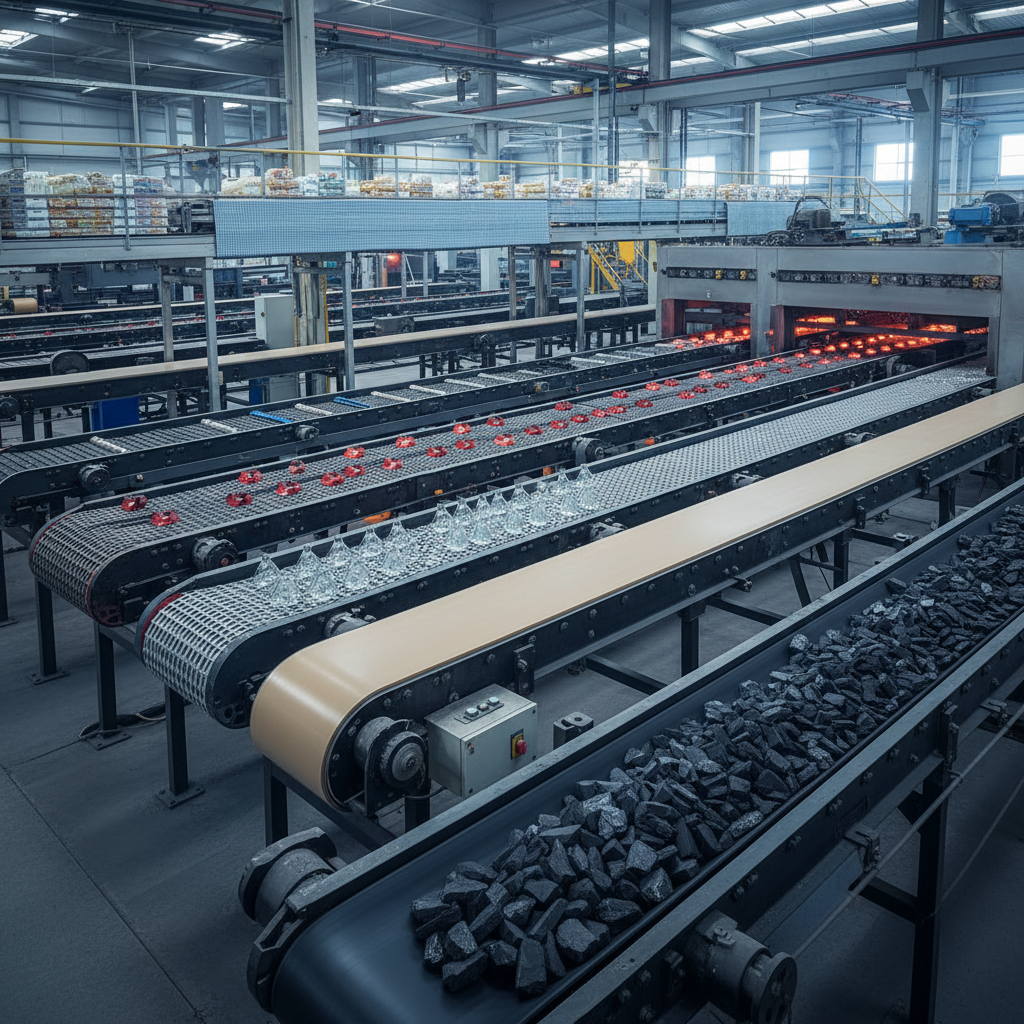
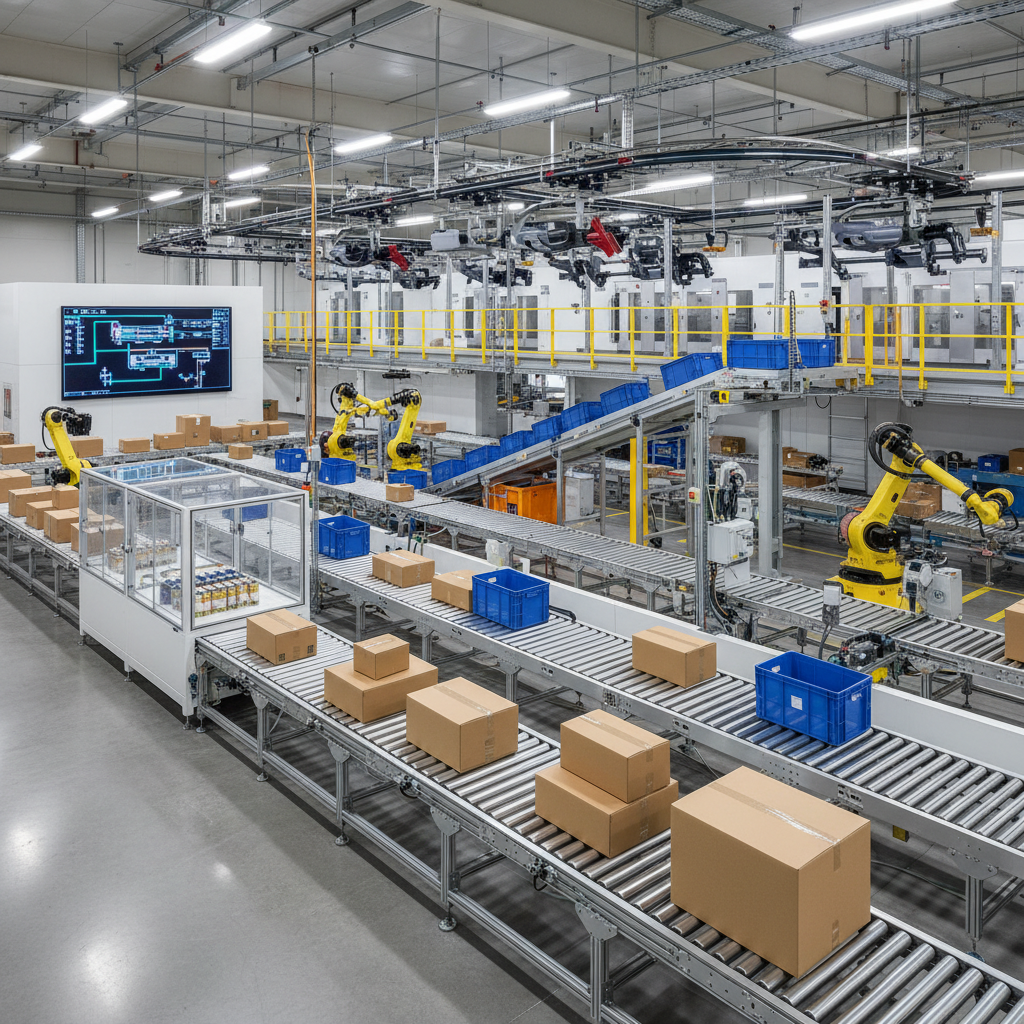
When selecting the right conveyor belt for your business, understanding the various types of materials and their specific applications is crucial. Conveyor belts can be made from rubber, nylon, polyurethane, or metal, each with unique properties suited for different environments. For instance, rubber belts are known for their durability and are often used in heavy-duty applications, while polyurethane belts offer superior resistance to abrasions, making them ideal for handling delicate items.
To ensure you choose the best conveyor belt, consider the following tips: First, assess the materials you will be transporting. If you’re dealing with sharp or heavy components, opt for belts with reinforced layers. Second, think about the operating environment; belts that resist temperature fluctuations will perform better in extreme conditions. Lastly, don't overlook maintenance and installation requirements—selecting a belt that simplifies these processes can save time and reduce costs in the long run. By carefully evaluating these factors, you can enhance your operational efficiency and prolong the life of your conveyor system.
Evaluating Load Capacity & System Efficiency: How to Match Conveyor Belts to Your Business Needs
When selecting the right conveyor belt for your business, a critical aspect to consider is load capacity and system efficiency. With the automated truck loading system market projected to increase significantly, businesses must align their conveyor systems with current and future demands. Evaluating your specific load requirements is paramount, as this will dictate the type and strength of the conveyor belt you need. A belt that can handle the weight and size of your products will ensure smooth operations and prevent potential downtimes.
Additionally, efficiency should be at the forefront of your decision-making process. Look for conveyor belts that optimize throughput while minimizing energy consumption. Investing in technology that allows for faster and safer material handling not only boosts productivity but also contributes to a safer work environment. As the industry progresses towards high-capacity systems that are longer and faster, it’s essential to choose a belt that meets these innovative demands while ensuring quieter operations. Taking these factors into account will help you find a conveyor belt that aligns perfectly with your business needs.
10 Essential Tips for Choosing the Right Conveyor Belt for Your Business
| Tip Number |
Tip |
Considerations |
| 1 |
Evaluate Load Capacity |
Determine the maximum weight that needs to be transported. |
| 2 |
Assess Material Type |
Consider the nature of materials to be moved (e.g., abrasive, sticky). |
| 3 |
Consider Operating Environment |
Account for factors like temperature, humidity, and exposure to chemicals. |
| 4 |
Determine Belt Width |
Choose an appropriate width based on your material size. |
| 5 |
Assess Speed Requirements |
Determine the speed needed for efficient operation. |
| 6 |
Evaluate Conveyor Length |
Measure the distance materials need to be transported. |
| 7 |
Consider Drive Type |
Choose between direct drive, pulley driven, or complementary systems. |
| 8 |
Think About Maintenance Needs |
Select a belt that offers easy maintenance for longevity. |
| 9 |
Evaluate Cost Effectiveness |
Weigh features against budget constraints. |
| 10 |
Consult with Experts |
Get insights and recommendations from industry professionals. |
The Importance of Speed and Length: Calculating Optimal Conveyor Belt Specifications
When selecting the right conveyor belt for your business, understanding the importance of speed and length is paramount. According to a report by the Conveyor Equipment Manufacturers Association (CEMA), the efficiency of a conveyor system can increase by as much as 25% when the optimal speed is accurately calculated and matched to the material being transported. This highlights the significance of determining the correct operating speed based on factors such as load type, weight, and the desired throughput rate.
Moreover, the length of the conveyor belt plays a critical role in production efficiency. Data from the Institute of Packaging Professionals indicates that longer conveyor systems can minimize the risk of bottlenecks and improve overall workflow, especially in large-scale operations. However, it's essential to balance length with power requirements and installation costs, as increasing the conveyor length can lead to higher energy consumption. A meticulous assessment of your specific operational needs and conditions can aid in selecting the ideal conveyor belt specifications, ensuring that your system operates at peak efficiency.
Maintenance Considerations: Key Factors in Prolonging the Life of Your Conveyor System
When selecting a conveyor system,
maintenance considerations
are pivotal to extending its lifespan. Research from the
Conveyor Equipment Manufacturers Association (CEMA)
indicates that proper maintenance can improve conveyor efficiency by up to
20% and significantly reduce operational costs.
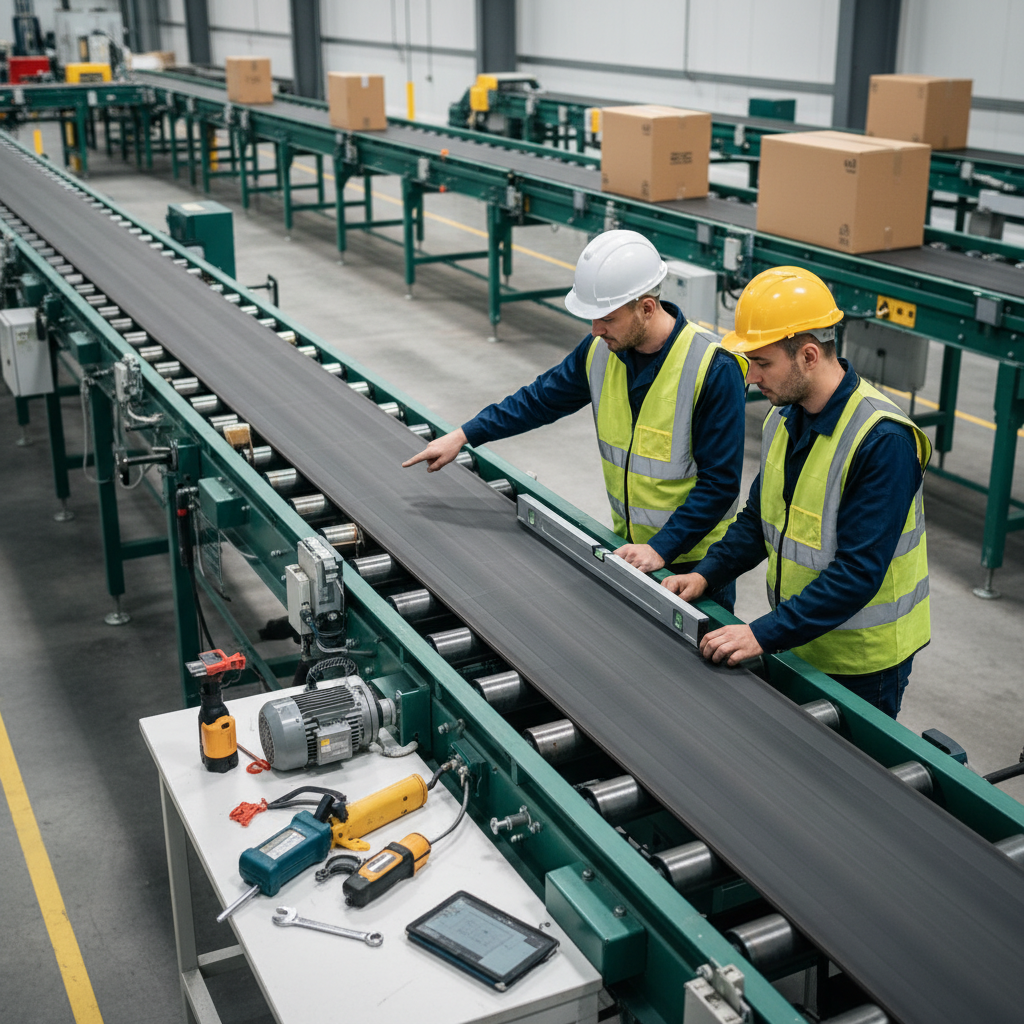
Routine checks, including belt alignment, tension, and wear-level assessments,
are essential practices that can prevent breakdowns and costly downtimes.
Furthermore, lubricating moving parts and inspecting bearings regularly can mitigate friction,
a major contributor to conveyor failure. According to a report by the
National Institute for Occupational Safety and Health (NIOSH),
poorly maintained conveyors lead to nearly 80% of system failures,
underscoring the importance of a proactive maintenance schedule. By investing in comprehensive
training for maintenance personnel and utilizing monitoring technologies, businesses can not only
enhance the reliability of their systems but also ensure safety compliance, thereby supporting a more
efficient operational framework.
Industry Standards & Compliance: Ensuring Your Conveyor Belt Meets Regulatory Requirements
When selecting a conveyor belt for your business, compliance with industry standards is crucial. Regulatory requirements vary by industry and often include safety, environmental, and operational guidelines. Ensuring that your conveyor system aligns with these standards not only protects your workforce but also shields your business from potential legal issues. Familiarizing yourself with the specific regulations applicable to your sector is essential—be it OSHA, ANSI, or ISO standards. Each of these organizations offers guidelines to help you determine the appropriate conveyor belt specifications.
Furthermore, beyond regulatory compliance, consider the certifications associated with your conveyor belt materials and design. Look for certifications like FDA approval for food handling, or fire safety ratings for manufacturing environments. Compliance certification not only indicates that a product meets safety and performance standards but also builds trust with your customers and partners. By prioritizing these compliance requirements, you can ensure that your conveyor belt system will maintain efficient operation while adhering to necessary regulations, ultimately supporting the long-term success of your business.