2026 Top Belt Conveyor Parts Innovations to Watch Out For?
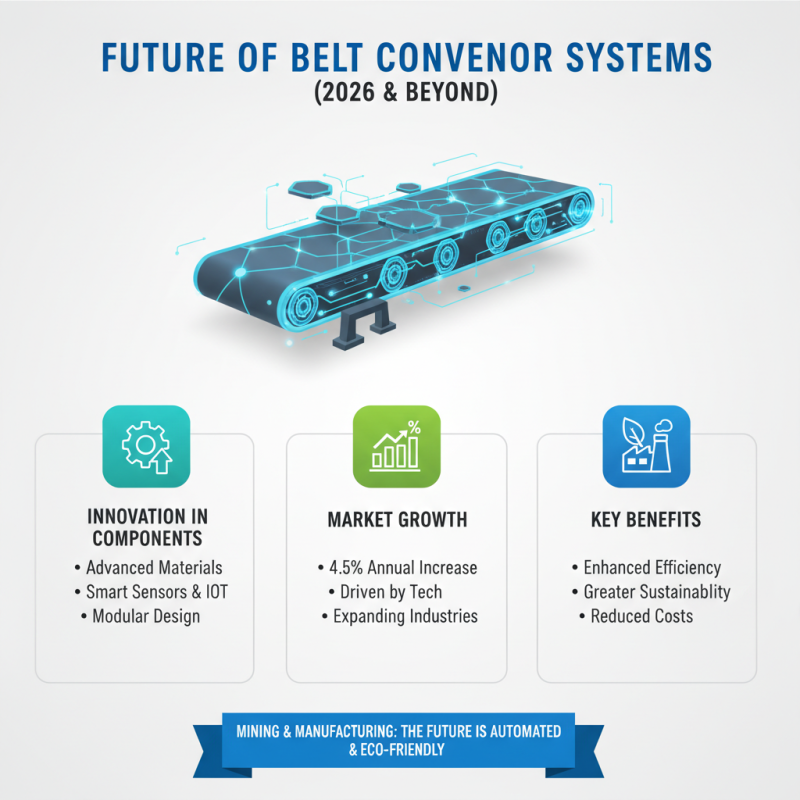
The belt conveyor parts industry is evolving rapidly. According to a recent report by MarketWatch, the global belt conveyor system market is projected to grow at a CAGR of 4.5% by 2026. As automation and efficiency become paramount, innovations in belt conveyor parts are set to transform operations across various sectors.
Experts like Dr. James Carter, a leading analyst in material handling systems, emphasize the significance of these innovations, stating, "The future of logistics relies heavily on advanced belt conveyor parts." New materials and designs are emerging, enhancing durability and performance. Innovations also focus on energy efficiency, a critical factor in today’s sustainability-driven world.
Yet, challenges remain. The integration of advanced technology often requires significant investment. Companies must weigh short-term costs against long-term benefits. Adaptation may be slow, and many firms struggle with outdated parts. The path ahead is promising but demands careful consideration. How organizations approach these innovations will shape their future operations and competitiveness in the belt conveyor parts landscape.
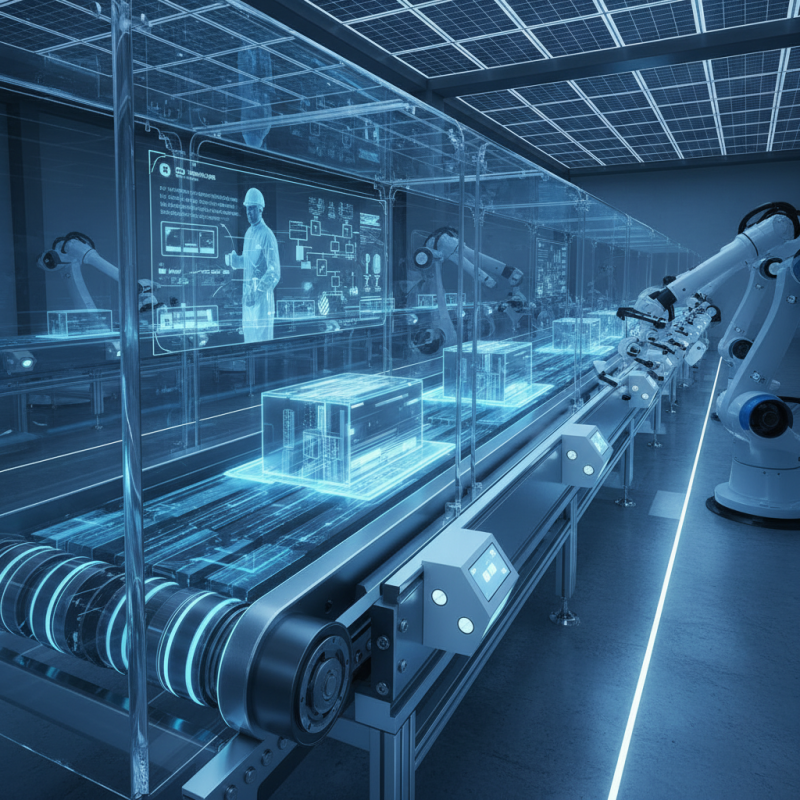
Key Innovations in Belt Conveyor Components for 2026
Belt conveyor systems are essential for industries such as mining and manufacturing. In 2026, we expect significant innovations in their components. Research predicts a growth of 4.5% annually in conveyor market technology. This growth drives the need for enhanced efficiency and sustainability.
One of the key innovations involves the development of smart sensors. These sensors optimize performance by monitoring the condition of the conveyor in real-time. They detect wear and tear, preventing unexpected breakdowns. Studies show that predictive maintenance can save companies up to 30% in operational costs. However, the integration of such technology can pose challenges. Not all companies can adapt quickly to these changes.
Another trend is the use of lighter, more efficient materials. Composite materials can reduce overall weight while increasing durability. This can improve energy efficiency by up to 20%. However, companies must evaluate the lifecycle of these materials. Some may not perform well under extreme conditions. As companies adopt these innovations, they need to reflect on their long-term implications.
Advancements in Belt Material Technology and Durability
The advancements in belt material technology are crucial for enhancing durability in conveyor systems. Recent studies indicate that innovative materials can improve the lifespan of belts by over 30%. High-performance polymers and composite materials are leading this evolution. These new materials resist abrasion and reduce wear and tear significantly.
Durability is not just about longevity; it impacts efficiency too. Research shows that a 15% increase in belt longevity leads to a 10% decrease in maintenance costs. Industries are learning that investing in advanced materials can yield substantial savings. This approach is shifting the focus from mere cost-cutting to performance-driven solutions.
However, challenges remain. The development of these new materials often requires significant initial investment and testing. Some traditional manufacturers are slow to adapt. Their hesitation can be a risk in a rapidly changing market. Innovations may promise high performance, but they also come with uncertainties that need evaluation. Balancing risk and reward is a key concern for many stakeholders in the industry.
2026 Top Belt Conveyor Parts Innovations to Watch Out For
Enhancements in Conveyor Drive Systems and Efficiency
The future of conveyor drive systems is rapidly evolving. In 2026, we will see a significant shift towards energy-efficient technologies. Many systems will harness smart sensors to optimize performance. These sensors can detect load variations and adjust speed accordingly. This enhances overall efficiency and reduces energy consumption.
Automation is another key innovation. Conveyor systems with integrated AI will analyze data in real-time. They will predict maintenance needs, minimizing unexpected downtime. However, the reliance on technology raises questions. Will operators lose touch with manual processes? As the technology becomes more advanced, human oversight may become limited.
Moreover, modular designs are gaining traction. They allow for easy upgrades and repairs. However, implementing modular systems can be complex. Companies must train staff adequately to handle the new designs. Embracing these innovations presents both opportunities and challenges. The conveyor industry is on the brink of a transformation, but is it ready for the change?
Automation Trends Impacting Belt Conveyor Systems
The automation trends shaping belt conveyor systems are significant. These advancements enhance efficiency and reduce human error. Today, sensors and smart technology are commonplace. They monitor conveyor performance in real-time. This data helps prevent breakdowns and optimize workflow.
Integrating AI into conveyor systems is a game changer. AI can predict when maintenance is needed. This shift minimizes downtime and saves costs. However, relying too heavily on technology can be risky. Operators might overlook manual checks and routines. Balancing automation with human oversight is crucial.
Moreover, the user experience is evolving. Operators now seek intuitive interfaces. These interfaces simplify operation even for those less tech-savvy. Nonetheless, some systems may still be complex. Ongoing training is essential to maximize productivity. Embracing these trends may require reflection on existing practices. Are systems truly user-friendly? Continuous improvement is key in this rapidly changing landscape.
Sustainable Practices in Belt Conveyor Part Manufacturing
The manufacturing of belt conveyor parts is evolving. A focus on sustainability is crucial. According to recent reports, nearly 70% of manufacturing companies are adopting eco-friendly practices. This shift is influencing how conveyor components are produced, emphasizing materials that reduce environmental impact.
Recyclable materials are gaining traction in this sector. Many manufacturers are exploring alternatives to traditional plastics. For example, bio-based polymers can cut carbon emissions significantly. However, some companies still hesitate to make these changes. Concerns about cost and performance linger. It’s essential to weigh the long-term benefits against initial investments.
Tips: Consider engaging with suppliers who prioritize sustainability. Their expertise can guide your choices. Additionally, auditing your current practices may reveal areas for improvement. Look for ways to integrate energy-efficient technologies in your operations. Small changes can lead to big impacts over time.