2026 Top Trends in Pet Food Machinery for a Healthier Pet Diet?
The pet food industry is evolving rapidly, driven by changing dietary preferences and health awareness among pet owners. According to a recent report by Grand View Research, the global pet food machinery market is projected to reach USD 4.5 billion by 2027, with a CAGR of 5.5%. This growth highlights the increasing investment in equipment that produces healthier and more nutritious pet food options.
Pet food machinery plays a crucial role in this transformation. Advanced technologies are now enabling the production of customized diets, addressing specific health needs. For instance, extrusion and dehydration processes have innovated how pet food is prepared. However, not all manufacturers utilize these advancements effectively. Some still rely on outdated methods, compromising nutritional quality and safety.
As the industry moves forward, there is a need for reflection. Manufacturers must evaluate their processes and embrace new technologies responsibly. The demand for transparency in ingredient sourcing and production methods is higher than ever. This shift is an opportunity for growth, but it also presents challenges that must be addressed thoughtfully. Balancing efficiency and quality will be key as we look ahead to 2026.
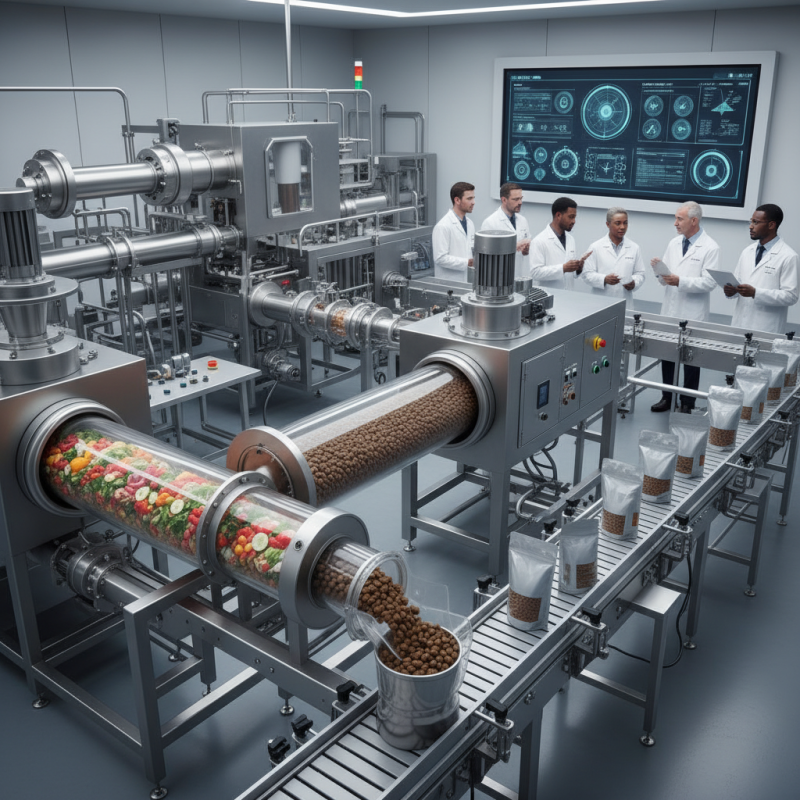
Emerging Technologies in Pet Food Machinery for Enhanced Nutrition
As the pet food industry evolves, new technologies are shaping the future of pet nutrition. According to recent market research, the global pet food machinery market is projected to reach $4.5 billion by 2026. This growth reflects an increasing demand for high-quality pet diets that prioritize health. Advanced techniques like 3D printing and extrusion are becoming commonplace, allowing for customized nutrient profiles tailored to specific dietary needs.
Moreover, emerging technologies such as artificial intelligence and machine learning are playing a pivotal role. These innovations can optimize production processes. For example, AI-driven machinery can analyze ingredient quality in real-time. This ensures that pets receive optimal nutrition. However, implementing such technologies can be costly and may not be accessible for all manufacturers. This raises questions about equity in the market.
Nutrition-focused machinery also emphasizes transparency in ingredient sourcing. Consumers are increasingly concerned about what goes into their pets’ food. Data indicates that over 70% of pet owners prefer brands that showcase ingredient origin. While some manufacturers are rising to meet this demand, many still struggle with complete transparency. This gap presents an ongoing challenge in the industry, calling for more comprehensive solutions to ensure pet health.
2026 Top Trends in Pet Food Machinery for a Healthier Pet Diet
This chart illustrates the projected trends in pet food machinery focusing on enhanced nutrition from 2022 to 2026. The data shows the percentage increase in technology adoption related to nutritional value, safety, and processing efficiency.
Sustainable Ingredients: Shaping the Future of Pet Food Production
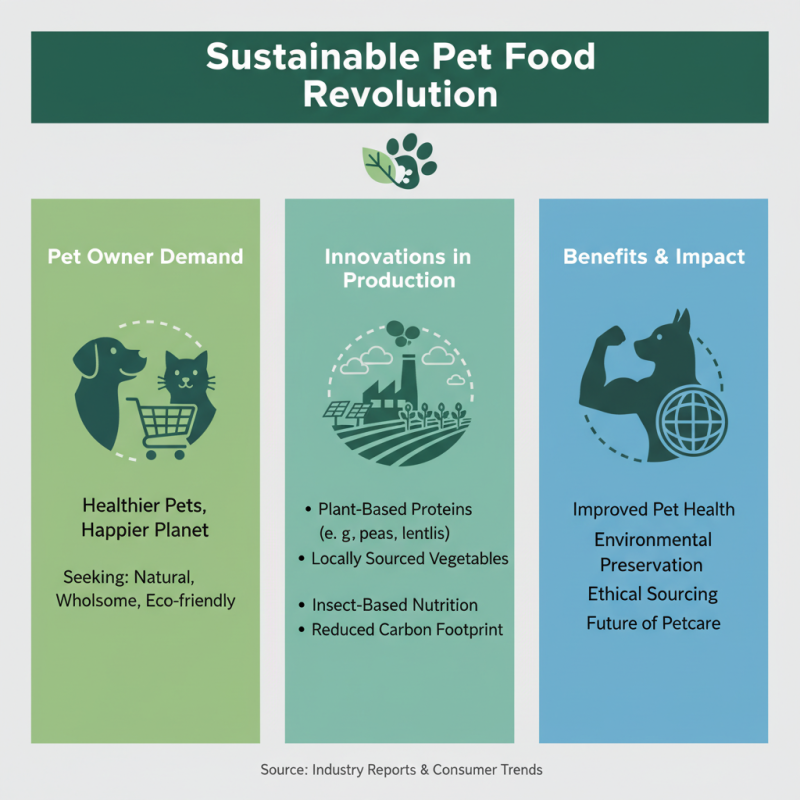
Sustainable ingredients are changing the landscape of pet food production. Pet owners increasingly seek healthier options for their furry friends. This demand has spurred manufacturers to explore eco-friendly practices. Innovations like plant-based proteins and locally sourced vegetables are becoming commonplace. These ingredients not only nourish pets but also promote environmental health.
However, the shift to sustainable ingredients is not without challenges. Some companies struggle to maintain quality while reducing their carbon footprint. Sourcing local may limit ingredient variety, impacting nutrition. Additionally, the cost of sustainable options can be higher. This raises questions about affordability for pet owners. Finding the right balance is crucial for the future of pet food.
Transparency is vital in this evolving industry. Consumers want to know where their pet's food comes from. Clear labeling can build trust but is often overlooked. Companies must do better by educating pet owners on sustainable sourcing. With careful consideration, the future of pet food can indeed be brighter, healthier, and more sustainable.
Customization and Personalization Trends in Pet Diet Solutions
The pet food industry is shifting towards personalized solutions. Customization allows pet owners to tailor diets to specific needs. This could be based on age, breed, or health conditions. Dogs and cats, like humans, have unique dietary requirements. A one-size-fits-all approach is no longer sufficient.
In recent years, we have seen a rise in technology that aids in customization. Some companies now offer algorithms that analyze pet health data. They provide meal recommendations based on this information. However, there remains a gap in educating pet owners about these options. Many still rely on general advice. The challenge is making tailored solutions accessible to all.
While personalization is beneficial, it can come with pitfalls. Not every customized diet is balanced. Some owners may overlook essential nutrients. This could lead to health issues in pets. Thus, there’s a need for ongoing education and communication. Both manufacturers and pet owners must engage in informed discussions. Together, they can ensure that pets receive the best possible nutrition.
Automation and Efficiency Improvements in Pet Food Manufacturing
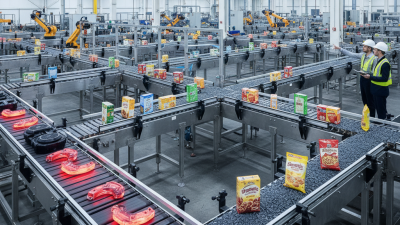
The pet food industry is undergoing significant changes. Automation plays a crucial role in modern manufacturing processes. A recent report highlighted that automation can enhance efficiency by up to 30%. This means faster production times and reduced labor costs, which benefit manufacturers greatly.
Efficiency improvements are not just about speed. New machines can monitor ingredient quality in real time. This ensures that only the best ingredients are used. Quality checks are more frequent, and discrepancies can be addressed promptly. However, implementing such technologies comes with challenges. Not all facilities can afford the initial investments.
Data analytics also plays a key role in optimizing production. Insights from data can help companies forecast trends in pet preferences. A study found that utilizing analytics can increase profit margins by 25%. Yet, reliance on technology sometimes overlooks the human touch in quality assurance. Balancing automation with traditional methods remains a concern for the industry.
2026 Top Trends in Pet Food Machinery for a Healthier Pet Diet
| Trend |
Description |
Impact on Health |
Efficiency Improvement |
| Automated Mixing Technology |
Advanced systems for uniform ingredient mixing to enhance nutrition consistency. |
Improved nutrient absorption leading to better pet health. |
Reduces mixing time by 40%. |
| Smart Packaging Solutions |
Interactive packaging that provides nutrition information and freshness indicators. |
Ensures consumers give pets the best quality food. |
Speeds up the packaging process by integrating technology. |
| Sustainable Ingredient Sourcing |
Focus on locally sourced and environmentally friendly ingredients. |
Promotes long-term health benefits for pets and the environment. |
Streamlines supply chain logistics and reduces waste. |
| Nutritional Customization Software |
Software for customizing pet food diets based on health needs. |
Targets specific health issues like allergies or obesity. |
Enhances production accuracy and reduces errors in formulations. |
| Robotics in Production |
Implementation of robotics for ingredient handling and packaging. |
Minimizes contamination risk, ensuring safer food for pets. |
Increases production speed by 50%. |
Nutritional Innovations: Functional Ingredients for Healthier Pets
The pet food industry is evolving rapidly, focusing on nutritional innovations. According to a recent report by the Association of American Feed Control Officials (AAFCO), 70% of pet owners prioritize nutrition. This shift highlights the growing demand for functional ingredients in pet diets. These ingredients enhance health, improve digestion, and aid in disease prevention.
Natural preservatives, probiotics, and omega-3 fatty acids are gaining traction. Data from a 2023 market analysis shows that pet food containing these components saw a 25% sales increase. Pet owners are becoming more educated about the benefits of these ingredients. They want transparency and quality in their pets' diets, but many brands struggle to keep up with these expectations.
While innovation flourishes, challenges remain. Some ingredients can lead to allergies or intolerances in pets. Manufacturers must balance health benefits and safety. Moreover, not every functional ingredient is regulated consistently. Education is essential to avoid confusion in the marketplace. It’s an ongoing journey for the industry to provide safer, healthier choices for our beloved pets.