2026 Top Trends in Food Manufacturing Machinery for Industry Growth?
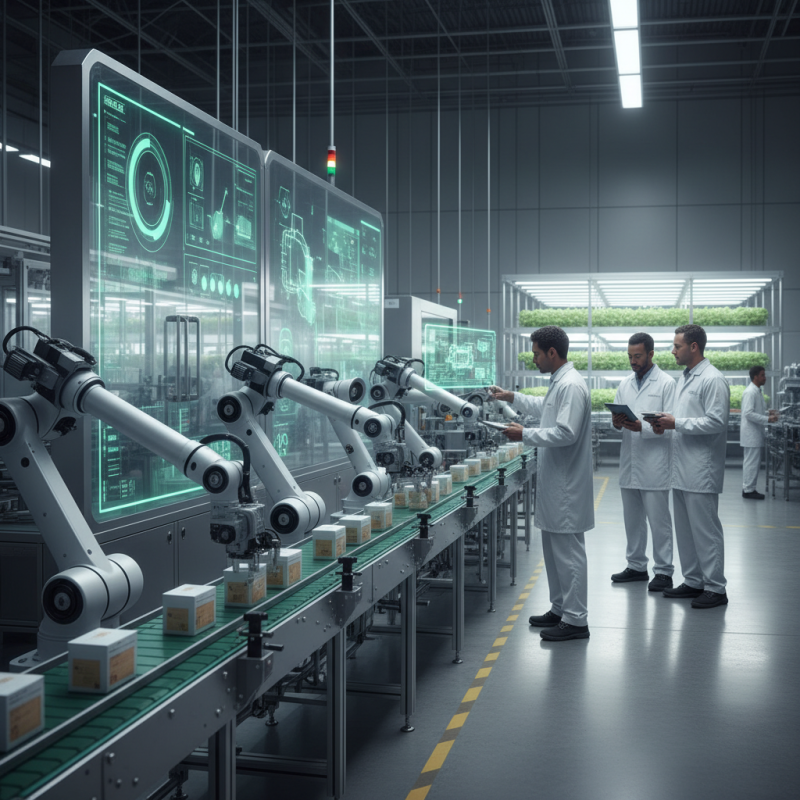
As we look toward 2026, the food manufacturing machinery industry faces exciting challenges and opportunities. Rapid technological advancements are transforming production processes. Innovations in automation and artificial intelligence are reshaping efficiency. These trends drive growth in various sectors.
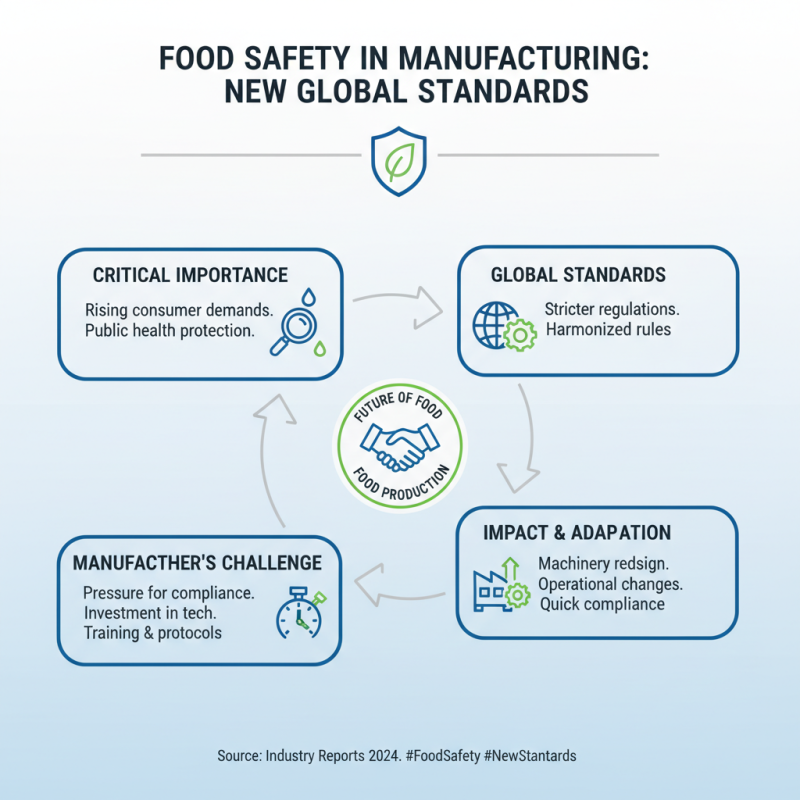
Food manufacturing machinery must adapt to consumer demands. There is a growing need for sustainable practices. Companies are exploring eco-friendly materials and energy-efficient machines. Improvements in food safety and quality are also crucial. Automation can enhance production consistency but may risk job reductions.
Industry leaders must embrace change. They need to invest in training for their workforce. While technology offers many benefits, it brings uncertainties. Balancing innovation with human involvement will be essential for future success in food manufacturing machinery.
Innovative Technologies Reshaping Food Manufacturing Machinery
Innovative technologies are transforming food manufacturing machinery in unprecedented ways. Automation is a leading trend. According to a recent report by MarketsandMarkets, the food automation market is projected to reach $14 billion by 2026. This growth underscores how efficiency is king. However, challenges remain. The integration of advanced robotics can be costly and complex.
Another significant trend is the adoption of AI and machine learning. These technologies enhance quality control and operational efficiency. A study by Grand View Research indicates that AI in food processing could reduce waste by 20%. Yet, many manufacturers struggle to implement these systems effectively. Moreover, the need for skilled workers to manage sophisticated machines is rising.
Sustainability is equally crucial. There is a push towards more eco-friendly machinery. This shift could help reduce the carbon footprint of the food industry. However, the transition to sustainable practices is often slow. Many companies hesitate to invest due to budget concerns. As these trends continue to reshape the industry, both opportunities and challenges will persist.
Sustainability Practices in Food Production Equipment
Sustainability in food production equipment is essential for the industry's future. Manufacturers focus on eco-friendly practices. This shift is not just about efficiency; it’s about responsibility. Many companies now prioritize reducing waste. They implement new technologies that minimize energy use.
Innovative materials are becoming common. For example, biodegradable components are gaining traction. Food manufacturers are also exploring water-saving techniques. These changes can significantly reduce their environmental footprint. However, not all companies are on board. Some still rely on outdated methods, which raises concerns.
Another area of focus is recyclable packaging. The urge to reduce plastic waste drives this trend. Yet, companies face challenges in sourcing sustainable materials. It requires a delicate balance between cost and environmental impact. The journey toward sustainability is ongoing. It calls for continuous improvement and reflection from all players in the industry.
Automation and Robotics: Enhancing Efficiency in Food Manufacturing
Automation and robotics are revolutionizing food manufacturing. The global market for food processing machinery is projected to reach $70 billion by 2026. This growth is driven by increasing demand for efficiency and quality. Automated systems can significantly reduce manual labor, leading to lower operational costs. They enhance precision in production, ensuring consistent quality.
In a recent report, 71% of manufacturers highlighted automation as a key driver for growth. Robots perform tasks like sorting, packing, and even quality inspection with remarkable accuracy. However, the transition to automated systems presents challenges. Many companies face high initial costs and require training for existing staff. Some workers fear job displacement as machines take over routine tasks.
Despite these challenges, the benefits are notable. Automation can reduce waste. For instance, companies report a decrease in food spoilage by up to 15% when using precise robotic systems. The adaptation of these technologies can sometimes be slow, but the potential is clear. As the industry moves forward, embracing innovation while addressing workforce concerns will be crucial. The food manufacturing landscape is evolving, and automation is at its core.
Market Trends Driving Investment in Food Manufacturing Equipment
The food manufacturing sector is on the verge of transformation. Investment in new machinery is surging. Several market trends are driving this financial commitment.
Automation stands out as a leading trend. Efficiency drives demand for machines that perform tasks quickly and accurately. Companies seek to reduce labor costs while maintaining quality.
Sustainability is another key focus. Machines that minimize waste and energy consumption are in high demand. Consumers increasingly prefer products that align with eco-friendly practices. This shift prompts manufacturers to invest in technologies that support green initiatives. However, some struggle to meet these expectations without compromising profit margins.
Moreover, the rise of e-commerce is changing equipment needs. There is a push for machinery that supports quick packaging and shipping. This rapid shift may overwhelm some companies. Adapting to new requirements often comes with challenges. Yet, those who embrace these trends stand to benefit significantly.
The food manufacturing landscape is evolving, and investment is critical for future success.