Top 10 Benefits of Low Temp Condensing Units for Buyers
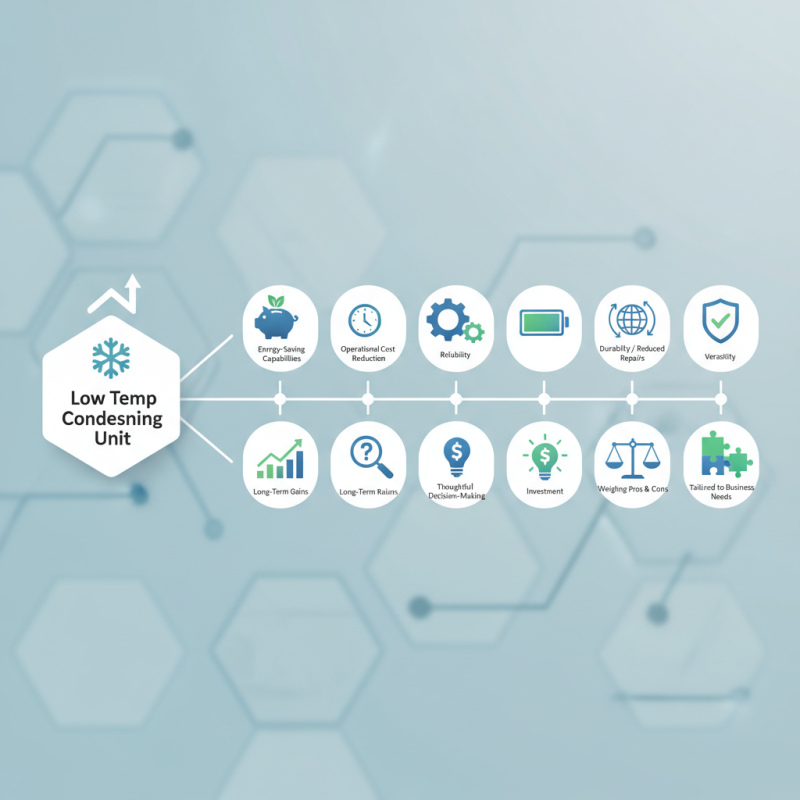
In the world of refrigeration, the importance of Low Temp Condensing Units cannot be overstated. These units offer unique advantages that cater to both efficiency and reliability. Buyers often seek solutions that not only meet their cooling needs but also provide long-term benefits. Low Temp Condensing Units stand out due to their energy-saving capabilities. They are designed to operate in various environments, which enhances their versatility.
The efficiency of a Low Temp Condensing Unit can significantly reduce operational costs. Many businesses have experienced a noticeable drop in energy bills after installation. Additionally, these units are built to last, minimizing the need for frequent repairs. However, buyers should consider their specific requirements to fully harness these benefits. Each application may present unique challenges.
Investing in a Low Temp Condensing Unit requires thoughtful decision-making. The initial cost can be a concern, yet the long-term gains often outweigh this. A well-researched choice ensures optimal performance and satisfaction. It is vital to weigh both pros and cons. Understanding the dynamics of your business needs is crucial.
Understanding Low Temperature Condensing Units
Low temperature condensing units play a crucial role in various industries. They are designed to operate efficiently in cold environments. These units help maintain the required low temperatures for products such as frozen foods and pharmaceuticals. Their design ensures reliable performance, which is essential for product integrity.
Understanding the workings of low temperature condensing units can empower buyers. They focus on energy efficiency and reduced operational costs. Many units are engineered to work with eco-friendly refrigerants. This aligns with current green initiatives. Additionally, their compact design allows for easier installation in tight spaces. However, potential buyers should consider maintenance challenges. Regular upkeep can be an overlooked aspect of ownership.
Furthermore, low temperature condensing units often have a longer lifespan. This longevity can justify higher initial costs. In contrast, it’s essential to research different models to find the right fit. Not every unit suits every application. Incorrect choices may lead to inefficiencies. Overall, comprehending these systems empowers buyers to invest wisely.
Energy Efficiency Advantages of Low Temp Condensing Units
Low-temperature condensing units are gaining traction for their energy efficiency. These units operate effectively in colder conditions, which reduces energy consumption. By utilizing advanced technology, they optimize performance while maintaining low temperatures. Buyers notice significant savings on monthly energy bills, which translates into long-term benefits.
Another striking advantage is their environmental impact. These systems lower greenhouse gas emissions as they require less energy to operate. Hence, they contribute to sustainability goals. Businesses that prioritize eco-friendliness can leverage this benefit to enhance their image. However, the need for regular maintenance persists. Neglecting this aspect can lead to inefficiencies over time, offsetting some energy savings.
Users should consider the initial investment against potential savings. Low-temperature condensing units may have a higher upfront cost. Yet, the reduction in operational expenses could justify this expense in the long run. Evaluating usage patterns and specific business needs is crucial. It's essential to ask whether the investment aligns with future energy goals. Understanding these dynamics helps in making informed choices.
Cost Savings Over Time with Low Temp Systems
Low temperature condensing units have gained traction among buyers due to their cost-saving potential. Research indicates that these systems can reduce energy usage by up to 30%. This statistic reflects significant financial benefits over time. A reduction in energy consumption leads to lower utility bills. Businesses consistently report increased profitability due to these savings.
Operational efficiency plays a crucial role. Low temperature units often require less maintenance compared to standard systems. For example, studies show that maintenance costs can drop by 20% over time. Reliable operations mean fewer disruptions. Cost-effective replacements and less frequent repairs translate into significant savings for users.
Investing in low temperature condensing units may require an upfront cost. However, the long-term savings can greatly outweigh this initial investment. Efficient technology often lasts longer, ensuring extended service life. Buyers can expect returns that justify their initial outlay. Various industry reports suggest that businesses recoup their investment within three to five years. This return can be appealing for any cost-conscious buyer.
Top 10 Benefits of Low Temp Condensing Units
This chart displays the benefits of low-temperature condensing units rated from 1 to 10 based on their significance. As indicated, energy efficiency and being environmentally friendly score the highest, making them a wise investment for buyers looking to save costs over time.
Environmental Benefits of Using Low Temp Condensing Units
Low temperature condensing units are gaining traction for their environmental benefits. According to the U.S. Department of Energy, these units can significantly reduce energy consumption. They operate more efficiently than traditional systems, optimizing energy use during cooling cycles. Studies indicate a potential energy savings of up to 30%.
These units also reduce greenhouse gas emissions. A 2021 report from the International Energy Agency shows that optimizing refrigeration systems can lower CO2 emissions substantially. Switching to low temp units helps companies align with sustainability goals. Reducing emissions not only supports the environment but also enhances corporate responsibility.
Tip: Regular maintenance of your condensing units can improve efficiency. Keeping coils clean and ensuring proper refrigerant levels are key.
Furthermore, low temp condensing units often use eco-friendly refrigerants. Many of these refrigerants have a lower global warming potential. This shift helps combat climate change effectively. However, awareness of proper handling is essential. Not following safety protocols can lead to leaks and potential harm.
Tip: Train staff on the safe handling of refrigerants to minimize environmental risks.
Enhanced Product Quality and Longevity with Low Temperature Solutions
Low-temperature condensing units have transformed various industries by enhancing product quality. Operating at lower temperatures reduces the risk of spoilage. This is crucial for food and pharmaceutical sectors. Freshness and potency are preserved with better refrigeration. Products maintain their intended texture and flavor for consumers.
Additionally, these units contribute to longevity. Equipment that operates at lower temperatures tends to experience less wear and tear. This reliability means fewer breakdowns and reduced maintenance costs. However, potential buyers should be aware of the initial investment. Low-temp solutions may seem expensive upfront, but savings accumulate over time. Maintenance schedules can become less frequent and less costly. It’s essential to evaluate long-term benefits against those short-lived savings.
Yet, not every application suits low-temperature systems perfectly. Each scenario presents unique challenges, requiring careful consideration. Are the energy consumption levels justifiable for your needs? Is the product development cycle compatible with such solutions? Thoughtful reflection can lead to better investment decisions. Understanding these drawbacks ensures informed choices. Ultimately, low-temperature condensing units offer substantial value, yet they demand reflection.