Top 10 Benefits of Using Belt Conveyors in Modern Industries

Belt conveyors are essential in modern industries. They transport materials efficiently, reducing manual labor and time. These systems are versatile and can handle various materials, from raw goods to finished products.

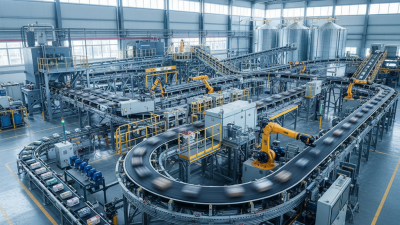
In manufacturing, belt conveyors streamline processes. They ensure smooth movement along production lines. This not only increases efficiency but also minimizes errors and delays. However, it is important to consider maintenance needs. Regular checks prevent breakdowns and extend lifespan.

While belt conveyors have clear advantages, challenges exist. Not all products are compatible with these systems. Some materials may require special handling. Learning from these limitations can lead to improved designs and practices. Embracing the potential of belt conveyors can revolutionize industrial operations, but awareness of their limitations is crucial.
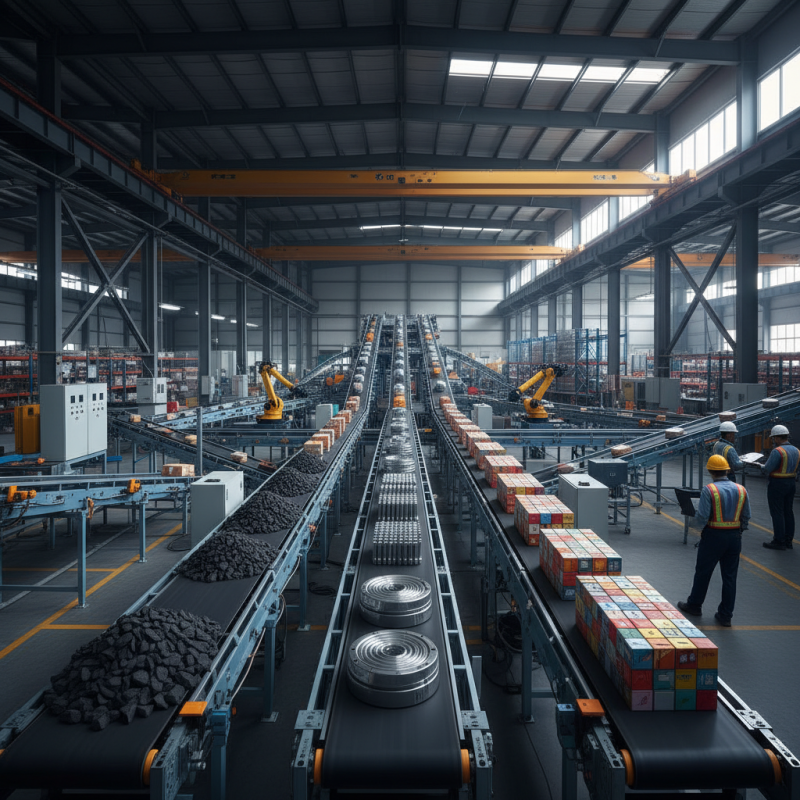
Top 10 Benefits of Using Belt Conveyors in Modern Industries

Advantages of Belt Conveyors in Material Handling Efficiency

Belt conveyors play a crucial role in modern industries. They enhance material handling efficiency significantly. Moving bulk materials becomes seamless with the use of these systems. They reduce manual labor costs and minimize human error. Employees can focus on more complex tasks, increasing overall productivity.

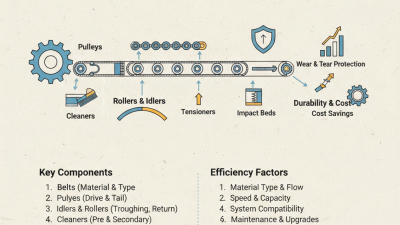
These conveyors come in various designs. They can handle different types of materials. Heavy items are moved as easily as light ones. The adjustable speed feature allows for better control. Unfortunately, maintenance can be challenging. Belts may wear out over time, needing replacements. Regular checks are essential to ensure smooth operations.

In addition to efficiency, safety is a concern. Properly maintained conveyors lower injury risks. However, if neglected, accidents can occur. It's crucial to train employees on safe practices. This includes recognizing potential hazards while operating the conveyors. Effective training can prevent costly mistakes and enhance workplace safety.

Top 10 Benefits of Using Belt Conveyors in Modern Industries

Benefit Description Impact on Efficiency
Increased Productivity Belt conveyors allow for continuous operation, minimizing downtime. Enhances throughput, leading to higher production rates.
Cost Efficiency Lower labor costs due to reduced manual handling. Decreases operational costs over time.
Versatility Can transport various materials, from bulk to packaged goods. Accommodates diverse production needs effectively.
Safety Reduces the risk of injury associated with manual transport. Promotes a safer work environment.
Space Saving Can be designed to fit in confined spaces, optimizing floor layout. Enhances overall facility efficiency.
Automation Integrates easily with automated systems for enhanced operations. Increases speed and accuracy in handling materials.
Environmental Impact Tends to use less energy compared to other conveyor types. Reduces operational carbon footprint.
Maintenance Lower maintenance requirements with modern materials. Ensures higher uptime and lower costs.
Customizability Customizable designs to fit specific industry needs. Improves functionality for niche applications.
Improved Tracking and Control Easy monitoring and control of material flow. Enhances inventory management and reduces waste.

Cost-effectiveness: Reducing Labor and Operational Costs with Conveyors

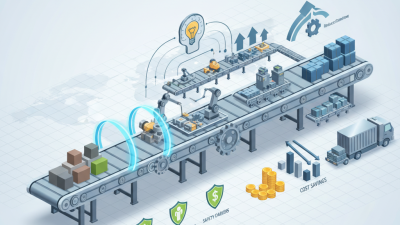
Cost-effectiveness is a critical factor in modern industries. Belt conveyors play a significant role here. By automating the transport of materials, they reduce the need for manual labor. This can lead to significant savings on wages. Fewer workers mean lower operational costs. Additionally, machines often work faster than humans. This efficiency boosts productivity.

Keep in mind that while belt conveyors save costs, initial investments can be high. It's essential to evaluate your company's needs carefully. Consider the volume of materials to be transported. How often will the conveyor be used? You want to ensure that the investment pays off over time.

Tips: Regular maintenance is key. A well-maintained conveyor lasts longer. This reduces unexpected downtime and repair costs. Train employees properly to operate the system. An experienced operator can prevent costly mistakes and improve safety. Lastly, analyze the layout of your facility. An optimized design maximizes efficiency and minimizes wasted space.

Top 10 Benefits of Using Belt Conveyors in Modern Industries

This chart illustrates the top benefits of utilizing belt conveyors in modern industries, showcasing how they contribute to cost reduction, increased efficiency, and overall productivity enhancement. Each benefit is rated on a scale from 0 to 100, indicating its significance in operational processes.

Improved Safety: Minimizing Risks in Industrial Work Environments

In modern industries, safety remains a top priority. Belt conveyors significantly contribute to minimizing risks in industrial environments. According to a study from the National Safety Council, workplace injuries can cost companies over $1 billion annually. Implementing belt conveyors reduces physical strain on workers, as they no longer have to lift heavy items regularly. This decrease in manual handling lessens fatigue and promotes overall well-being.

Effective use of belt conveyors also enhances workplace efficiency. A report from the Occupational Safety and Health Administration (OSHA) reveals that ergonomically designed equipment can lower injury rates by up to 70%. By automating the transportation of materials, these systems help decrease the likelihood of accidents and injuries. When workers feel safer, productivity improves. Workers can focus on their tasks instead of worrying about potential hazards.

Tip: Regularly inspect belt conveyors for wear and tear. Routine maintenance can prevent unexpected shutdowns. Ensure that emergency stop mechanisms work effectively. Workers should receive training on safe operation practices. Always encourage open communication about safety concerns in the workplace. These measures create a proactive culture surrounding safety and efficiency.

Versatility: Applications of Belt Conveyors Across Various Industries

Top 10 Benefits of Using Belt Conveyors in Modern Industries

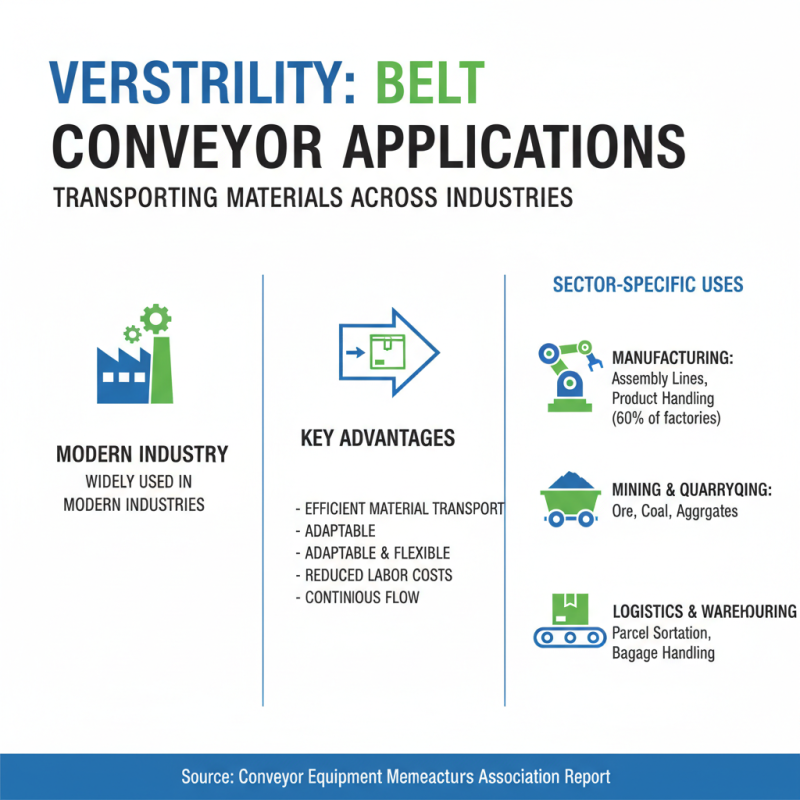
Belt conveyors are widely used in modern industries. Their versatility makes them suitable for various applications. In manufacturing, they transport materials efficiently. According to a recent report by the Conveyor Equipment Manufacturers Association, over 60% of factories use belt conveyors for assembly processes.

In the food industry, belt conveyors help streamline operations. They move products from processing to packaging. This reduces manual handling. The Food and Drug Administration recommends their use due to improved hygiene standards. However, maintaining these systems can be challenging. Regular cleaning is essential to prevent contamination.

The mining sector also benefits from belt conveyors. They transport heavy materials across harsh terrains. A study by the International Journal of Mining and Mineral Engineering noted that conveyor systems can reduce energy costs by up to 30%. Yet, wear and tear can impact efficiency. Monitoring systems are necessary to ensure optimal performance.

Enhanced Productivity: Streamlining Operations with Continuous Transport Systems

In modern industries, belt conveyors play a crucial role in enhancing productivity. These systems allow for continuous material transport, reducing downtime. Workers can focus on other tasks while materials move seamlessly along the conveyor. This constant flow minimizes delays that typically occur with manual handling. The ability to transport large volumes effortlessly is a significant advantage.


However, not all conveyor systems are created equal. Some may struggle with maintaining speed, especially under heavy loads. Regular maintenance is essential to prevent breakdowns. It’s also important to analyze workflow regularly to identify inefficiencies. Certain materials may require special handling, which can complicate operations. Being aware of these challenges is vital for optimizing performance.


Moreover, the layout of conveyor systems influences overall efficiency. A poorly designed layout can lead to bottlenecks. Therefore, it’s crucial to invest time in planning the configuration. Observing how products move through the facility can provide insights for improvement. Adapting to changes in production demands requires flexibility and thoughtful adjustments. Continuous evaluation helps to keep operations running smoothly and effectively.