What are the Benefits of Using Horizontal Screw Conveyors?
Horizontal screw conveyors play a crucial role in various industries, effectively transporting bulk materials. According to industry expert Dr. John Miller, "The efficiency of horizontal screw conveyors is unparalleled when it comes to material handling." This statement underscores the significance of using these systems for optimal performance.
In manufacturing and agriculture, horizontal screw conveyors offer numerous benefits. They provide smooth material flow, reducing the risk of blockages. Their compact design allows for installation in tight spaces, maximizing area usage. Maintenance is simplified, making operational downtime minimal, which is crucial for productivity.
However, while horizontal screw conveyors are efficient, they may not be ideal for all materials. Some substances, such as sticky or abrasive ones, can pose challenges. Users must evaluate their specific requirements before implementation. Balancing benefits and potential downsides is essential for effective material handling solutions.
Benefits of Horizontal Screw Conveyors in Material Handling Applications
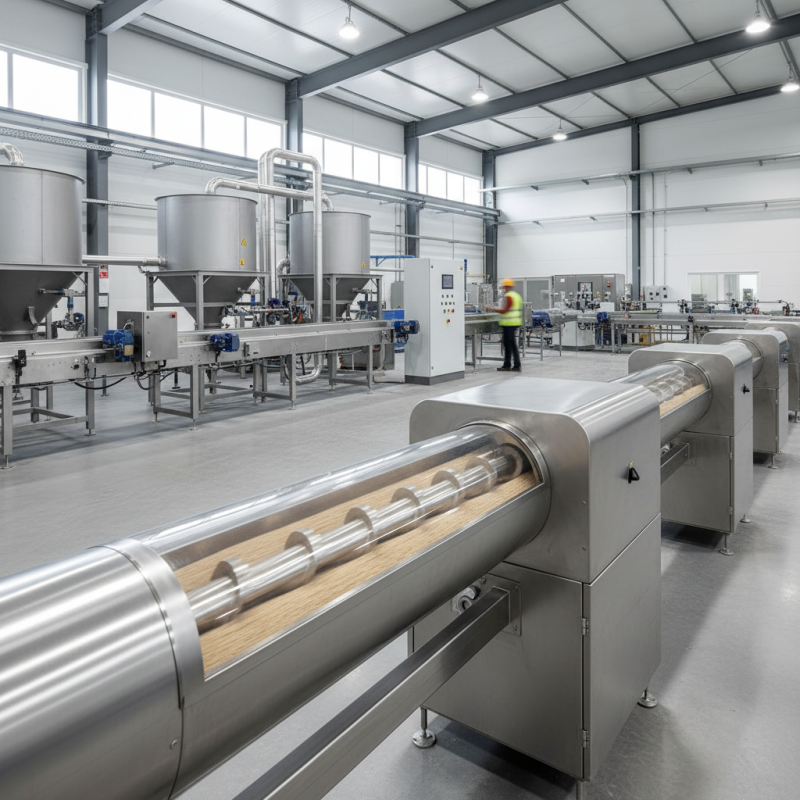
Horizontal screw conveyors are essential in various material handling applications. They are designed to efficiently transport bulk materials in a horizontal orientation. This design allows for space-saving installations in manufacturing and processing environments. Many industries appreciate their simplicity and reliability.
The ability of horizontal screw conveyors to handle a variety of materials is noteworthy. They work well with powders, grains, and granules. Their robust construction means they can endure harsh conditions. Operators often find them easy to maintain. However, consistent monitoring is necessary to prevent wear and tear. Users should take care to ensure that the materials being transported do not cause blockages.
Another benefit is their adaptability to different configurations. Horizontal screw conveyors can be customized based on specific needs. This flexibility allows businesses to optimize their processes. A well-placed screw conveyor can significantly streamline workflow. On the flip side, it is crucial to evaluate the layout carefully. Poorly planned installations can lead to inefficiencies.
Benefits of Using Horizontal Screw Conveyors
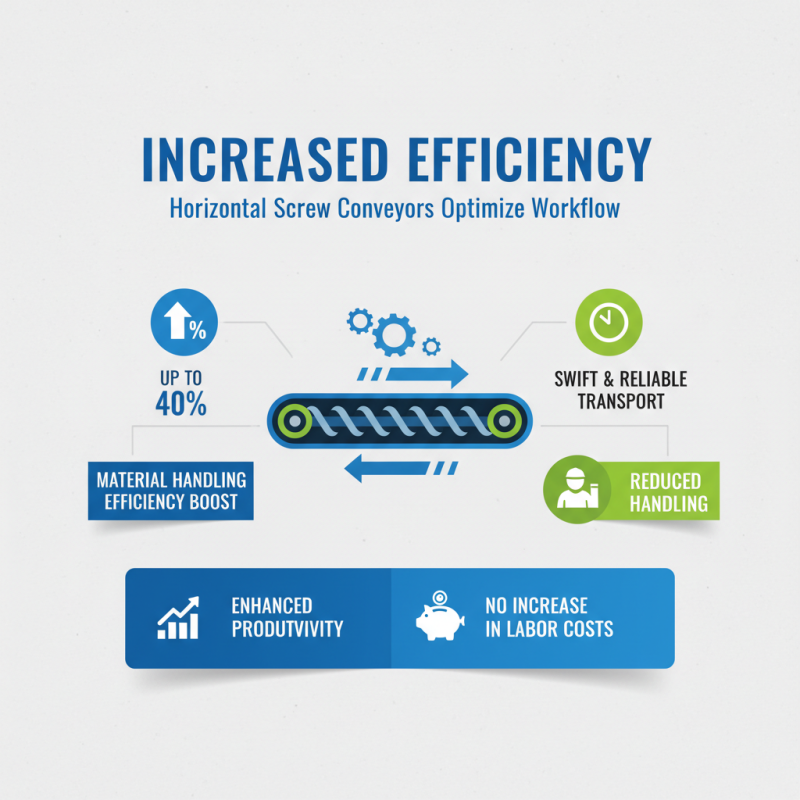
Increased Efficiency: How Horizontal Screw Conveyors Optimize Workflow
Horizontal screw conveyors are transforming workflows across various industries. A recent study indicates that these systems can increase material handling efficiency by up to 40%. This significant boost results from their ability to transport bulk materials swiftly and reliably. By reducing the time spent on manual handling, companies can enhance productivity without increasing labor costs.
Moreover, horizontal screw conveyors are adaptable to different materials and environments. They can handle powders, granules, and even pastes, making them versatile for food, chemical, and construction applications. According to an industry report, installations of these systems have shown a 30% decrease in operational downtime due to their reliable design and ease of maintenance. However, not all systems achieve this optimally, as improper installation or sizing can lead to inefficiencies.
Despite their benefits, some challenges persist. Companies must carefully consider factors like material flow characteristics and moisture content. Miscalculations can result in material clumping or blockages. Continuous assessment of workflow and equipment performance is vital for maximizing the advantages of horizontal screw conveyors. Attention to detail can lead to substantial improvements, but overlooking these factors might hinder overall efficiency.
Energy Savings: The Cost-Effectiveness of Horizontal Screw Conveyors
Horizontal screw conveyors are gaining attention for their energy efficiency. According to recent industry reports, these systems can reduce power consumption by approximately 20-40% compared to traditional material handling methods. This decrease translates into significant cost savings over time, making them attractive for various industries.
Maintenance costs are also lower with horizontal screw conveyors. Their designs minimize wear and tear, which results in extended operational life. A study from the Conveying Equipment Manufacturers Association highlights that proper maintenance can enhance energy efficiency by up to 15%. This is essential for businesses looking to maximize their return on investment while reducing operational costs.
However, companies should assess the specific requirements of their processes. Some applications may necessitate more complex systems. Not all horizontal screw conveyors are equal in performance. Variability in design can affect energy savings. Thorough examination and requirement analysis are crucial before implementation. This ensures optimal system performance and avoids unnecessary expenses.
Benefits of Using Horizontal Screw Conveyors
| Benefit |
Description |
Estimated Savings (%) |
| Energy Efficiency |
Horizontal screw conveyors require less energy compared to other conveyor types, leading to lower operational costs. |
15-25% |
| Reduced Maintenance |
Fewer moving parts reduce wear and tear, resulting in lower maintenance frequency and costs. |
10-20% |
| Space Efficiency |
Horizontal design allows for installation in tighter spaces, minimizing footprint without compromising on throughput. |
N/A |
| Versatility |
Can handle various materials with different properties, offering flexibility in applications. |
N/A |
| Improved Safety |
Lower risk of spillages and accidents due to enclosed design and controlled material flow. |
N/A |
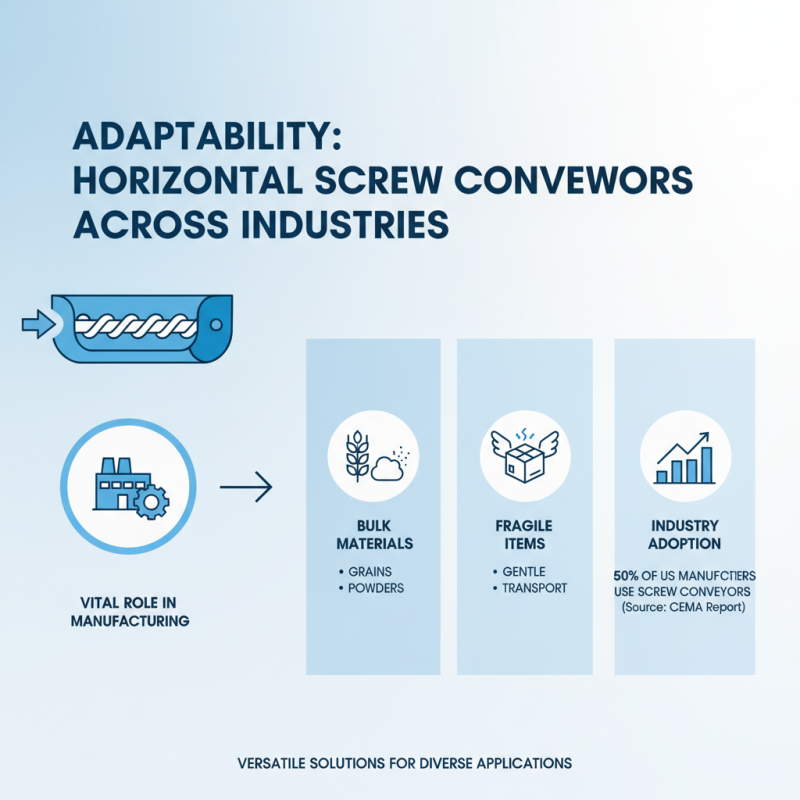
Adaptability: Applications of Horizontal Screw Conveyors Across Industries
Horizontal screw conveyors play a vital role across many industries. Their adaptability makes them suitable for diverse applications. A report from the Conveyor Equipment Manufacturers Association indicates that nearly 50% of U.S. manufacturers utilize screw conveyors in operations. These systems can transport bulk materials like grains, powders, and even fragile items.
In the agriculture sector, horizontal screw conveyors efficiently move grains and fertilizers. They handle different textures and densities with ease. In the food processing industry, safety and hygiene are critical. Screw conveyors ensure a controlled environment. They minimize contamination risks during transportation. A study by the Food Processing Suppliers Association shows that 85% of processors prefer screw conveyors for these reasons.
However, not all applications align perfectly with this equipment. Some operations may experience challenges like clogging. This can lead to downtime and increased maintenance costs. Understanding these risks is crucial. Each industry must evaluate its specific needs before implementation. Overall, the versatility of horizontal screw conveyors is a significant asset, but careful consideration is necessary.
Maintenance Considerations: Longevity and Performance of Screw Conveyors
When it comes to horizontal screw conveyors, maintenance is key for longevity and performance. Regular inspections can identify wear and tear on critical components like the screw, trough, and bearings. These checks help prevent unexpected failures. Without proper maintenance, the risk of costly downtime increases.
Implementing a structured maintenance schedule can extend the lifespan of your conveyor system. Lubrication plays a vital role in reducing friction and wear. If lubrication is overlooked, it can lead to significant issues, like overheating and component failure. Keeping a maintenance log can also help track performance over time, revealing patterns that inform better practices.
Sometimes, users might neglect smaller components, thinking they are less critical. This can be a mistake. Every part has a role in overall performance. A tiny misalignment can create stress. Consequently, addressing minor issues early on can yield major benefits down the line. Regular training can bolster team knowledge, ensuring everyone understands the importance of maintenance routines.