Why Choose a Commercial Meat Grinder for Your Business Needs?
In the competitive landscape of the food service industry, efficiency and quality are paramount. A commercial meat grinder can significantly enhance a business's operations. According to recent industry reports, the meat processing market is projected to grow steadily, reaching a value of $322 billion by 2027. This growth indicates a rising demand for high-quality meat products.
Utilizing a commercial meat grinder allows businesses to produce consistently fresh and customized meat products. This not only meets customer preferences but also enhances overall food safety. Incorporating equipment like a commercial meat grinder can lead to better control over meat quality, reducing reliance on external suppliers.
However, investing in such equipment comes with its challenges. Businesses must balance cost, maintenance, and employee training. Understanding the full benefits is essential, especially when considering the return on investment. A commercial meat grinder is a valuable asset, but it requires thoughtful consideration to maximize its potential.
Benefits of Using a Commercial Meat Grinder for Food Businesses
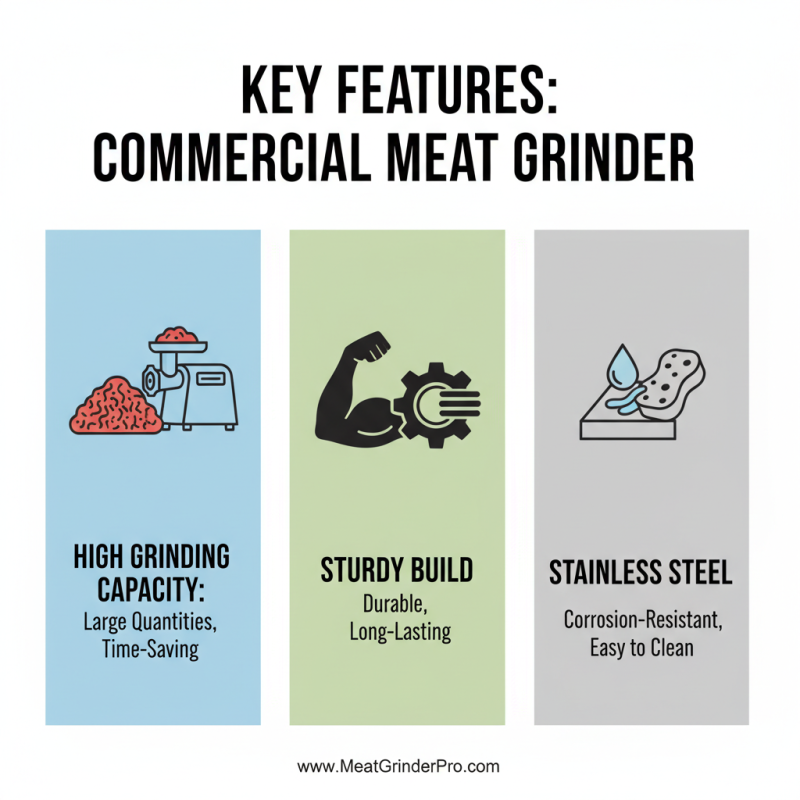
A commercial meat grinder is an essential tool for many food businesses. These grinders can process meat quickly and efficiently, saving time during busy hours. According to the Restaurant Report 2023, 78% of chefs prefer freshly ground meat for its flavor and quality. This preference drives demand, making a commercial grinder a valuable asset.
Using a commercial meat grinder ensures consistency in product quality. Each grind produces uniform meat textures, vital for dishes like burgers or sausages. A study from the Food Industry Journal highlights that inconsistent textures can lead to a 15% decrease in customer satisfaction. Furthermore, businesses often report that investing in efficient equipment pays off within the first year through reduced labor costs and higher sales.
However, quality comes at a cost. A commercial grinder's initial investment can be high. Some owners may find maintenance challenging. Regular cleaning and upkeep are necessary to maintain performance and safety standards. This ongoing commitment may require additional staff training, which some businesses might overlook. Balancing these factors is crucial for maximizing the benefits of a commercial meat grinder.
Why Choose a Commercial Meat Grinder for Your Business Needs?
| Feature |
Description |
Benefits |
| Durability |
Built with high-quality materials for long-lasting use. |
Reduced replacement costs over time. |
| Efficiency |
Processes meat quickly, saving time during busy hours. |
Increases productivity and output. |
| Custom Grind Settings |
Offers various grind sizes for different meat products. |
Provides versatility for menu options. |
| Safety Features |
Includes safeguards to protect operators. |
Enhances workplace safety. |
| Cost-Effectiveness |
Lower costs per pound of meat compared to purchasing pre-ground options. |
Increases overall profit margins. |
Comparison of Commercial Meat Grinders vs. Home Models
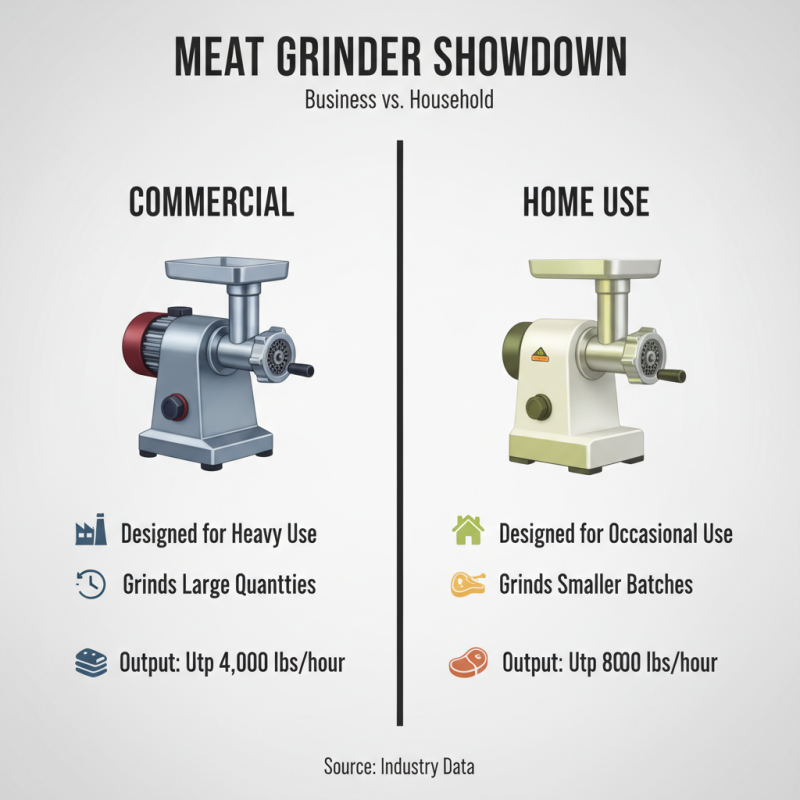
When considering meat grinders for business needs, it's essential to understand the distinctions between commercial and home models. Commercial meat grinders are designed for heavy use, capable of grinding large quantities of meat quickly and efficiently. According to industry data, a commercial model can produce up to 4,000 pounds of meat per hour, far surpassing home versions that typically max out at 800 pounds.
While home grinders may suffice for small kitchens, they often lack the durability needed for high-volume production. Commercial units incorporate stronger motors and robust blades, reducing the risk of malfunction. The average lifespan of a commercial grinder is also significantly longer, averaging ten years compared to three for home models. Inconsistent grinding can lead to inconsistent product quality, a critical aspect in the food industry.
Tip: When choosing a commercial grinder, evaluate the motor strength. A higher horsepower rating generally means better performance.
Another important aspect is safety. Commercial grinders must adhere to strict safety and health regulations, which contribute to overall product reliability. Home models may skip certain safety features for convenience. Users should be aware that neglecting safety can lead to serious accidents in high-paced environments.
Tip: Always review safety features before making a purchase. They can make all the difference in a bustling commercial kitchen.
Maintenance Tips for Maximizing Your Meat Grinder's Lifespan
Maintaining a commercial meat grinder is essential for its longevity and efficiency. Regular cleaning is one of the most critical aspects. After each use, disassemble the grinder and wash all removable parts. Hot, soapy water is effective for sanitizing. Pay special attention to the blades and plates, as residue can build up quickly. A thorough cleaning prevents contamination and keeps the grinder in optimal condition.
Lubrication is often overlooked. Properly lubricate moving parts after cleaning. This reduces friction and wear over time. Check the manufacturer’s recommendations for specific types of lubricants. Regular inspection of components is also necessary. Look for signs of wear and tear, and replace parts as needed to avoid malfunction.
Sometimes, issues arise without clear reasons. Users may forget to check connections or overlook unusual sounds during operation. These signs shouldn’t be ignored. A small problem today could lead to a costly repair tomorrow. Being proactive can save money and reduce downtime, ultimately benefiting the business.
How to Choose the Right Size and Power for Your Business Needs
Selecting the right size and power for a commercial meat grinder is crucial for business success. A machine that is too small may struggle with heavy workloads. It could lead to inefficient processing, longer wait times, and unsatisfied customers. On the other hand, an oversized grinder can be costly and consume more energy than necessary. Balancing these factors is essential to maximize productivity.
Power is another key consideration. Grinders generally range from 1/2 horsepower for small operations to 3 horsepower for larger needs. More power offers higher speed and efficiency but can be overkill for some businesses. It is vital to analyze your daily meat volume to determine the appropriate power level. Reflecting on your specific needs can guide your choice.
Don't overlook features like grinding speed and ease of cleaning. A grinder with too many components can complicate maintenance. Regular upkeep is vital for reliability. Assessing your workflow and potential challenges can inform better decisions. Choosing wisely ensures a smooth operation and enhances your product offerings.
Why Choose a Commercial Meat Grinder for Your Business Needs?
This chart illustrates key specifications of commercial meat grinders tailored for business needs, showcasing power, capacity, weight, and price. These factors are essential for deciding on the right equipment for your meat processing operations.