How to Create an Effective Belt Conveyor Design for Your Business?
Belt conveyor design is crucial for optimizing productivity in various industries. According to a report from Research and Markets, the global belt conveyor market is expected to reach $7.37 billion by 2025. This highlights the importance of effective design. A well-designed belt conveyor can reduce operational costs and improve efficiency.
However, many businesses overlook critical design elements. For instance, proper material selection can significantly affect the conveyor’s lifespan. Many companies fail to conduct thorough needs assessments before investing in a system. This can lead to mismatches between the conveyor's capabilities and the business's demands.
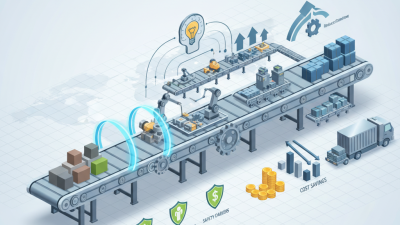
Incorporating automation into belt conveyor design can enhance operational flow. A study by the International Journal of Advanced Manufacturing Technology showed that automation could increase throughput by 25%. Yet, there are challenges. Not all systems are suitable for automation, and improper implementation can result in downtime. Reflecting on these aspects can guide businesses in creating effective belt conveyor systems.
Understanding the Basics of Belt Conveyor Systems and Their Applications
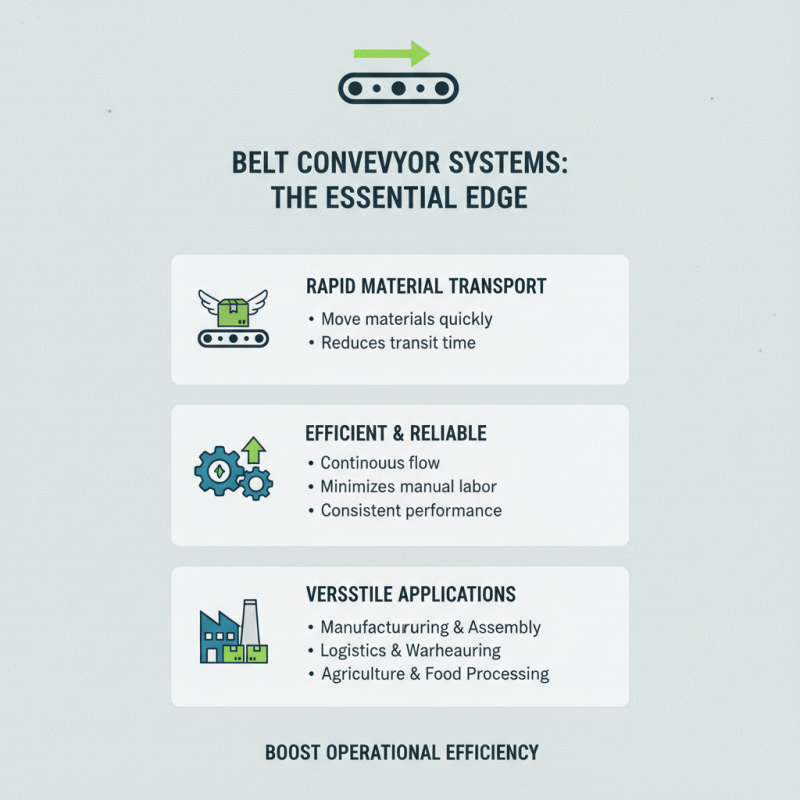
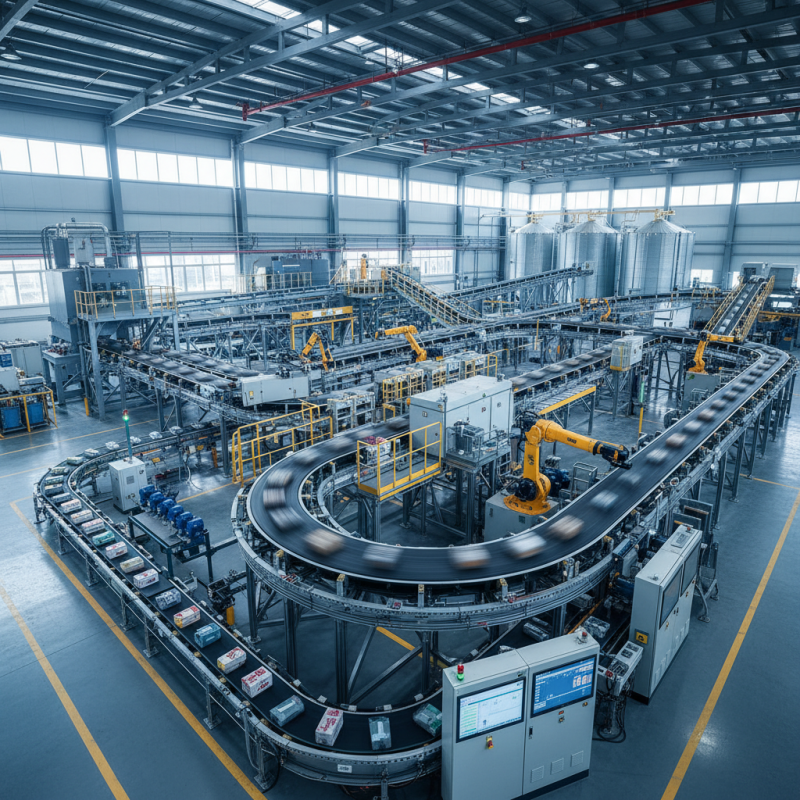
Belt conveyor systems are essential in various industries. These systems transport materials rapidly and efficiently. Understanding their applications can greatly enhance operational efficiency.
Many facilities use belt conveyors for moving bulk materials. According to industry research, about 70% of bulk materials are transported using this method. Common applications include mining, food processing, and logistics. The versatility of belt conveyors makes them suitable for different environments, from heavy-duty operations to more delicate tasks.
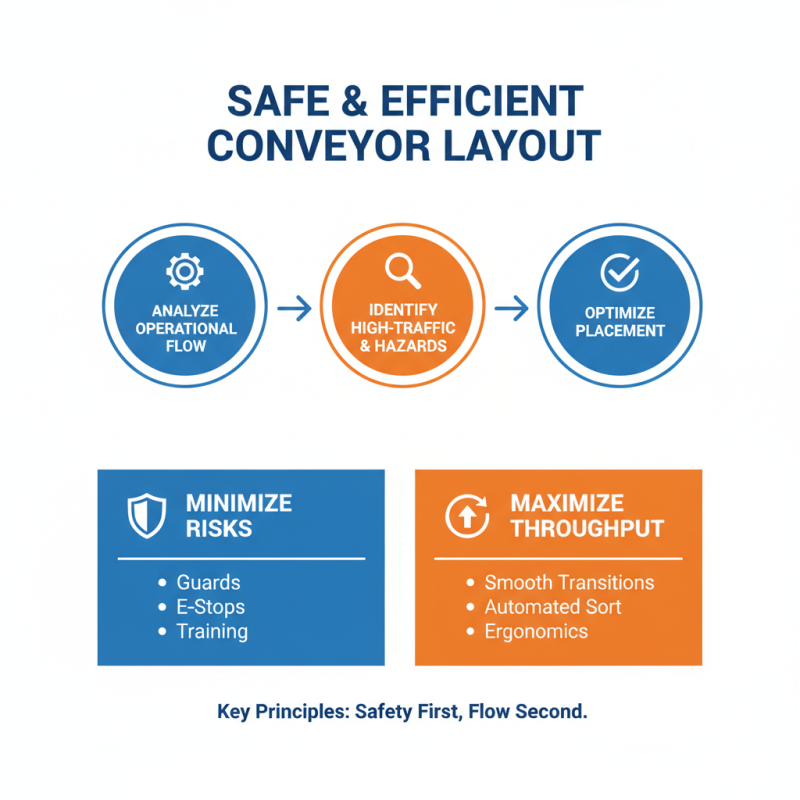
When designing a belt conveyor system, consider its specific application. The load type and distance can affect the design significantly. Tip: Analyze workflow patterns before installation. This step can prevent inefficiencies. Also, be mindful of wear and tear on conveyor belts. Regular maintenance helps sustain performance but can sometimes be overlooked.
Conducting a cost-benefit analysis can clarify if a conveyor system suits your needs. Look for hidden costs, like energy consumption or downtime. Building a more effective design means knowing these details well. Tip: Investing time in planning pays off later. Each component matters in achieving optimal performance.
Key Factors to Consider in Belt Conveyor Design and Engineering
When designing a belt conveyor system, several key factors come into play. Understanding material characteristics is crucial. According to a report by the Conveyor Equipment Manufacturers Association, nearly 70% of conveyor failures can be traced back to improper material selection. The weight, size, and abrasiveness of materials can significantly impact performance. Choosing a belt that can handle specific materials is essential for efficiency and durability.
Another important aspect is the conveyor layout. A well-thought-out design minimizes transport time and maximizes productivity. Research shows that an effective conveyor layout can increase throughput by up to 30%. However, many businesses overlook potential space constraints and operational bottlenecks. Evaluating the flow of materials through the system is often neglected but critical. Simple adjustments in alignment can lead to significant improvements.
Finally, maintenance considerations cannot be ignored. Reports indicate that regular maintenance can extend the life of a conveyor system by 50%. Many companies underestimate the importance of a maintenance plan. Realizing that damage could occur due to neglected wear and tear is vital. Building in access for inspections can help avoid costly downtime. A thoughtful design anticipates these challenges rather than reacting to them.
Selecting the Right Materials for Optimal Conveyor Performance
Selecting the right materials for belt conveyors is crucial.
Reports indicate that the material selection impacts efficiency and longevity.
For example, using high-quality rubber in the belt can enhance durability by up to 30%.
However, frequently overlooked, the quality of the rollers affects overall performance.
The project’s environment matters too. In harsher settings, one may need reinforced materials.
A study shows that steel wire belts offer better resistance against temperature fluctuations.
But, they are heavier and may increase energy consumption. Balancing weight and performance isn’t easy.
Consider maintenance requirements when choosing materials. Some options require more frequent inspections, increasing costs.
A report from industry experts suggests that plastic modular belts can save time due to less wear.
However, they may have a shorter lifespan in heavy-duty applications. Each choice comes with trade-offs.
It's simple yet complex at the same time.
Testing and Maintenance Strategies for Long-term Conveyor Reliability
Testing and maintenance strategies are crucial for the long-term reliability of belt conveyors. They directly affect productivity and operational costs. Regular inspections identify potential issues before they escalate. It’s vital to check for wear and tear on belts and components. These inspections can be simple visual checks or detailed assessments.
Scheduled maintenance is not just about fixing problems. It’s an opportunity to enhance performance. Cleaning the conveyor system regularly helps prevent debris build-up, which can disrupt operations. Utilizing vibration analysis and thermal imaging can pinpoint trouble spots. It’s also important to keep detailed records of maintenance activities. This helps track performance trends over time.
Occasionally, even the best strategies lead to unexpected failures. Reflection on maintenance practices is essential. Are all team members trained properly? Are maintenance tasks adequately scheduled? Sometimes, it’s easy to overlook minor issues, which can lead to significant downtime later. Learning from these oversight moments can guide future improvements.
Conveyor System Maintenance and Testing Overview
This bar chart illustrates the estimated hours spent on various maintenance and testing activities for conveyor systems. Regular inspections and maintenance are crucial for ensuring long-term reliability and efficiency of conveyor operations.