What is Freeze Dried Fruits and How Are They Made?
Freeze Dried Fruits offer a delightful way to enjoy fruits year-round. These treats retain the essence of fresh fruits, capturing their flavor and nutrients. But what exactly are they? The process involves removing water from fresh fruits, resulting in lightweight, crispy snacks.
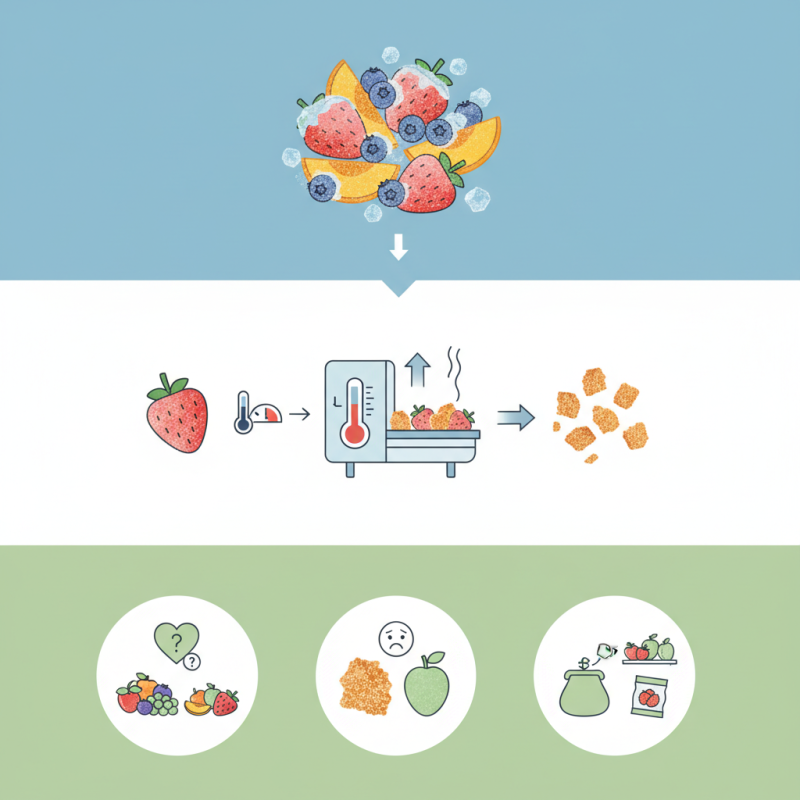
To create Freeze Dried Fruits, manufacturers use advanced technology. They freeze the fruit and then lower the pressure to allow ice to sublime. This means the ice turns directly into vapor, leaving the fruit intact. The end product is remarkably different from traditional dried fruits. It enhances flavors while avoiding preservatives and added sugars.
Despite their many benefits, Freeze Dried Fruits raise questions. Are they as healthy as fresh fruits? Some worry about the texture and taste. Others may find them too expensive compared to fresh options. It’s essential to consider these factors when choosing snacks. Exploring the world of Freeze Dried Fruits presents both excitement and challenges.
What Are Freeze Dried Fruits?
Freeze-dried fruits are a delicious and convenient option for enjoying your favorite fruits any time of year. These fruits retain most of their nutrients and flavors, making them an excellent choice for snacking. The process of freeze-drying removes moisture. It often retains the vibrant colors of the fruits, which can be visually appealing. However, not every fruit freezes perfectly. Some may lose texture or taste.
The method itself involves freezing the fruit at very low temperatures. Once frozen, the moisture is gradually removed through a vacuum process. This preserves the shape and taste of the fruit. Yet, it’s not without flaws. Sometimes, the process can create a slight crunchiness, which may not be to everyone’s liking. Flavor can also be intensified, leading to an overly sweet experience for some tastes.
Despite these quirks, freeze-dried fruits are versatile. They can be added to smoothies, cereals, or baked goods. Eating them straight from the package is also enjoyable. Experimenting with different types of freeze-dried fruits can unveil unique flavors. However, how these fruits blend in recipes may vary. Not every combination will be a winner, so trial and error is essential.
The Freeze Drying Process Explained
Freeze-drying is an innovative food preservation method. It removes moisture while maintaining flavor and nutrients. The process involves freezing the fruit and reducing the surrounding pressure. This causes ice to sublimate, turning directly into vapor.
During this process, approximately 98% of the moisture is removed. According to a report by the USDA, this technique can extend shelf life from 1 year to over 25 years. This has led to an increased interest in freeze-dried fruits, especially in the snack industry. Consumers enjoy these fruits because they retain their original shape and color.
However, not all fruits are equally suitable for freeze-drying. Some may not rehydrate well. For example, avocados can become mushy without proper treatment. Clever packaging is essential to protect against moisture re-entry. The market for freeze-dried foods has grown significantly, valued at over $1 billion in recent years. Yet, challenges remain in maintaining quality and texture after processing.
What is Freeze Dried Fruits and How Are They Made? - The Freeze Drying Process Explained
| Fruit Type | Nutritional Value (per 100g) | Freeze Drying Time | Shelf Life |
| Strawberries | 32 kcal, 7.7g carbs, 0.7g protein | 24 hours | 25 years |
| Bananas | 89 kcal, 22.8g carbs, 1.1g protein | 36 hours | 25 years |
| Apples | 52 kcal, 14g carbs, 0.3g protein | 30 hours | 20 years |
| Mangoes | 60 kcal, 15g carbs, 0.8g protein | 48 hours | 20 years |
| Pineapples | 50 kcal, 13g carbs, 0.5g protein | 40 hours | 20 years |
Benefits of Consuming Freeze Dried Fruits
Freeze dried fruits offer a convenient and tasty way to enjoy fruits year-round. These fruits retain their nutrients and flavors, making them a healthy snack choice. They are lightweight and perfect for hiking or traveling. When fruits are freeze-dried, moisture is removed while preserving their structure. This process enhances the sweetness and taste without adding sugar.
One major benefit is their long shelf life. Freeze dried fruits can last for years without refrigeration. They can easily be rehydrated for use in recipes. Adding them to cereals, smoothies, or baked goods boosts flavor along with nutrition. These fruits also contain essential vitamins and antioxidants. It's an easy way to incorporate healthy snacks into daily routines.
Tips: Always check the ingredient list. Some freeze dried fruits may have added sugars or preservatives. Try using freeze dried fruits in homemade trail mixes for a nutritious boost. When cooking, consider adding them to oatmeal for extra texture and taste. Enjoy the crunch on their own or mix them with yogurt as a quick snack.
Nutrition Comparison of Fresh vs Freeze Dried Fruits
Common Types of Freeze Dried Fruits
Freeze-dried fruits are becoming increasingly popular due to their lightweight and nutritious qualities. They retain most of the vitamins and minerals compared to their fresh counterparts. Common types of freeze-dried fruits include strawberries, apples, bananas, and blueberries. Each fruit offers distinct flavors and advantages. For instance, freeze-dried strawberries are a favorite in smoothies and baking.
According to industry reports, the freeze-dried fruit market is expected to grow at a compound annual growth rate (CAGR) of 8.4% between 2021 and 2026. This growth is driven by the rising demand for healthier snack options. Freeze-dried blueberries are notable for their high antioxidant content, making them a perfect addition to a health-conscious diet. Their vibrant flavor enhances various dishes.
Tip: When incorporating freeze-dried fruits into your meals, try rehydrating them in water for a few minutes. This can enhance their texture and flavor. However, be cautious with amounts; too much can lead to a mushy consistency. Another tip is to store them in airtight containers to prolong shelf life.
Practical Uses for Freeze Dried Fruits in Everyday Life
Freeze dried fruits offer unique advantages for everyday use. These fruits retain most of their nutrients while having a much longer shelf life. According to the USDA, freeze-dried items can last up to 25 years if stored properly. This longevity makes them a practical food choice for families, campers, and emergency preparedness kits.
Incorporating freeze dried fruits into daily meals can enhance nutrition without added preservatives. They can serve as a quick snack, topping for yogurt, or even an ingredient in baked goods. A recent market report indicated that nearly 40% of consumers prefer freeze dried options for their convenience and taste. They are lightweight and easy to transport.
However, some may find the texture less appealing compared to fresh fruits. While the benefits are clear, not everyone enjoys freeze dried fruits. Some flavors may be too concentrated, leading to an overwhelming taste. This can be a turnoff for children or picky eaters. Additionally, they may lack the juiciness of fresh varieties, prompting some to reconsider their choices. The appeal is subjective; experimenting with different uses can make a difference.