What is a Stainless Conveyor Belt and How is it Used?
In the world of food processing and manufacturing, the stainless conveyor belt plays a crucial role. Renowned expert Dr. Emily Hart, a mechanical engineer with over 20 years of experience, states, “A stainless conveyor belt enhances hygiene and durability in production lines.” This statement underscores the importance of selecting the right materials for conveyor systems.
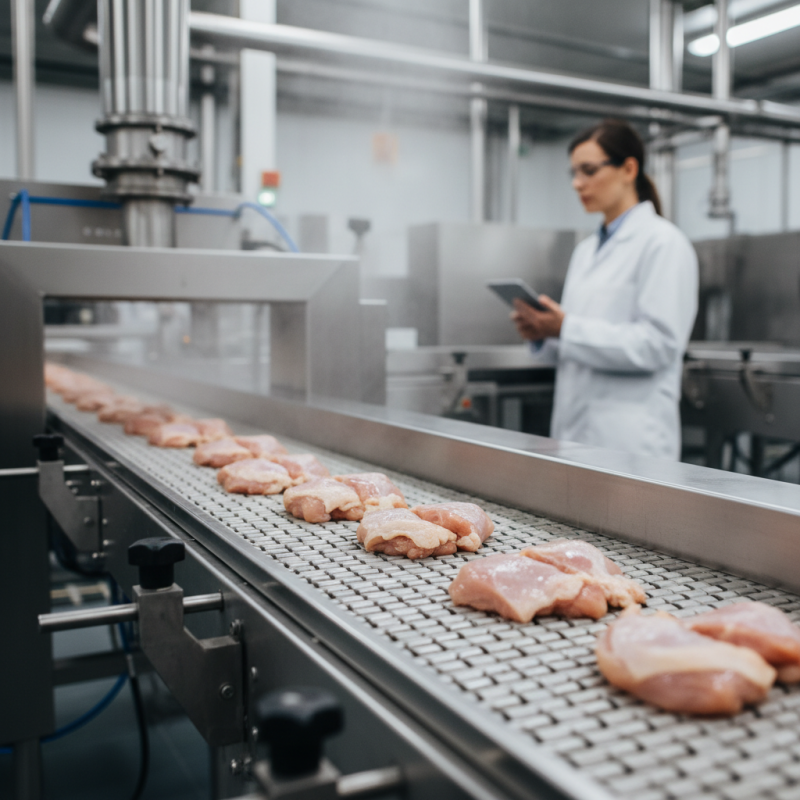
Stainless conveyor belts are designed to handle various products, especially in food industries. Their resistance to rust and corrosion makes them an ideal choice for environments that require strict sanitary conditions. For instance, in meat processing plants, these belts minimize contamination risks, ensuring food safety.
Choosing a stainless conveyor belt can seem straightforward, yet it demands careful consideration. Factors like belt design, width, and load capacity are critical. While they offer significant benefits, improperly selected belts can lead to inefficiencies. Therefore, attention to detail is essential in the decision-making process. Ensuring the right belt fits your specific application will optimize performance and extend the operational lifespan.
What is a Stainless Conveyor Belt: Definition and Composition
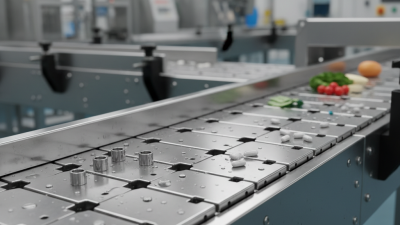
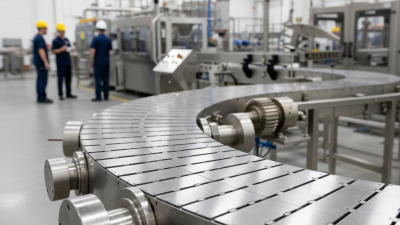
A stainless conveyor belt is a specialized material handling system. It is primarily composed of stainless steel, known for its strength and corrosion resistance. This composition provides durability and longevity in various industrial applications.
These conveyor belts are commonly used in food processing, pharmaceuticals, and manufacturing. They can withstand high temperatures and resist rust, making them ideal for hygienic environments. The smooth surface of stainless steel allows for easy cleaning, promoting safety in food production. However, the initial cost can be higher compared to other materials. Maintenance can also be a concern as wear and tear may occur over time.
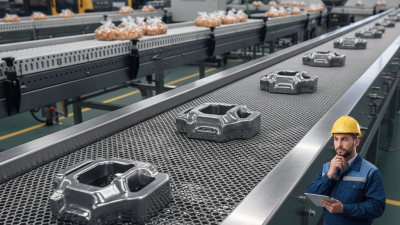
In terms of design, stainless conveyor belts come in various configurations. Some have open mesh designs for improved airflow. Others are solid surfaces suitable for carrying delicate items. Considering these factors can help businesses choose the right belt for their needs. While stainless conveyor belts offer many advantages, their effectiveness largely depends on proper installation and maintenance.
Key Features of Stainless Conveyor Belts and Their Advantages
Stainless conveyor belts are integral in various industries, notably food and beverage, pharmaceuticals, and manufacturing. These belts are known for their durability and resistance to corrosion. According to a report from the Conveyor Equipment Manufacturers Association (CEMA), nearly 35% of industries prefer stainless belts for their hygienic properties. This makes them ideal for transporting sensitive materials safely.
One notable feature is their adaptability to different environments. Stainless conveyor belts can operate effectively in extreme temperatures. They withstand both heat and cold without loss of integrity. Additionally, their smooth surface minimizes product damage during transport. Data from research journals indicate that these belts can extend operational life by 20-30% compared to non-stainless options. However, the initial investment is higher, which requires careful consideration from buyers.
Efficiency and safety are also significant advantages. Stainless belts require less lubrication, enhancing productivity. Furthermore, they meet stringent health and safety regulations, particularly in the food sector. While there are concerns about maintenance costs due to wear and tear, ensuring regular inspections can mitigate unforeseen issues. This balance of costs and benefits is crucial in decision-making.
What is a Stainless Conveyor Belt and How is it Used? - Key Features of Stainless Conveyor Belts and Their Advantages
| Feature |
Description |
Advantages |
| Material Composition |
Made from stainless steel, providing excellent corrosion resistance. |
Durability and longevity in harsh environments. |
| Temperature Resistance |
Can withstand extreme temperatures. |
Suitable for a variety of industrial applications. |
| Customization |
Available in various sizes, shapes, and designs. |
Meets specific operational needs and space constraints. |
| Non-Stick Surface |
Special coatings that prevent material from sticking. |
Enhances product flow and minimizes downtime. |
| Hygienic Design |
Easy to clean and maintain. |
Ideal for food processing, pharmaceuticals, and cleanrooms. |
Common Applications of Stainless Conveyor Belts in Various Industries
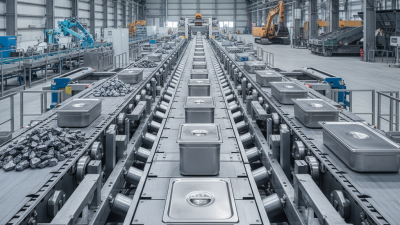
Stainless conveyor belts play a crucial role in many industries. They are known for their durability and resistance to corrosion. Common applications include food processing, packaging, and manufacturing.
In food processing, stainless conveyor belts help transport products safely. They withstand high temperatures and harsh cleaning processes, ensuring hygiene and safety. In packaging, these belts allow for efficient movement of products. They adapt well to different shapes and sizes.
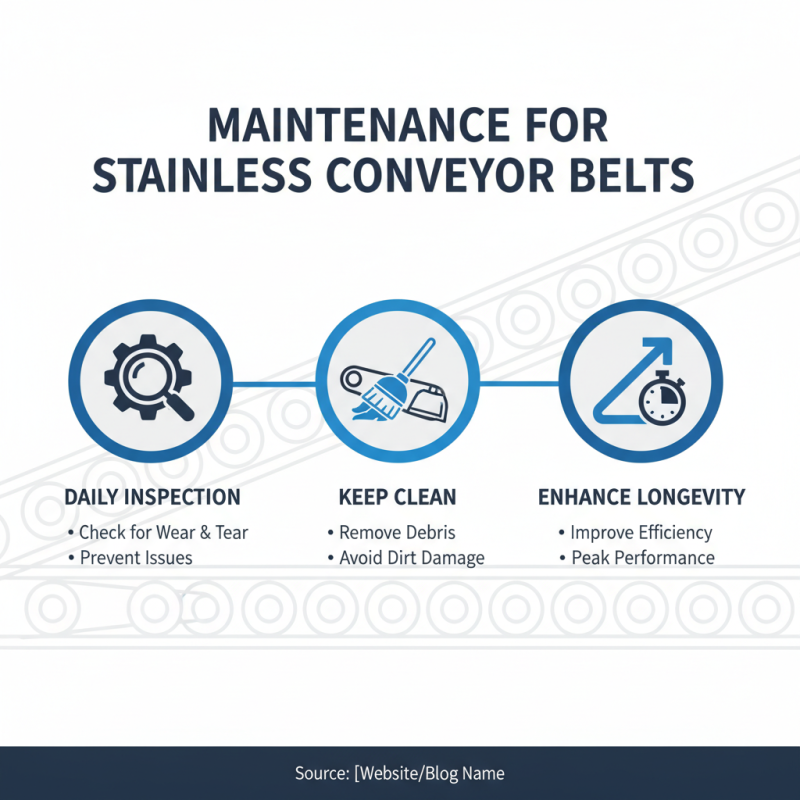
Tips: Always check the compatibility of the belt with the materials being conveyed. Regular maintenance is key to prolong the lifespan of the conveyor belt.
In manufacturing, stainless conveyor belts are used for assembly lines. Their strength supports heavy loads. Yet, the risk of wear and tear exists. It's vital to monitor the belts for signs of damage.
Tips: Consider the environment where the conveyor will be used. Environmental factors affect belt performance. A thoughtful approach can prevent costly downtimes.
Industry Trends: Innovations and Technological Advances in Conveyor Belt Design
In recent years, the conveyor belt industry has seen significant innovations. The shift towards automation drives demand for advanced materials and designs. Stainless conveyor belts are becoming increasingly popular, especially in food processing and pharmaceuticals. According to industry reports, the global conveyor belt market is projected to grow at a CAGR of 4.5% from 2022 to 2030. This growth reflects the need for efficiency and reliability.
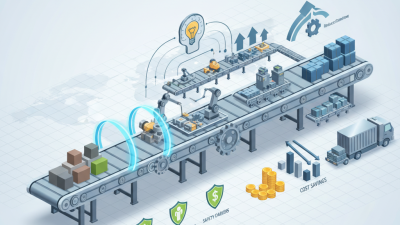
Technological advances focus on improving durability and ease of maintenance. New coatings and surface treatments enhance corrosion resistance. These developments help extend the lifespan of conveyor belts, reducing replacement costs. Furthermore, integration with smart technology leads to more efficient operations. Real-time monitoring systems can track performance and detect issues early. Adopting such technologies can save time and resources.
Tips: Regular maintenance is crucial. Inspect belts weekly to prevent costly downtime. Additionally, consider investing in training for staff on proper handling. Understanding conveyor belt systems can lead to smarter upgrades and better long-term performance. Remember, even small changes can significantly impact overall efficiency. Embrace innovation and be open to exploring new materials and designs.