
7 Tips for Choosing Stainless Steel Conveyors?
Choosing stainless steel conveyors is a practical decision, not merely a material preference. The right system must move products safely, clean efficiently, and remain reliable under daily production pressure. A polished frame may look impressive, but appearance alone proves very little.
In food, beverage, pharmaceutical, and chemical facilities, small details can create major problems. Water may collect beneath a support. Product residue may hide around a rough weld. A poorly sealed bearing can fail after repeated washdowns. These conditions increase maintenance time and may affect product hygiene. Experienced buyers examine the conveyor’s design, finish, load capacity, belt style, and cleaning requirements together.
This guide presents seven practical tips for evaluating stainless steel conveyors. It considers grade selection, hygienic construction, operating environment, and supplier support. It also addresses details that catalogs often simplify, including corrosion exposure, temperature changes, noise, and future expansion. Reliable manufacturers should provide clear specifications, testing information, and maintenance guidance. Independent reviews from operators can add useful perspective.
No conveyor choice is perfect. A highly polished surface may still have weak access points. A lower purchase price may create higher service costs later. Even experienced teams can overlook a minor clearance issue. Careful questioning helps expose those risks before installation. The following tips are designed to support informed comparisons, realistic budgeting, and dependable long-term performance.
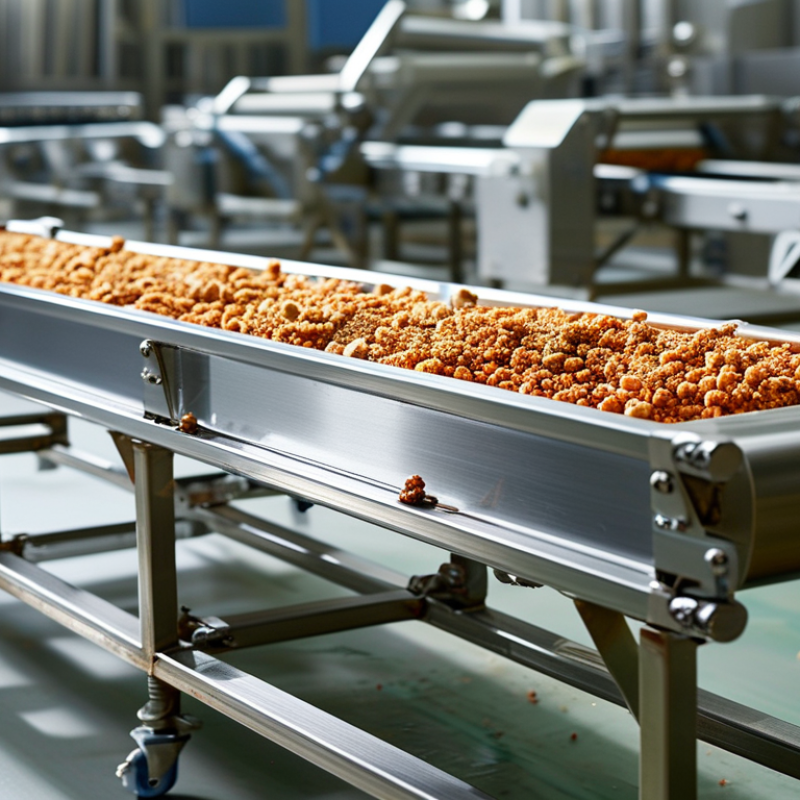
Identify Material Handling Needs and Operating Conditions
Choosing a stainless steel conveyor starts with the material, not the frame. Define product weight, dimensions, shape, and surface condition. A damp vegetable tray behaves differently from a sealed carton. Record peak loads, not just average loads. Peaks matter.
Map the operating environment carefully. Will operators spray the conveyor daily? Does the process involve salt, acids, oils, or cleaning chemicals? Specify washdown pressure, water temperature, and drainage requirements. A polished surface may look hygienic, yet poorly designed joints can trap residue. Keep it simple. Check belt speed, incline, transfer gaps, and available floor space. I have seen conveyors fail because the discharge height was measured incorrectly. That mistake delayed an entire production line.
Temperature also changes the decision. Frozen goods, hot containers, and fluctuating rooms can affect belts, bearings, seals, and frame stability. Ask for documented material grades, weld quality, load ratings, and maintenance access. Stainless steel alone does not guarantee corrosion resistance. The wrong fastener can become the weakest point. Include guards, emergency stops, and safe cleaning access during the design review. Operators should not reach beneath a moving belt to remove debris. That should be obvious, but it is often missed.
Measure noise and ergonomics where people work for long shifts. Review expected operating hours, sanitation frequency, and replacement-part availability. Leave room for inspection. A compact design can become difficult to service. Recheck every assumption against real production conditions before approving the conveyor.
Related Posts
-
Top 10 Stainless Steel Conveyors What Buyers Need to Know
-
How to Choose the Best Stainless Conveyor Belt for Your Needs?
-
What is a Stainless Conveyor Belt and How is it Used?
-
How to Choose the Right Dog Food Manufacturing Equipment for Your Business
-
2026 Best Industrial Food Grinder Machine for Your Kitchen Needs?
-
What are the Benefits of Using Horizontal Screw Conveyors?