Top 10 Tips for Choosing a Wafer Roll Machine?
Choosing the right Wafer Roll Machine is crucial for any business aiming to produce delicious wafers efficiently. With so many options available, it can be overwhelming to find the perfect one. Consider the machine's capacity, versatility, and ease of use. A good machine should not only meet your production needs but also provide high-quality output.
The features of a Wafer Roll Machine are important. Think about the types of wafers you want to create. Some machines handle various thicknesses and flavors, while others are more specialized. Reflect on your specific requirements before making a decision. Also, the durability and maintenance of the machine matter. A reliable machine saves time and reduces costs in the long run.
Investing in a Wafer Roll Machine is more than just a financial decision. It can impact your business's reputation and customer satisfaction. Keep in mind that a machine's technology will evolve. Staying updated may require extra training and adjustments. Balancing quality, price, and innovation is vital, yet challenging. Ultimately, make a choice that aligns with your vision and goals.
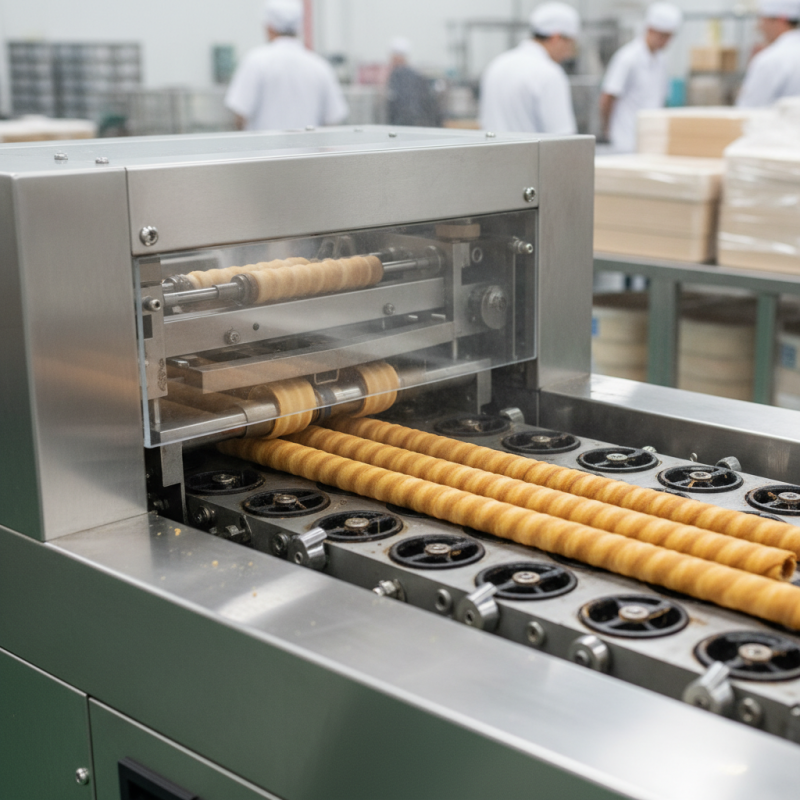
Understanding Wafer Roll Machines and Their Importance
Wafer roll machines play a crucial role in the snack food industry. They are essential for creating delicious, crispy wafer rolls that appeal to consumers worldwide. Recent market analyses show that the global wafer market is projected to grow by approximately 5.5% annually until 2025. This growth highlights the increasing demand for high-quality confectionery products.
Choosing the right wafer roll machine is vital for maintaining production efficiency. Many factors come into play, such as the machine's capacity and technology level. Advanced machines can produce up to 10,000 rolls per hour, significantly increasing output. However, efficiency shouldn’t be solely about speed. The quality of the rolls must also be consistent. Poor machine choices can lead to inconsistent texture and taste, affecting customer satisfaction.
Another consideration is the machine's maintenance needs. Some machines require frequent adjustments, which can lead to downtime. Reports suggest that over 30% of production costs are linked to equipment inefficiencies. It's essential to select machines with reliable performance and easy maintenance. This can help reduce operational headaches and improve product quality over time. Balancing these factors can be challenging but is necessary for a thriving business.
Key Features to Look for in Wafer Roll Machines
When selecting a wafer roll machine, focus on key features that enhance efficiency and product quality. Temperature control is vital. Machines with adjustable temperature settings allow for better customization of the wafer texture. A precise heating element ensures even cooking. Inconsistent heat can lead to undercooked or burnt rolls, impacting quality.
Consider the machine's production capacity. You need to know your output requirements. A machine that meets your volume needs without compromising quality is essential. Compact models may save space but could limit production. The size of the machine matters, especially for small business settings.
Look for easy maintenance options. Machines with accessible components simplify cleaning and servicing. Rust-resistant materials also contribute to longevity. It's important to think about the long-term costs. A cheaper initial investment might lead to higher maintenance costs later. Always assess the features against your specific operational needs. This evaluation helps avoid mistakes and ensures the right choice.
Evaluating Production Capacity and Speed Requirements
When selecting a wafer roll machine, evaluating production capacity and speed is crucial. A machine’s output should match your production goals. If you need high-output capacity, prioritize machines that can produce a significant number of rolls per hour. However, overestimating your needs can lead to wasted resources.
Consider how fast the machine operates. Some may promise high speeds but lack consistency. It’s essential to balance speed and quality. A fast machine that produces flawed rolls is counterproductive. You might also face challenges in maintenance.
Therefore, rapid production shouldn’t compromise the integrity of the wafers. When reviewing machine specifications, focus on real-world performance. User reviews often shed light on operational efficiency. Hours spent troubleshooting can negate the benefits of choosing a speedy model.
Test the equipment with your specific ingredients and recipes to ensure compatibility. Often, machines have quirks that might surprise novice operators.
Assessing Quality and Material Durability of Machines
When choosing a wafer roll machine, assessing quality and material durability is crucial. Many machines may look fancy but could hide flaws. Pay close attention to the materials used in the construction. Are they rust-resistant? Durable steel often lasts longer than cheaper alternatives.
Consider the machine's components. A well-built roller should handle high temperatures without warping. Look for adjustable settings. They allow for better control over the wafer thickness. This ensures consistency in your product. A machine that lacks flexibility might lead to waste.
Finally, do not ignore customer reviews. They often reveal long-term performance issues. Seek feedback on durability and maintenance. Machines may need regular upkeep. If parts are hard to replace, that could become a major problem. Choose wisely and reflect on these factors before making a decision.
Budget Considerations and Long-Term Investment Value
When choosing a wafer roll machine, budget considerations can be tricky. Initially, lower-priced machines may seem appealing. However, they might lack durability and efficiency. Spending less can lead to increased maintenance costs over time. This cycle can strain your finances, limiting your long-term investment potential.
Quality machinery often comes at a higher price. But it can enhance production speed and consistency. Consider the materials used in construction. Cheaper machines may use low-quality materials that wear down quickly. This means more frequent replacements, which add to costs over time. A solid investment may require a higher upfront payment, but it pays off in the long run.
Reflect on your production needs. Sometimes, an expensive machine might not be the right choice if your output is low. Aim for balance. Assess features that align with your business goals. Research is key; don’t rush into a decision. A thoughtful approach ensures that your wafer roll machine serves your needs effectively, becoming a valuable asset.