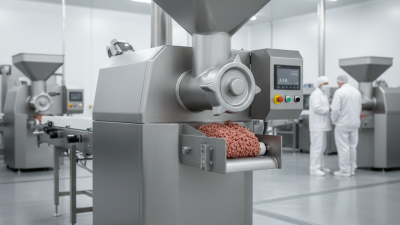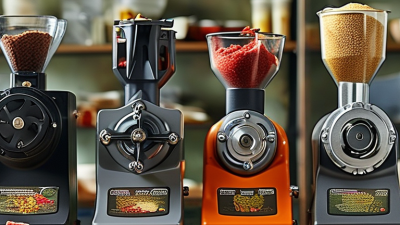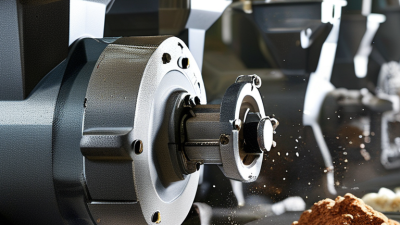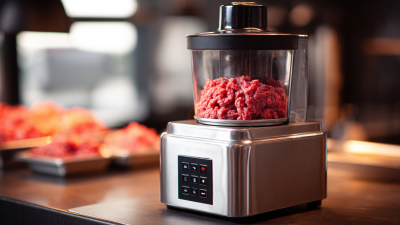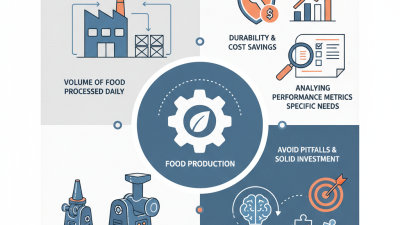
Choosing the right industrial food grinder machine can shape production speed, product consistency, labor use, and cleaning routines. Buyers often focus on motor power first. That is understandable, but it can lead to expensive mistakes. Capacity, feed size, cutting design, moisture tolerance, and sanitation access deserve equal attention.
This guide examines ten common grinder types used in meat, vegetables, grains, spices, and prepared foods. Each machine serves a different production condition. A plate grinder may suit minced meat, while a hammer mill can handle dry ingredients more aggressively. Colloid grinders create smooth mixtures, but they may not fit every texture requirement. Details matter.
The comparison considers throughput, operating temperature, maintenance demands, safety features, and practical installation needs. It also explains where each grinder performs well and where limitations may appear. For example, a compact unit may save floor space but require more frequent feeding. A high-capacity system may reduce labor while increasing energy use and cleaning time.
Reliable purchasing decisions should combine supplier documentation with real production trials. Ask for food-contact material specifications, motor data, replacement-part availability, and clear cleaning instructions. Certifications can support confidence, but they do not replace verification of your own process. Not every machine fits.
Actual ingredients may behave differently from test samples. Fat content, fiber, moisture, and particle size can change results quickly. Buyers should record these variables before comparing quotations. The best choice is not always the most powerful model. It is the machine that delivers safe, repeatable output within the facility’s real operating limits.
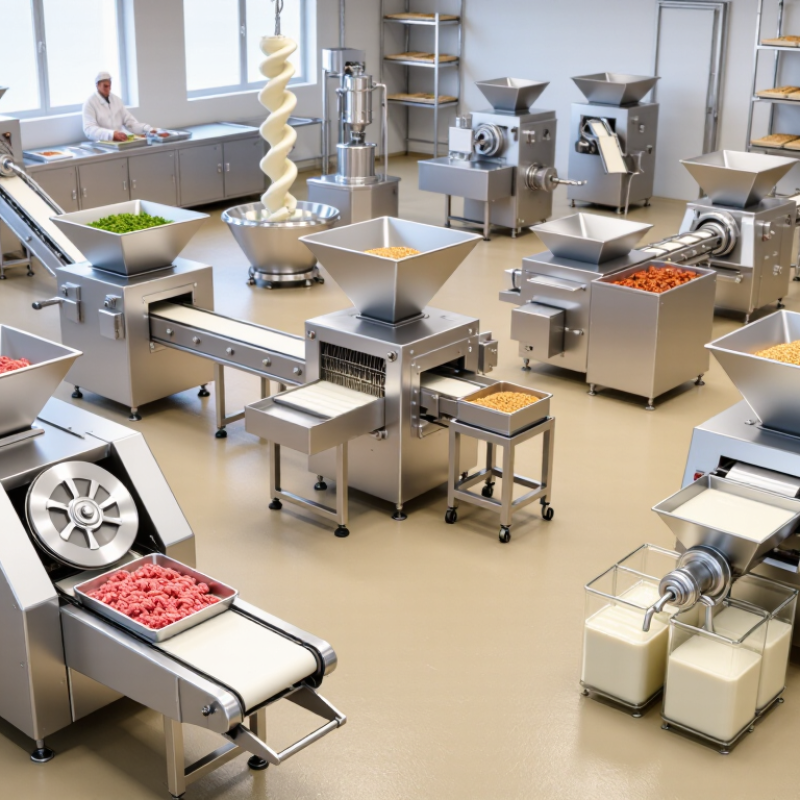
Industrial food grinders fall into several categories, and each suits a different processing application. Hammer mills reduce dried grains, spices, and dehydrated vegetables into consistent particles. Plate grinders handle cereals, seeds, and softer ingredients with adjustable gap settings. Pin mills create fine powders for seasoning blends and beverage premixes. Cutter grinders process meat, vegetables, and prepared fillings through rotating knives. Colloid mills produce smooth sauces, emulsions, and nut-based pastes. The texture can change quickly.
Other useful types include roller mills, stone mills, wet grinders, bone grinders, and high-shear grinders. Roller mills apply controlled pressure to grains while limiting heat buildup. Stone mills offer a traditional texture, though cleaning can take longer. Wet grinders suit soaked grains and plant-based mixtures. Bone grinders require strong construction and strict hygiene controls. High-shear models help create stable dressings and finely dispersed sauces.
Tips: Match the grinder to moisture, hardness, target particle size, and hourly capacity. Check contact materials, cleaning access, noise, and heat transfer before buying. A small test batch reveals more than a catalog figure. In my experience, operators often focus on motor power and overlook feeding consistency. That is a costly mistake. A powerful grinder can still deliver uneven results when the inlet flow changes. Records of temperature, screen condition, and particle size support reliable production, although real factories rarely keep perfect records.
Industrial food grinders differ mainly by how they break, shear, compress, or cut ingredients. Hammer mills use swinging hammers for grains, spices, and dried vegetables. Pin mills create fine powders through high-speed impact between fixed and rotating pins. Roller mills compress material between grooved cylinders, producing consistent flakes or coarse flour. Burr mills use opposing textured plates and allow practical gap adjustment. Disc mills rely on friction between rotating discs. They suit fibrous ingredients and moderate particle sizes.
Colloid mills use a fast rotor and stator to shear sauces, pastes, and emulsions. Cutter mills slice wet or oily foods with sharp blades. Knife mills perform similar cutting, but often handle larger pieces and softer products. Screw-and-plate meat grinders push material through a perforated plate. Their output depends heavily on blade sharpness and feed temperature. Cone mills combine gentle impact with screening, helping reduce oversized particles in powders and granules.
In plant trials, I check particle size, heat rise, cleaning time, and feed stability. A hammer mill may heat delicate spices too quickly. A roller mill may struggle with sticky fruit pieces. No mechanism wins every trial. Operators should inspect seals, screens, blades, and contact surfaces before production. Stainless construction supports hygiene, but design alone cannot replace disciplined sanitation. One overlooked detail matters: test the actual recipe, not only a dry sample. Texture, moisture, oil content, and throughput can change the result.
Top 10 industrial food grinder types include hammer, pin, disc, burr, roll, jaw, cutter, colloid, emulsifier, and pulverizer machines. Each handles capacity and particle size differently. Hammer and pin mills suit dry ingredients, while cutter and emulsifier machines support wet products. Roll grinders can produce a more controlled size distribution. Jaw grinders handle coarse reduction, but often need a second grinding stage.
Capacity should match hourly demand, feed moisture, and cleaning downtime. A larger chamber does not always mean higher output. Motor power affects throughput, yet excessive power can increase heat and damage flavor-sensitive ingredients. Particle size also influences texture, hydration, and downstream filling performance. The Food and Agriculture Organization’s 2023 report estimates that 13.2% of food is lost before retail. Poor grinding consistency can increase this loss through blockages, rejects, and rework. Grand View Research’s 2024 food processing equipment report also identifies automation and process control as major market drivers. I would still question broad market forecasts. They rarely reflect your actual product.
Tips: Request test data using your ingredients. Check capacity at the target particle size, not the supplier’s maximum rating. Measure temperature rise, screen wear, and power consumption during a full shift. A 2% variation may look minor, but it can alter texture across thousands of packages. Validate cleaning time, sanitation access, and repeatability before purchase. Record three production trials. One trial is not enough.
Choosing among hammer, pin, plate, cutter, colloid, and other grinder types requires more than comparing motor power. Match the machine to the food’s texture, moisture, fat content, and target particle size. Stainless steel product-contact surfaces, smooth welds, and tool-free access support safer cleaning. Avoid hidden corners where powder or meat residue can collect. Ask for documented material grades and hygienic design details, not vague “food-grade” claims.
Production scale changes the decision. A small processor may need a compact batch grinder with simple controls. Large facilities often require continuous feeding, automatic overload protection, recipe control, and connection to upstream equipment. Check hourly capacity under real product conditions. A machine rated for dry grains may perform poorly with oily seeds or chilled ingredients. Noise, heat generation, cleaning time, and spare-part access also affect total operating cost. More automation is not always better; complex systems can slow recovery when sensors fail.
Tips: Request a sample test before purchase. Measure particle uniformity, temperature rise, cleaning time, and actual throughput. Inspect the discharge area after washing. A spotless exterior proves little. I have seen buyers focus on horsepower and overlook operator access, which later caused avoidable downtime. Leave room for honest uncertainty: supplier data may reflect ideal conditions, not your daily production. Record your own trial results and compare them against hygiene, labor, and maintenance requirements.
Choosing among the top 10 industrial food grinder machine types requires more than comparing output rates. Hammer, pin, disc, colloid, meat, bone, wet, and dry grinders each create different safety and maintenance demands. Guards must cover moving parts, and emergency stops should remain reachable from normal operating positions. Operators also need clear lockout procedures before removing screens or cutting assemblies. Small gaps can cause serious injuries.
Installation affects reliability from the first shift. A level concrete base reduces vibration and protects bearings. Check electrical capacity, drainage, ventilation, and product-flow clearance before delivery. Wet grinders need hygienic piping and easy access for cleaning. Dry grinders require dust control and careful temperature monitoring. A practical detail often missed is service space behind the machine. Without it, routine inspection becomes slow and unsafe.
Maintenance costs include labor, blades, screens, seals, bearings, energy, water, and production downtime. Inspect wear parts daily during heavy use. Replace damaged screens early, because poor particle control can increase rework. Sanitation records should identify cleaning time, water use, and recurring residue points. In plant assessments, buyers sometimes focus on the purchase price and overlook operator training. That is a costly mistake. A cheaper machine may consume more power or require frequent manual adjustment. I would also question optimistic capacity claims; actual throughput changes with moisture, temperature, feed size, and operator habits. Total ownership cost should reflect those imperfect conditions.