What Are the Top Pet Food Machinery Suppliers?

Choosing the right pet food machinery supplier can shape a factory’s quality, efficiency, and long-term costs. The decision involves more than comparing equipment prices. It requires attention to extrusion stability, drying accuracy, coating uniformity, energy use, sanitation, and technical support.

Dr. Greg Aldrich, a respected pet food technology specialist, has often reminded the industry, “Pet food is not human food in a smaller package.” That principle also applies to machinery. A reliable line must handle different recipes, moisture levels, shapes, and production volumes without creating unnecessary waste. Bühler, Andritz, Wenger, Clextral, Famsun, and other established suppliers offer different strengths. Some focus on advanced extruders. Others provide complete processing lines, automation, or specialized systems for treats and wet food.

The best supplier depends on the factory’s real operating conditions. A small producer may value flexible changeovers and responsive service. A large plant may prioritize throughput, data monitoring, and spare-parts availability. Ask how quickly engineers respond when an extruder stops at 2 a.m. That detail matters.

No supplier is perfect. Even impressive machinery can underperform when installation, operator training, or recipe control is weak. This article compares leading pet food machinery suppliers through practical criteria, including engineering experience, product consistency, maintenance support, customization, and total ownership cost. It also considers a point buyers sometimes overlook: the cheapest quotation may become expensive after repeated downtime, difficult cleaning, or limited technical support.
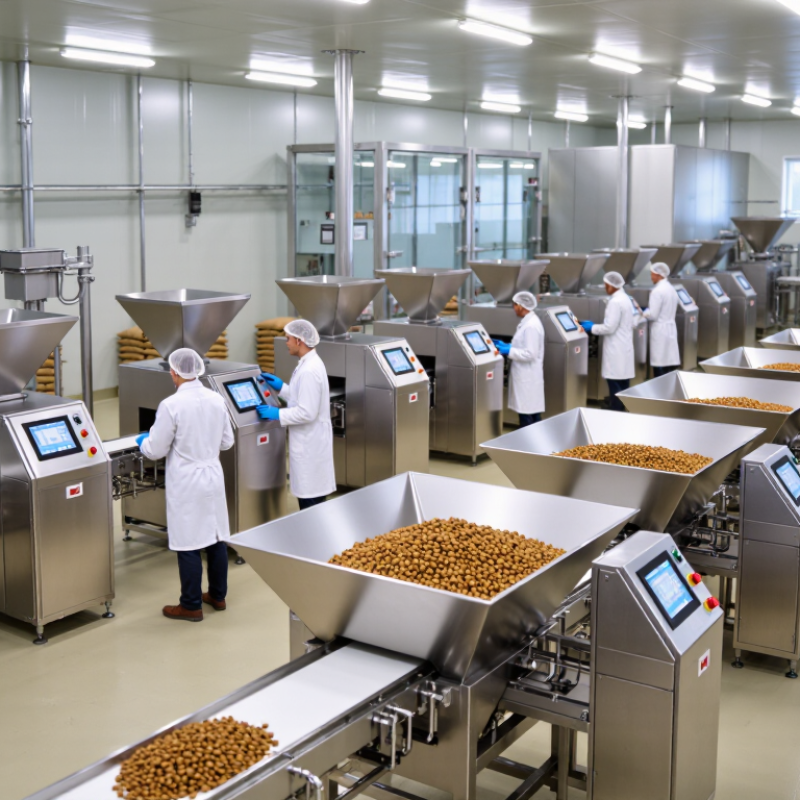
What Are the Top Pet Food Machinery Suppliers?

What Is Pet Food Machinery and Why Does Supplier Choice Matter?

Pet food machinery includes the equipment used to grind, mix, cook, shape, dry, coat, and pack pet food. A typical line may contain a hammer mill, mixer, extruder, dryer, fat coater, and packaging unit. Each machine affects texture, moisture, nutrition, and production stability. Small details matter. Uneven grinding can create inconsistent kibble. Poor drying can shorten shelf life. Weak sealing can damage otherwise safe products.

Supplier choice matters because machinery must match the recipe, factory space, output target, and cleaning routine. Experienced suppliers should explain capacity using real test data, not attractive estimates. Ask whether they can test your ingredients before purchase. Check stainless-steel grades, temperature controls, sensor accuracy, and access for maintenance. Clear manuals and operator training also reduce avoidable mistakes. Spare parts availability matters when a worn bearing stops production.

The lowest quotation may hide higher energy use, difficult cleaning, or delayed technical support. A reliable supplier provides layout drawings, installation guidance, performance records, and transparent warranty terms. They should also understand food hygiene requirements in your selling markets. Still, no supplier is perfect. A powerful extruder may waste energy at low output, while an inexpensive dryer may require more labor. Review trial results carefully, and question every promise that lacks measurable evidence.

Which Types of Pet Food Machinery Do Suppliers Typically Provide?

Pet food machinery suppliers typically provide equipment for several production stages, not just one task. Raw materials often enter through receiving hoppers, magnets, and dosing systems. Hammer mills or pulverizers reduce grains, proteins, and other ingredients to a controlled size. Mixing equipment then distributes oils, minerals, and powders evenly. Uneven blending can create nutritional inconsistencies. Small details matter.

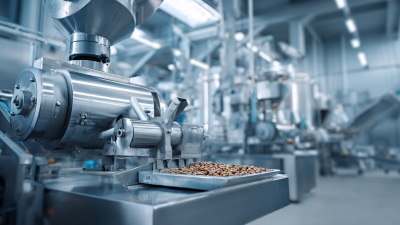
For dry pet food, extrusion systems are common. A twin-screw or single-screw extruder cooks and shapes formulas under controlled heat and pressure. Suppliers may provide preconditioners, cutters, dryers, coolers, and oil-coating units. Drying requires careful airflow control. Excessive heat can damage texture and reduce product quality. Coating drums add fat or flavor after cooling. The final pieces should feel crisp, not brittle. That judgment still needs testing.

Wet-food producers usually need grinders, emulsifiers, cooking vessels, filling machines, retort systems, and cleaning equipment. Treat and snack lines may include forming machines, ovens, dehydrators, and conveyors. Many suppliers also offer weighing, packaging, metal detection, automation, and spare parts. A reliable supplier should explain throughput using real operating conditions, not laboratory figures alone. Ask about sanitation access, changeover time, energy use, and operator training. Specifications can look perfect on paper. Factory trials may reveal awkward maintenance points.

What Are the Top Pet Food Machinery Suppliers? - Which Types of Pet Food Machinery Do Suppliers Typically Provide?
Supplier Category Core Machinery Typically Provided Common Pet Food Applications Typical Capacity Range Main Processing Characteristics Common Supporting Equipment
Dry Extrusion Line Suppliers Single-screw extruders Twin-screw extruders Dryers Coaters Complete dry kibble production for dogs and cats, including standard, premium, and specialty formulas. Approximately 100 kg/h to more than 10,000 kg/h, depending on line configuration and product density. Extrusion cooks and shapes the mixture; drying reduces moisture, while vacuum or liquid coating adds fats, flavors, and nutrients. Grinders, mixers, preconditioners, coolers, sieves, elevators, weighing systems, and packaging machines.
Wet Pet Food Equipment Suppliers Mixers Filling machines Can seamers Retorts Canned food, trays, pouches, pâté, chunks in gravy, and other shelf-stable wet products. Often configured from small batch systems to several hundred containers per minute. Accurate filling is followed by hermetic sealing and thermal processing to achieve commercial sterility. Ingredient preparation systems, vacuum fillers, checkweighers, labeling machines, conveyors, and cooling systems.
Treat and Snack Machinery Suppliers Forming machines Baking ovens Molding systems Coating units Biscuits, baked treats, dental chews, jerky-style products, soft treats, and extruded snacks. Commonly about 50 kg/h to 5,000 kg/h, with output depending on product size and process design. Equipment is selected according to dough rheology, moisture content, shape, texture, and required drying profile. Dough mixers, sheeters, cutters, depositors, ovens, dryers, oil sprayers, cooling conveyors, and metal detectors.
Freeze-Dried and Dehydrated Food Equipment Suppliers Freeze dryers Vacuum dryers Dehydrators Tray loading systems Freeze-dried meat, raw-food pieces, meal toppers, functional ingredients, and low-moisture treats. Typically designed around batch sizes from a few dozen kilograms to several hundred kilograms per cycle. Freeze-drying removes ice by sublimation under vacuum; dehydration removes moisture through controlled heated airflow. Freezers, vacuum pumps, refrigeration units, tray systems, weighing equipment, moisture analyzers, and nitrogen flushing systems.
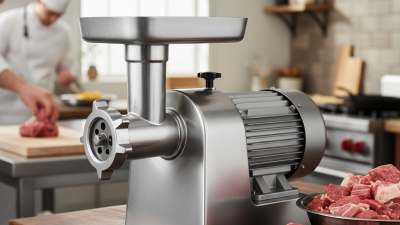
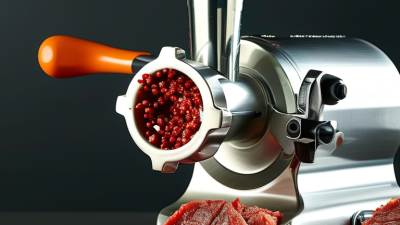
Raw and Fresh Pet Food Processing Suppliers Meat grinders Blenders Portioning machines Vacuum packers Refrigerated or frozen raw diets, minced meat products, patties, nuggets, and portioned fresh meals. Usually supplied from small-batch production to approximately 5,000 kg/h for larger processing operations. Systems emphasize cold-chain control, hygienic design, gentle mixing, accurate portioning, and rapid packaging. Bone separators, emulsifiers, forming machines, chillers, freezers, sanitation systems, and temperature monitoring equipment.
Ingredient Preparation Equipment Suppliers Hammer mills Roller mills Premix blenders Liquid dosing systems Preparation of cereals, meat meals, minerals, vitamins, oils, fibers, and other dry or liquid ingredients. Approximately 100 kg/h to more than 20,000 kg/h, depending on the ingredient and required particle size. Uniform particle size and accurate dosing help improve recipe consistency, digestibility, and downstream extrusion performance. Magnets, sifters, dust collectors, micro-dosing systems, storage bins, pneumatic conveying, and weighing controls.
Packaging and End-of-Line Suppliers Vertical baggers Premade pouch machines Case packers Palletizers Packaging of kibble, treats, powders, freeze-dried pieces, wet food, and multi-component products. From manual or semi-automatic filling to more than 100 bags or pouches per minute on automated lines. Equipment focuses on accurate weighing, seal integrity, product protection, traceability, and reduced handling. Multihead weighers, auger fillers, vacuum or nitrogen systems, checkweighers, date coders, case erectors, and stretch wrappers.
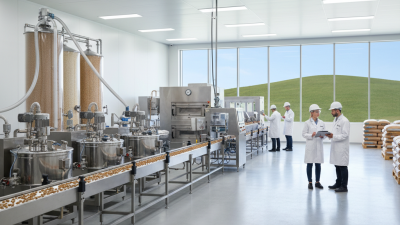
Turnkey Project and System-Integration Suppliers Complete production lines Process controls Factory layout Installation services New factories, capacity expansions, recipe changes, automation upgrades, and integrated multi-product facilities. Project capacity may range from pilot-scale lines to industrial plants exceeding 10,000 kg/h. Integrates material handling, processing, drying, coating, packaging, utilities, automation, and production data systems. Engineering design, commissioning, operator training, spare parts, preventive maintenance, and performance validation.

How Should Businesses Evaluate Pet Food Machinery Suppliers?

Choosing a pet food machinery supplier requires more than comparing purchase prices. Businesses should examine how each supplier understands real production conditions, including recipe changes, moisture levels, fat content, and daily cleaning demands. A capable supplier will ask detailed questions before recommending an extruder, dryer, mixer, or packaging line.

Request a trial using your own ingredients. Watch how evenly the machine mixes, cooks, shapes, and dries the product. Check the final moisture level, particle consistency, power consumption, and production speed. Stainless steel contact surfaces should be easy to inspect and sanitize. Ask for documented food-safety procedures, material specifications, and factory acceptance testing. A polished brochure is not enough.

Service quality often determines long-term value. Ask how quickly technicians respond, where spare parts are stored, and whether operators receive practical training. Review maintenance schedules, warranty limits, software support, and installation responsibilities in writing. Speak with several existing customers, preferably from facilities with similar output and recipes. Some suppliers promise flexible production, yet their equipment may require long changeover times. That weakness can appear only during a live test.

Do not ignore communication. Clear drawings, realistic delivery dates, and transparent pricing reduce costly surprises. A supplier that admits technical limits may be more dependable than one making perfect claims. Businesses should also calculate cleaning labor, energy use, rejected batches, and future expansion space. The cheapest machine can become expensive when a small seal failure stops production for two days.

Which Factors Distinguish the Top Pet Food Machinery Suppliers?

Top pet food machinery suppliers are distinguished by more than machine speed. Hygiene, process control, and dependable service matter just as much.

Grand View Research reported that the global pet food market reached about USD 118 billion in 2023. Its forecast also indicates continued growth through 2030. This pressure pushes factories to improve output without weakening product safety. Strong suppliers provide stainless-steel designs, cleanable surfaces, controlled drying, and accurate dosing systems. They should explain how equipment handles moisture, fat, temperature, and fragile shapes. A useful supplier also offers factory trials. Seeing kibble move through a test line reveals problems that brochures often hide. Data logging is important, too. Operators need records for temperature, batch time, energy use, and downtime.

Experience matters on the production floor. A reliable supplier can discuss blocked nozzles, uneven coating, worn bearings, and difficult cleaning shifts. Technical training should include practical maintenance, not only manuals. According to the 2024 APPA industry report, U.S. pet industry spending reached approximately USD 152 billion in 2024. Rising demand does not justify buying the largest line. Oversized equipment may waste energy and create slower changeovers. That assumption can fail.

Tips: Ask for verified performance data from a similar production scale. Compare sanitation time, spare-part access, warranty coverage, and response times. Request references from processors with comparable recipes. Check whether software remains usable during a network outage. The best supplier may not promise perfection. It should identify limitations clearly and propose measurable improvements.

How Can Buyers Select the Right Supplier for Their Production Needs?

Selecting a pet food machinery supplier requires more than comparing purchase prices. According to the American Pet Products Association’s 2025 industry report, U.S. pet industry spending reached 152 billion dollars in 2024. Rising demand increases pressure on throughput, consistency, and production flexibility. Buyers should define daily output, product moisture, recipe changes, and packaging formats before contacting suppliers.

Request measured data from comparable installations. A supplier should provide capacity ranges, energy use, yield loss, cleaning time, and documented test results. PMMI’s 2023 Pet Food Packaging Trends and Growth Opportunities report highlights automation, flexible packaging, and operational efficiency as important industry priorities.

Ask whether the equipment supports recipe traceability, hygienic design, and integration with existing filling or packing lines. A fast machine is not useful if changeovers create long delays.

Audit the supplier’s service structure, not only its factory. Check spare-parts availability, technician response times, operator training, and remote diagnostic capabilities. Factory acceptance testing should use your actual ingredients when possible. Site acceptance testing matters too. A spreadsheet can still lie. Buyers sometimes underestimate installation space, compressed-air demand, or wastewater requirements. That mistake can become expensive after delivery. Review total ownership cost over five to ten years, including maintenance, utilities, downtime, and future capacity upgrades. No supplier is perfect, so document unresolved risks and require clear corrective actions before signing.