Top Quality Steel Conveyor Belt Suppliers in China?
The steel conveyor belt industry is crucial for various sectors, including mining, manufacturing, and logistics. According to a recent report by Grand View Research, the global conveyor belt market is expected to reach $6.9 billion by 2027, driven by increasing automation and production efficiency. China plays a significant role in this market, leading as a primary supplier of steel conveyor belts due to its competitive pricing and vast manufacturing capabilities.
Steel conveyor belts are favored for their durability and strength. They support heavy loads and withstand harsh conditions, making them ideal for high-demand environments. However, not all suppliers maintain the same quality standards. Companies must carefully evaluate suppliers to ensure they meet the stringent requirements of safety and performance. This brings to light the varying reliability among suppliers in China. Some manufacturers may compromise on material quality or production techniques.
Investors and businesses need to ask tough questions about potential suppliers. Transparency and quality assurance should be non-negotiable criteria. Engaging with reputable suppliers can significantly affect operational efficiency and long-term success. In a market with numerous options, finding a trustworthy supplier for steel conveyor belts is both a challenge and an opportunity.
Top Manufacturers of Steel Conveyor Belts in China: An Overview
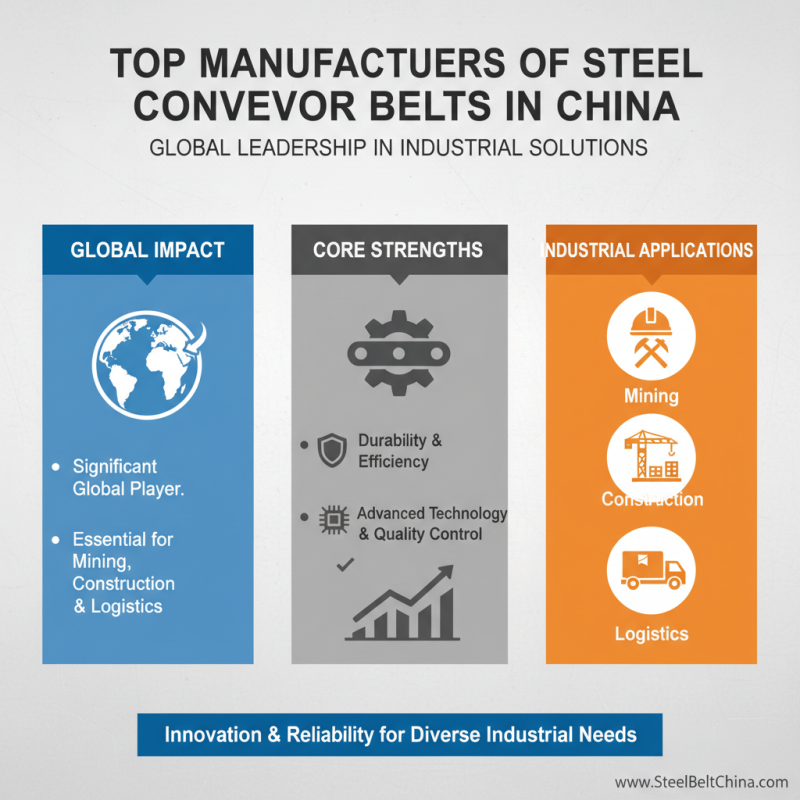
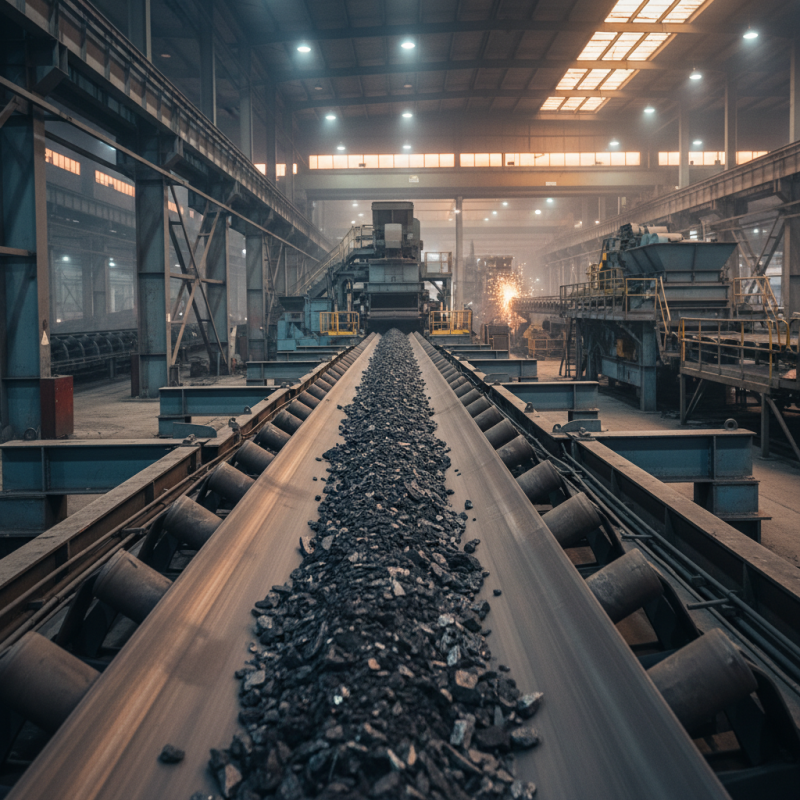
China is a significant player in the global steel conveyor belt market. Various manufacturers excel in producing high-quality steel belts. These steel belts are essential for numerous industries, such as mining, construction, and logistics. Manufacturers focus on durability and efficiency in their production processes. They employ advanced technologies and rigorous quality control. This attention to detail ensures these products meet varied industrial needs.
Choosing a reliable supplier can be challenging. Potential customers should assess suppliers based on experience, product range, and customer feedback. Effective communication with suppliers is critical. It can reveal a lot about their expertise and support. Companies may also want to visit manufacturing facilities to gauge quality firsthand. Yet, some suppliers may not be transparent about their operations, which requires careful evaluation.
Many Chinese suppliers invest heavily in research and development. This investment leads to innovative solutions and improved products. However, not all suppliers maintain the same standards. Some may cut corners to reduce costs. Buyers should look out for these practices. Engaging in thorough research and asking the right questions can prevent issues down the road.
Market Share Analysis of Leading Steel Conveyor Belt Suppliers in China
The steel conveyor belt market in China is highly competitive. Several suppliers dominate with significant market shares. They provide various belt types, catering to different industries. Demand increases each year, reflecting growth in manufacturing and logistics. This trend indicates that suppliers must adapt quickly.
Analyzing supplier performance reveals interesting insights. While some companies excel in quality, others lag. Innovation plays a crucial role. Suppliers that invest in research often lead the market. However, not all can keep up. This creates gaps in service and reliability.
Sustainability is an emerging factor in the steel conveyor belt market. Some suppliers focus on eco-friendly materials and processes. Others, however, prioritize cost over sustainability. This difference impacts their long-term viability. Customers become more conscious of the environmental impact. Suppliers that do not adapt might face challenges.
Top Quality Steel Conveyor Belt Suppliers in China - Market Share Analysis
| Supplier Type |
Market Share (%) |
Annual Revenue (Million USD) |
Product Range (Types) |
Customer Base (Industries) |
| Large Manufacturers |
40% |
300 |
10 |
Mining, Construction, Food Processing |
| Medium Enterprises |
35% |
200 |
6 |
Automotive, Packaging |
| Small Suppliers |
15% |
50 |
3 |
Textiles, Pharmaceuticals |
| Importers |
10% |
100 |
5 |
Electronics, Chemicals |
Quality Standards and Certifications for Chinese Steel Conveyor Belts
When it comes to steel conveyor belts, quality standards and certifications are crucial. In China, suppliers are increasingly adhering to global benchmarks. The ISO 9001 certification is often seen as a foundational requirement. This standard defines criteria for a quality management system. Companies with this certification demonstrate a commitment to consistent product quality.
Moreover, the European Union’s CE marking is another vital indicator. It signifies compliance with health, safety, and environmental requirements. Research shows that products with CE marking have higher acceptance in international markets.
According to industry reports, approximately 75% of international buyers prioritize these certifications when selecting suppliers.
Despite these improvements, not all suppliers fully embody these standards. Some lack procedures for regular testing. This inconsistency can lead to varying product quality. Buyers should always ask for documentation. A trusted supplier should provide insight into their quality control processes. Transparency is key in ensuring a reliable partnership.
Comparative Pricing Trends among Chinese Steel Conveyor Belt Suppliers
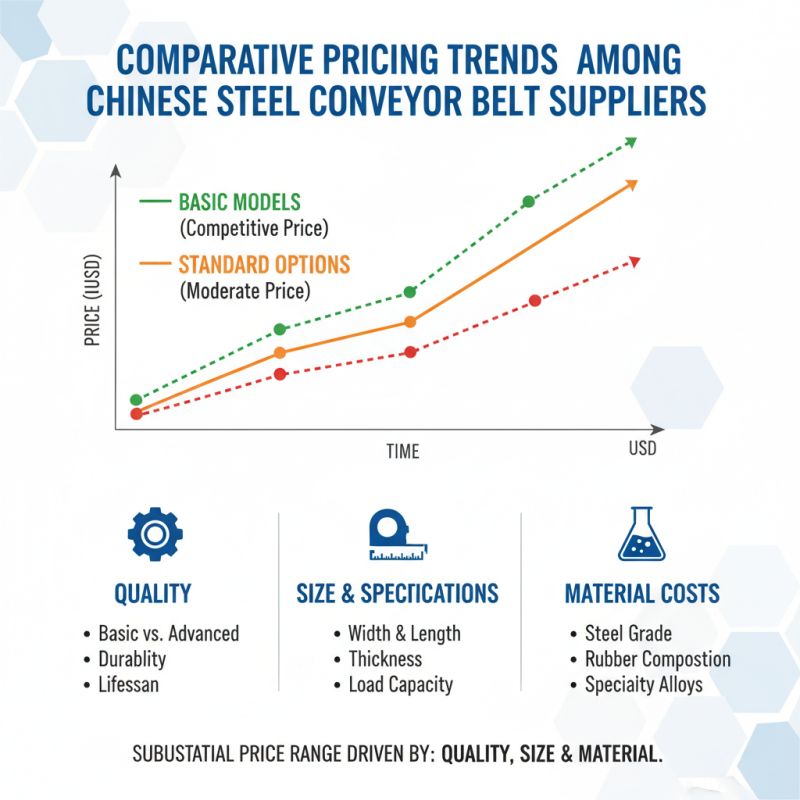
When it comes to steel conveyor belts, pricing varies significantly among suppliers in China. Recent analysis shows that factors like quality, size, and material impact costs. Some suppliers offer basic models at competitive prices, while others focus on high-quality options, resulting in a price range that can be substantial.
One notable trend is the increased transparency in pricing strategies. Suppliers are now more willing to provide detailed breakdowns of costs. This allows customers to understand what they are paying for. However, navigating this landscape can be tricky. Some suppliers may present misleading information to enhance perceived value. Buyers must exercise discretion when evaluating offers.
In addition, geopolitical issues can affect pricing trends. Tariffs and trade regulations may lead to fluctuations in material costs. These unpredictabilities impact final pricing. Therefore, potential buyers should remain vigilant on market trends. It’s essential to weigh cost against quality. A lower price does not always guarantee a suitable solution. This complexity ensures that decision-making is anything but straightforward.
Innovative Technologies Adopted by Top Steel Conveyor Belt Manufacturers in China
Innovative technologies are vital for steel conveyor belt manufacturers in China. The industry has advanced significantly in recent years. Advanced materials are now used for higher durability and performance. These materials are resistant to wear and tear, extending the conveyor's lifespan.
Automation plays a crucial role in production. Many manufacturers utilize automated systems for precision. This leads to consistent quality and improved efficiency. Moreover, smart sensors help monitor the belts in real time. This technology predicts failures before they occur, ensuring seamless operation.
Sustainability is another key focus area. Manufacturers are adopting eco-friendly production methods. Reducing waste and energy consumption is essential in today's market. However, some companies struggle to balance innovation and environmental responsibilities. It is an ongoing challenge that requires continuous reflection and adaptation.