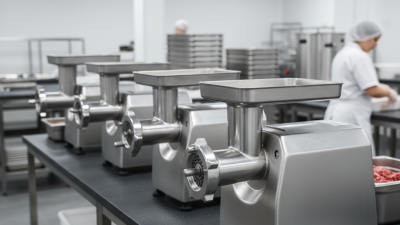
Top Commercial Meat Grinder Options for Global Buyers?
In the competitive world of food production, a reliable commercial meat grinder is essential. Experts emphasize quality and performance in this industry. Jack Thompson, a renowned food technology expert, states, “Choosing the right commercial meat grinder can elevate the efficiency of any meat processing operation.” His insights highlight the importance of selecting the right equipment.
When exploring commercial meat grinders, buyers face numerous choices. These machines vary in power, size, and ability. High-quality grinders can save time while improving product consistency. However, purchasing decisions can be overwhelming. It's crucial for buyers to consider their specific needs and the capacity of each model.
Innovation in commercial meat grinders is a constant. New features like advanced safety mechanisms and digital controls are becoming standard. Yet, not all brands keep up with these advancements. Understanding the nuances can prevent costly mistakes. Investing in the right commercial meat grinder will yield better results in the long run. Your choice reflects your commitment to quality and efficiency.
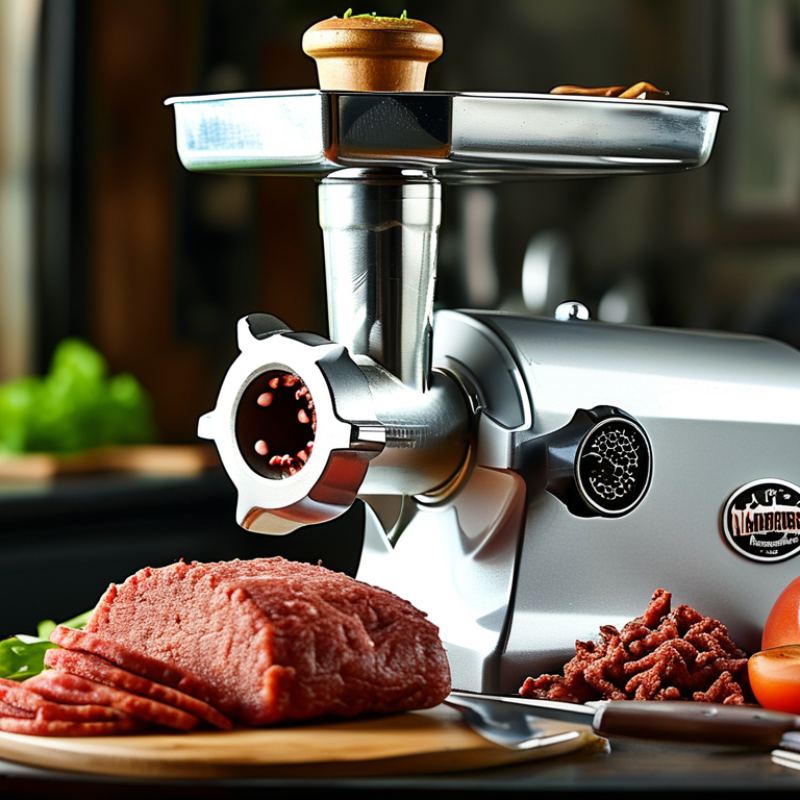
Overview of Commercial Meat Grinders and Their Applications
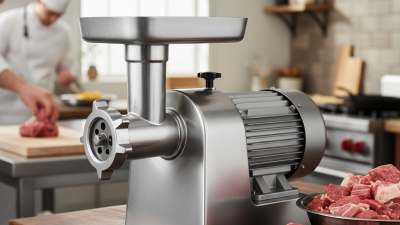
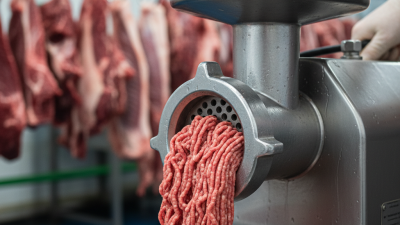
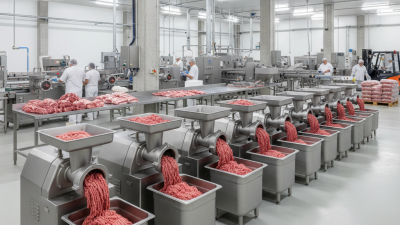
Commercial meat grinders play a crucial role in food processing, especially in the meat industry. They assist in producing ground meat for various applications. These machines come in different sizes and capacities, allowing users to choose the right one for their needs. Common applications include restaurants, butcher shops, and food production facilities.
When selecting a commercial meat grinder, consider the intended use. Higher capacity machines are essential for busy businesses. Smaller establishments may find mid-range models adequate. Be mindful of the material quality, as stainless steel is preferred for durability and hygiene. Regular maintenance is vital, as neglect can lead to performance issues.
Tips: Always clean the grinder after each use. This practice prevents cross-contamination and maintains hygiene. Think about investing in accessories for versatility. Attachments like slicers or stuffers can enhance functionality. Make sure to train staff properly to ensure safe operation. A bit of practice can make a significant difference in efficiency.
Key Features to Consider When Selecting a Meat Grinder
When selecting a commercial meat grinder, several key features should be carefully considered to ensure the best fit for your needs. The power of the motor is crucial. A strong motor will efficiently grind meat to the desired texture without overheating. Look for grinders with a horsepower rating that matches your production needs.
Another important factor is the material quality. Stainless steel is preferred for durability and hygiene. Grinders made from high-quality materials tend to last longer. Easy disassembly for cleaning is also vital. Grime and bacteria can accumulate in hard-to-reach areas, compromising food safety.
Tip: Check the grinder's warranty. A good warranty often indicates a reliable product.
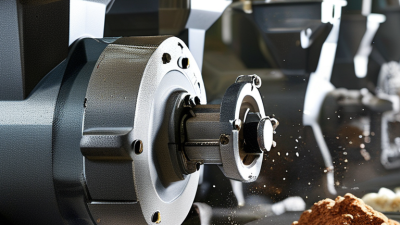
Consider the grinding plates' sizes and textures available. Different textures can affect the final product's quality. Some plates are better for coarse grinds, while others are ideal for fine textures.
Tip: Read user reviews online. They can reveal potential issues you might not consider.
Ergonomics should not be overlooked. The weight and design of the grinder can impact usability. A heavier grinder may require more effort to maneuver, while a lighter option can facilitate easier handling. Reflecting on these aspects will guide you toward the right choice.
Comparison of Popular Meat Grinder Brands for Commercial Use
When selecting a meat grinder for commercial use, several factors come into play. Buyers need to consider capacity, power, and durability. Some grinders are designed for high volume and can handle large batches. Others are more compact, making them suitable for smaller operations. The choice often depends on the specific needs of the business, whether it's a butcher shop or a restaurant.
Another key consideration is the ease of cleaning and maintenance. Commercial meat grinders can become a chore to maintain if not designed with user-friendliness in mind. Many brands offer removable parts for easy cleanup. However, some models still require more effort than expected. Understanding the maintenance requirements is crucial for long-term use.
Durability is an essential factor, too. Different materials withstand varying levels of wear and tear. Stainless steel is often favored for its resistance to corrosion and easy maintenance. However, cheaper models may use lower-quality materials that could compromise performance over time. Weighing these aspects carefully will help buyers make a more informed decision about their investment.
Buying Guide: Budget Options vs. High-End Meat Grinders
When choosing a meat grinder, budget plays a crucial role. There are numerous options available, ranging from affordable to high-end models. Budget meat grinders are typically lighter and smaller. They work well for occasional use, especially for home cooks who only grind meat occasionally. However, keep in mind that they may struggle with tougher cuts or larger volumes.
High-end meat grinders come equipped with powerful motors and durable materials. They can handle various types of meat, including game and tougher cuts. Investing in a high-quality grinder can save time and ensure better results. But remember, not everyone needs a professional-grade grinder, especially if meat grinding is infrequent.
Tip: Always consider your needs and frequency of use before purchasing. Do you grind meat often? If so, a high-end model might be worthwhile. If not, a budget option could suffice.
Ultimately, weighing your options carefully is important. Assessing how much meat you plan to grind will aid in your decision-making. Taking time to compare different features and capacities will help avoid overspending on unnecessary functions.
Maintenance Tips for Longevity of Commercial Meat Grinders
Maintaining a commercial meat grinder properly is crucial for its longevity. Regular cleaning ensures that residues do not build up, which can lead to rust and bacterial growth. According to industry reports, 30% of commercial meat grinders face issues due to neglecting routine maintenance. Grinders should be disassembled and cleaned after each use. A simple scrub with warm, soapy water suffices for most components.
Lubrication is another essential factor. The moving parts of a meat grinder need regular lubrication to function smoothly. Using food-safe lubricants can prevent friction and wear. Interestingly, studies show that a well-lubricated machine can perform up to 20% more efficiently than a neglected one. Observing wear and tear is important, as many users overlook minor damages. Regular inspections can prevent these small issues from becoming significant problems.
Proper storage also matters. Meat grinders should be stored in a cool, dry place. Humidity can cause corrosion over time. Users often underestimate this factor. Additionally, using the grinder within its limit is crucial. Operating it beyond recommended capacity can shorten its lifespan significantly. Making these adjustments can lead to better performance and overall efficiency in commercial settings.
Top Commercial Meat Grinder Options and Their Maintenance Costs