Belt Conveyor Design Tips for Maximum Efficiency in 2026?
In the rapidly evolving field of logistics, belt conveyor design plays a crucial role in enhancing productivity. According to a report by the International Materials Handling Research Forum, optimizing conveyor systems can improve efficiency by up to 30%. Industry expert Dr. Thomas Everly states, "A well-designed belt conveyor can significantly reduce operational costs." These insights emphasize the importance of investing in advanced engineering and technology for better performance.
As the demand for faster and more reliable material handling grows, the focus on belt conveyor design becomes increasingly critical. Many companies overlook essential design elements that lead to inefficiencies. For instance, selecting the wrong belt material can result in higher wear and tear, leading to unexpected downtime. Reflecting on past projects reveals that often, crucial design considerations are left unaddressed, impacting overall system effectiveness.
Moreover, the challenge lies in tailoring designs to various applications. An effective belt conveyor should address specifics like load type and operational environment. This complexity in design can sometimes make it difficult to achieve maximum output. Yet, learning from these challenges can drive better practices in future projects, reinforcing the essential nature of belt conveyor design.
Overview of Belt Conveyor Systems and Their Importance in 2026
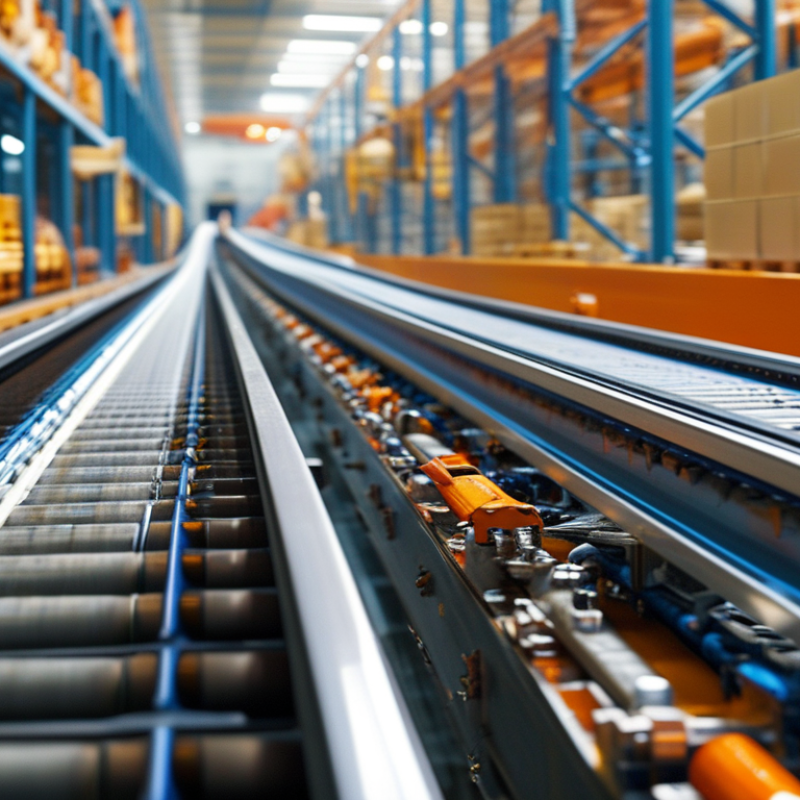
Belt conveyor systems play a crucial role in various industries, from mining to manufacturing. In 2026, these systems are expected to handle over 30 billion tons of materials globally. Efficient design is vital for reducing energy consumption and operational costs. According to a recent industry report, optimizing conveyor speed and alignment can improve efficiency by up to 20%. Such improvements not only boost productivity but also lower environmental impact.
In light of increasing demands for sustainability, energy-efficient conveyor designs are imperative. Advanced materials and technologies are emerging to enhance load capacity while minimizing wear and tear. Data indicates that integrating IoT technology can lead to predictive maintenance, reducing downtime by nearly 15%. However, many facilities still rely on outdated systems, which can hinder performance. Embracing modern solutions is essential for keeping pace with competitors.
Understanding the importance of proper training for personnel is often overlooked. Lack of training can lead to operational mishaps, resulting in increased maintenance costs. As organizations adopt new technologies, investing in workforce education on equipment usage remains critical. This aspect will be pivotal in harnessing the full potential of conveyor systems in the coming years.
Belt Conveyor Design Tips for Maximum Efficiency in 2026
Key Factors Influencing the Efficiency of Belt Conveyor Design
The efficiency of belt conveyor design hinges on several key factors that will shape the industry in 2026. One major consideration is the material used for the belt itself. Reports from industry experts indicate that using lightweight materials can enhance speed and reduce energy consumption. A study showed that optimized belts made from advanced polymers can decrease the energy required for operation by up to 15%. This efficiency translates into cost savings for operators and less environmental impact.
Another crucial aspect is the conveyor's alignment and maintenance. Regular assessments can prevent misalignment, which leads to increased friction and energy consumption. Data reveals that misaligned conveyors can reduce efficiency by approximately 25%. Implementing regular maintenance schedules can help maintain optimal performance and extend the conveyor’s lifespan. Operators often overlook this, underestimating its impact on overall efficiency.
The integration of smart technology also plays an essential role. Sensors and automated systems can provide real-time performance data. This allows for immediate adjustments and better load management. However, reliance on technology must be balanced with human oversight. There are risks associated with over-automation, such as system malfunctions or data inaccuracies. Thus, a thoughtful approach is essential in designing effective belt conveyor systems.
Innovative Technologies Impacting Belt Conveyor Performance
Innovative technologies are reshaping belt conveyor systems in 2026. One vital aspect is the integration of smart sensors. These devices collect real-time data on the belt’s operation. This data helps identify issues before they escalate. Predictive maintenance reduces downtime significantly. However, implementing these sensors can be complex and requires expert knowledge.
Another innovation is the use of advanced materials for belts. Lightweight and durable materials can reduce energy consumption. They allow for faster speeds and improved load handling. Still, there is a risk of reduced longevity if not properly chosen. Selecting materials based on specific use cases is essential but often overlooked.
Moreover, automation enhances efficiency. Automated systems can adjust speeds as per demand. This flexibility can lead to significant savings. On the downside, reliance on automation may create vulnerabilities, especially during system failures. Operators must ensure there are backup processes in place. Balancing technology and human oversight is crucial for optimal conveyor performance.
Best Practices for Optimizing Belt Conveyor Layout and Operation
Optimizing belt conveyor systems is crucial for enhancing operational efficiency. A well-designed layout can significantly reduce downtime and increase throughput. Proper spacing between rollers prevents material jams and minimizes wear. It’s important to consider the material flow direction and belt speed to avoid bottlenecks.
Involving adjustable components allows for flexibility in operation. Adjustments based on the type of materials being transported can lead to better performance. Staff training also plays a role; knowledgeable operators can spot issues early. Regular maintenance checks support the longevity of equipment but are often overlooked. Remember that the ideal systems may require tweaking over time.
Analyzing the entire conveyor process helps to identify inefficiencies. Routine evaluations can reveal unexpected problem areas. Implementing feedback mechanisms from operators encourages continuous improvement. While the goal is maximum efficiency, realizing that some aspects will require ongoing adjustments is key. A mindset of adaptability is essential for future system upgrades.
Future Trends in Belt Conveyor Design for Enhanced Productivity
The future of belt conveyor design is geared towards maximizing productivity. Emerging technologies are integral to this evolution. Automation and smart controls are now essential in creating more efficient systems. Conveyors that integrate IoT can provide real-time data. This data helps in predictive maintenance, reducing downtime and increasing reliability.
Sustainability is a key trend. Companies are focusing on eco-friendly materials and energy-efficient designs. Using materials that reduce environmental impact will be a priority. Energy-efficient motors and regenerative drives are gaining traction in the industry. These innovations can minimize energy consumption while maintaining performance.
However, the shift to advanced designs comes with challenges. Many companies may struggle with transitioning to new technologies. Training staff is crucial to maximize these improvements. Integrating new systems may disrupt existing operations. It requires careful planning and execution. As the industry evolves, staying adaptable will be vital for success.