China Top 10 Dog Food Manufacturing Equipment Manufacturers

Choosing reliable dog food manufacturing equipment manufacturers in China requires more than comparing prices. Equipment affects nutrition, hygiene, throughput, and long-term operating costs. A practical review should examine extruders, dryers, mixers, oil sprayers, coolers, and packaging lines as one connected system. Factory-floor experience matters here. Stainless-steel contact parts, cleanable surfaces, stable temperature control, and accessible maintenance points can determine daily performance.

This guide introduces ten Chinese manufacturers with attention to engineering capability, product range, customization, service response, and documented quality practices. It considers whether suppliers can explain capacity in kilograms per hour, moisture targets, energy use, and installation requirements. Photos are useful. Video tests and customer references are stronger. Buyers should request test reports, material certificates, control-system details, and clear warranty terms before signing a contract. Compliance must be checked for the destination market, not assumed from a supplier’s marketing language.

The ranking is not a universal verdict. A small private-label producer may need flexibility, while a large plant may prioritize automation and continuous output. Some suppliers communicate well but provide limited technical evidence. That weakness deserves attention. Readers should compare like-for-like configurations and calculate total ownership costs, including spare parts, training, freight, and downtime. With these checks, the following overview can support a more informed equipment decision and reduce avoidable surprises.
China Top 10 Dog Food Manufacturing Equipment Manufacturers

How Dog Food Manufacturing Equipment Is Classified

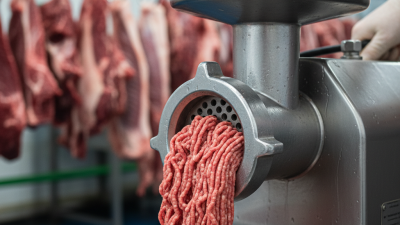
Dog food manufacturing equipment can be classified by its position in the production line and its specific processing duty. Raw-material systems include receiving hoppers, magnets, sifters, grinders, and weighing units. They control particle size, remove unwanted metal, and improve formula accuracy. A hammer mill may create a fine meal, while a coarse grinder supports chunkier recipes. Selection depends on ingredients, moisture, and required texture.

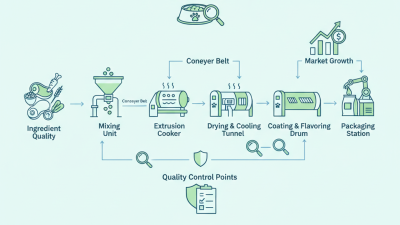
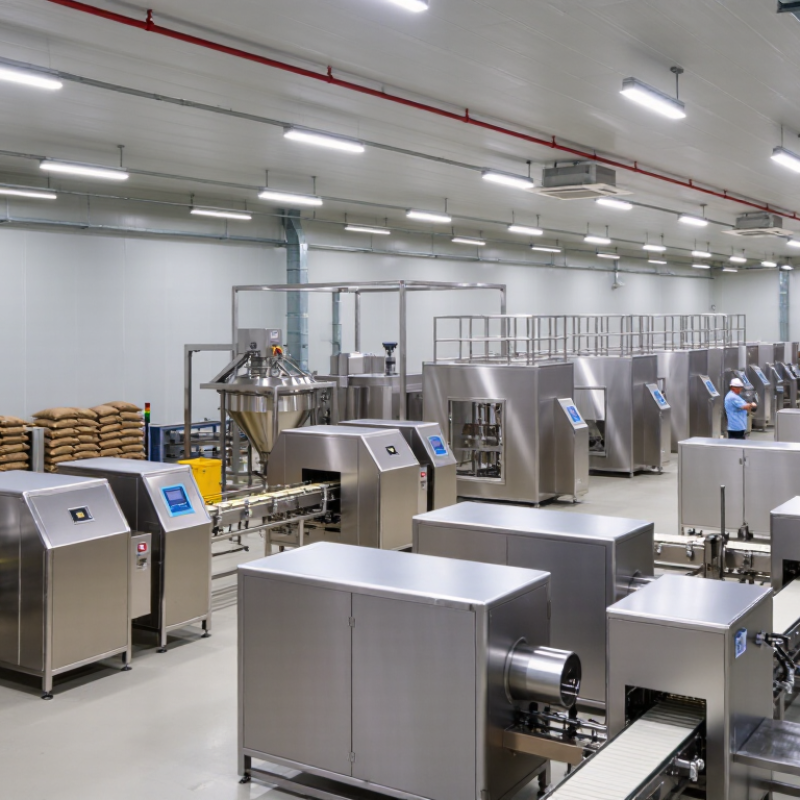
The cooking and forming group includes mixers, preconditioners, extruders, and shaping machines. Extruders use heat, pressure, and controlled moisture to produce different kibble shapes. Drying and cooling equipment then reduces moisture and stabilizes the finished pieces. Coating systems can add measured oils or flavor materials after cooling. Packaging machines complete the line through weighing, sealing, coding, and inspection. Auxiliary equipment, such as dust collectors, compressors, conveyors, and quality-testing instruments, supports safer and more consistent operation.

Tips: Classify equipment by function before comparing suppliers. Check throughput, cleaning access, temperature control, spare-part availability, and operator safety. A larger machine is not always better. It may waste energy when production volumes change. In practice, equipment categories often overlap, and a neat classification can hide process weaknesses. Trial runs are valuable because real ingredients rarely behave exactly like laboratory samples. Regular calibration also matters; even a reliable scale can create formula errors when ignored.

Key Factors for Evaluating Chinese Equipment Manufacturers

China Top 10 Dog Food Manufacturing Equipment Manufacturers

Evaluating Chinese equipment manufacturers requires more than comparing quotations. Grand View Research valued the global pet food market at approximately USD 103.27 billion in 2023. It also forecasts a 4.6% annual growth rate through 2030. This growth increases pressure on equipment suppliers to deliver stable, scalable systems. Ask for verified output data, not attractive catalog numbers. A line rated at 2,000 kilograms per hour may reach that figure only with ideal moisture and formula conditions.

Hygienic design should receive close attention. Product-contact parts should use food-grade stainless steel, with smooth welds and accessible cleaning points. Request material certificates, factory acceptance test records, and documented calibration procedures. The European Hygienic Engineering and Design Group stresses cleanability and contamination control in hygienic equipment design. These details matter around mixers, extruders, dryers, and cooling conveyors. Small dead zones can hold residue. That is easy to overlook.

Automation and after-sales support deserve equal weight. The International Federation of Robotics reported more than 500,000 industrial robot installations worldwide in 2023, showing the continuing shift toward automated production. However, automation is not always the best answer. Check whether operators can adjust feeding speed, temperature, moisture, and cutting length without specialist software. Ask about spare-part availability, remote diagnostics, installation training, and response times. A low purchase price can become expensive when one sensor stops production. I would still test a complete sample batch before signing; supplier demonstrations often look better than daily factory work.

Key Factors for Evaluating Chinese Dog Food Manufacturing Equipment Manufacturers

This weighted evaluation model focuses on the practical criteria buyers commonly use when comparing dog food manufacturing equipment suppliers. Technical performance, after-sales service, food safety compliance, and customization capability receive the highest weighting because they directly affect production reliability, product consistency, and long-term operating costs.

China’s Top 10 Dog Food Manufacturing Equipment Manufacturers

China’s top 10 dog food manufacturing equipment manufacturers are best assessed through production evidence, not colorful catalogs. In practice, serious suppliers usually show complete lines, from grinding and batching to extrusion, drying, coating, cooling, and packing. Their equipment must handle measured moisture, stable temperature, and repeatable feeding rates. Small details matter. A poorly sealed dryer can raise energy use and leave kibble uneven.

When comparing the top ten, buyers should inspect factory records, test reports, machining quality, and after-sales response. Ask for a live trial using a similar recipe. Watch the extruder pressure, cutter speed, and product expansion. Stainless steel contact parts should be easy to clean, with few hidden corners. Electrical cabinets need clear labeling and documented safety controls. Experienced manufacturers also explain capacity honestly, rather than quoting the highest hourly figure. This is where many evaluations become weak: brochure capacity may not match a high-fiber formula or a small kibble size.

Reliable Chinese manufacturers often support layout planning, installation, operator training, spare parts, and remote troubleshooting. Yet buyers should verify these promises in writing. Request references from plants with comparable output and climate conditions. Check whether the supplier can adjust dies, drying profiles, and coating systems without rebuilding the line. A useful assessment also includes water use, power demand, maintenance intervals, and cleaning time. No ranking is permanent. Careful testing remains more convincing than a polished presentation.

Equipment Types, Production Capacity, and Industry Applications

China Top 10 Dog Food Manufacturing Equipment Manufacturers

A practical top-ten comparison should examine equipment types, real capacity, and application fit. Core lines usually include hammer mills, ribbon mixers, twin-screw extruders, dryers, coating systems, and automatic packers. Grinding controls particle size. Extrusion shapes kibble while cooking starches under heat and pressure. Coating units add oils or functional ingredients after drying.

According to Grand View Research, the global pet food market reached about USD 103 billion in 2023. Its forecast indicates continued growth through 2030. China’s 2023 Pet Industry White Paper reported strong spending on companion animals, with food remaining a major category. These figures support investment in flexible production lines, not simply larger machines.

Below 2 tonnes/hour
Small plants often operate below 2 tonnes per hour.
2–5 tonnes/hour
Medium facilities commonly target 2–5 tonnes per hour.
Over 10 tonnes/hour
Larger integrated lines may exceed 10 tonnes per hour.

Small plants often operate below 2 tonnes per hour. Medium facilities commonly target 2–5 tonnes per hour. Larger integrated lines may exceed 10 tonnes per hour, depending on formula and drying time.

Capacity claims need careful testing. A machine rated at 5 tonnes per hour may produce less with high-meat recipes or delicate shapes. Moisture content matters. So does downtime. Factory evaluations should request trial records, energy readings, changeover times, and finished-kibble testing.

Applications also differ: puppy food needs smaller dies, veterinary diets require strict segregation, and premium recipes may need vacuum coating.

I have seen production plans fail because packaging speed was ignored. That weakness deserves attention. A balanced ranking should therefore measure stable output, process control, maintenance access, and technical support, rather than brochure capacity alone.

How to Select the Right Chinese Equipment Manufacturer

Choosing among China’s top 10 dog food equipment manufacturers requires more than comparing quotations. Define the product first: dry kibble, soft treats, or wet food. Each process needs different machines, from grinders and mixers to extruders, dryers, coaters, and packing lines. A clear capacity target prevents expensive oversizing.

Visit the factory if possible. Watch a live trial using ingredients similar to yours. Check whether product temperature, moisture, and particle size remain stable. Inspect stainless steel welds, electrical cabinets, safety guards, and cleaning access. Small details matter. Ask for material certificates, equipment drawings, testing records, and installation procedures. A manufacturer that answers vaguely may create delays later.

After-sales support deserves equal attention. Confirm spare-parts availability, remote diagnosis, technician response time, and operator training. Request references from facilities with comparable output, not just impressive photographs. Review the payment schedule and acceptance standards carefully. A cheap offer can conceal weak motors, limited controls, or costly modifications. That risk is easy to underestimate. It is also wise to test energy use and actual production capacity before signing. Published figures may reflect ideal conditions, not daily factory work. In my view, the strongest supplier is not always the largest one; it is the one that documents limits honestly and adapts the line to your process. Still, personal judgment can be wrong, so independent inspection remains valuable.