China Top Metal Belt Conveyor Manufacturer How to Choose?
Choosing a China top metal belt conveyor manufacturer requires more than comparing online prices. The right supplier must understand your material, production speed, working temperature, and cleaning requirements. A conveyor carrying sharp metal parts needs different protection than one transporting packaged food. Belt width, frame strength, drive power, and transfer design also affect daily performance.
Look closely at the manufacturer’s practical experience. Ask for drawings, material certificates, load calculations, and clear delivery terms. A reliable company should explain why it recommends stainless steel, carbon steel, perforated belt, or solid belt for your application. It should also discuss belt tension, motor access, guarding, noise, and spare parts. Details matter. Factory photographs help, but they do not replace a technical conversation or a sample inspection.
The best metal belt conveyor is not always the most expensive model. It is the model that fits your process without creating new maintenance problems. A low quotation may look attractive. It can also hide thinner frames, weaker motors, or limited after-sales support. That assumption fails sometimes. Request references from similar industries and review their actual operating conditions. Confirm testing procedures before shipment, including trial running, belt tracking, emergency stopping, and load performance. A responsible manufacturer will admit design limits instead of promising everything. Compare communication quality, engineering depth, customization ability, and long-term service. Your decision should be based on evidence, not polished claims. This approach makes it easier to identify a capable China supplier and avoid costly conveyor changes later.
What Is a Metal Belt Conveyor and Where Is It Used?
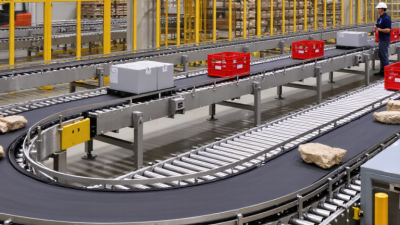
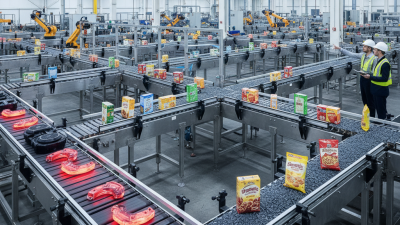
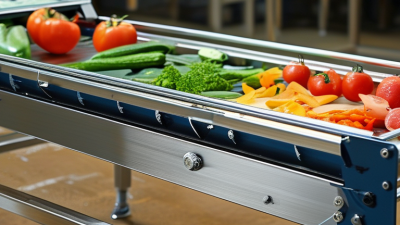
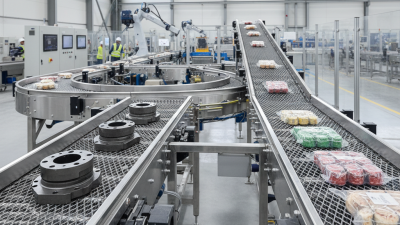
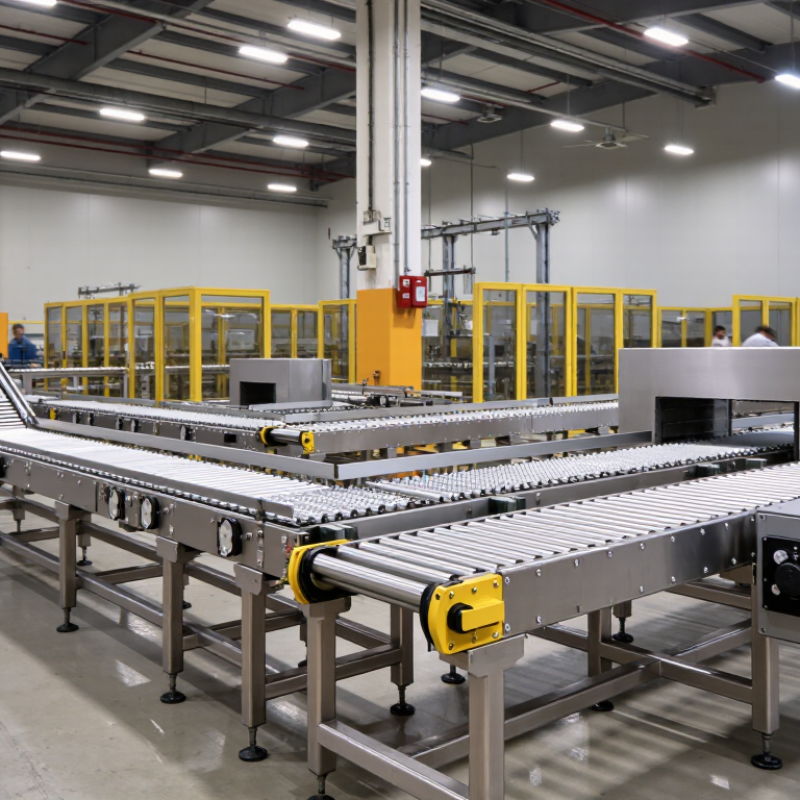
A metal belt conveyor uses linked steel plates, perforated sheets, or wire mesh to move products continuously. Unlike fabric belts, it tolerates sharp edges, hot surfaces, oil, and repeated washing. This makes it useful in food processing, stamping, casting, recycling, heat treatment, and heavy-duty assembly lines. Products travel across a firm surface, often under hoods, through ovens, or beside robotic workstations.
Industry data supports this demand. Fortune Business Insights reported that the global conveyor belt market was valued at about USD 5.6 billion in 2023, with steady growth expected through 2032. Grand View Research also identifies food processing, logistics, and manufacturing as major conveyor applications. Metal belts are not always the cheapest option, though. Their value appears when downtime, heat, sanitation, or product damage creates higher operating costs. In real factories, a poorly selected belt can still stretch, jam, or collect debris. Engineering details matter more than appearance.
Tips:
Check the product temperature, weight, dimensions, and surface condition first. Ask for belt load calculations, cleaning guidance, and wear-test evidence. Measure the smallest transfer gap carefully. A belt that looks strong may perform poorly with tiny parts.
Also inspect the drive, sprockets, tensioning system, and frame alignment. The Conveyor Equipment Manufacturers Association recommends considering belt speed, load, incline, and operating environment together. Leave room for maintenance access. This simple detail is often missed. Decisions should follow verified application data, not only catalog specifications.
Which Metal Belt Conveyor Features Matter Most?
When choosing a metal belt conveyor, belt material matters more than appearance. Stainless steel resists corrosion and supports regular washdown. Carbon steel may reduce cost, but moisture can expose weak points quickly. Match the belt opening, wire diameter, and load pattern to the product. Small parts can slip through wide openings. Heavy trays need stronger support.
Temperature is another decisive feature. Heat-treated products, frozen goods, and wet materials create different demands. Check the operating range, not only the maximum temperature. A conveyor handling hot parts may also need heat-resistant bearings and guards.
Belt tracking deserves close attention. A poorly aligned belt can rub against the frame, creating noise, metal dust, and premature wear. Easy tension adjustment helps technicians correct this without long stoppages.
Maintenance features often separate a reliable conveyor from an expensive headache. Look for accessible sprockets, removable side guards, and visible lubrication points. Washdown areas need sealed components and drainage-friendly frames. I have seen conveyors fail because cleaning water collected beneath the belt. That detail is easy to miss. Safety controls should include emergency stops and protected pinch points. Load testing should use real trays, real temperatures, and realistic speeds. Factory demonstrations can look perfect. Your production floor may not. Ask for inspection records, material certificates, and service guidance before purchase. Also question the design honestly: does every feature solve a real problem, or merely increase the quotation?
How to Evaluate Chinese Metal Belt Conveyor Manufacturers
China Top Metal Belt Conveyor Manufacturer: How to Choose?
When evaluating Chinese metal belt conveyor manufacturers, inspect their production process, not only their website. A polished showroom proves little. Request factory videos, welding photographs, and records of belt tension tests. Check whether technicians measure frame alignment with calibrated tools. Small errors can cause belt tracking problems, noise, and premature wear.
Ask for material details, such as stainless steel grade, belt thickness, edge treatment, and motor specifications. The manufacturer should explain capacity calculations using your product weight, temperature, speed, and conveyor length.
Request a sample test with real items, including hot, sharp, or oily products. Confirm cleaning access around the drive drum and return rollers. Food-related applications also require suitable surface finishes and documented hygiene procedures.
Reliable suppliers provide drawings, inspection reports, spare-parts lists, and clear warranty terms. Traceable production records matter. So does communication. Test response times with technical questions before placing an order. Ask who handles installation support and how faults are diagnosed remotely. One weakness is easy to miss: some suppliers quote attractive prices but exclude controls, guarding, or delivery preparation. Compare complete systems instead of headline costs. I would also review their previous conveyor installations, while remembering that references may not reveal every problem. A careful buyer should allow time for independent inspection before shipment.
What Quality, Safety, and Compliance Standards Should You Check?
Choosing a top metal belt conveyor manufacturer requires more than comparing price and delivery time. Check how safety is designed, tested, and documented.
ISO 12100 requires machinery risk assessment and risk reduction. Ask for the conveyor’s assessment, not a generic certificate. Guards should cover nip points, tail pulleys, chains, and drive areas. Emergency-stop pull cords should be reachable along the full conveyor length. Test them under loaded conditions. Small details matter.
The ILO report A Call for Safer and Healthier Working Environments estimates 2.93 million work-related deaths worldwide each year. This figure makes machine guarding impossible to treat as paperwork. Check whether electrical controls follow IEC 60204-1 or applicable national requirements. For control reliability, review ISO 13849-1 documentation, including safety performance levels and validation records. In China, relevant GB/T and GB standards should match the conveyor’s actual design.
Look for material certificates, weld inspection records, belt specifications, load tests, and factory acceptance results. Ask how corrosion, sharp edges, dust, and cleaning chemicals were considered.
A polished file can still hide weak engineering. During a factory visit, observe whether operators can reach moving parts during normal cleaning. That moment often reveals more than a brochure.
Compliance marks help, but traceable evidence is stronger. A buyer should also confirm installation training, maintenance intervals, spare-part traceability, and local inspection duties before signing.
How to Compare Quotes, Services, and Long-Term Costs?
Choosing a top metal belt conveyor manufacturer requires more than comparing the lowest quotation. Request identical specifications, including belt width, metal grade, thickness, load capacity, speed, motor size, guarding, and control components. A clear quote should separate equipment, installation, commissioning, spare parts, and shipping. Otherwise, the cheapest offer may hide important costs.
Long-term energy use deserves careful attention. The U.S. Department of Energy’s Industrial Motor Systems Market Assessment reports that motor-driven equipment consumes about 69% of industrial electricity.
For a 15-kilowatt conveyor operating eight hours daily, 300 days yearly, consumption reaches 36,000 kilowatt-hours. At $0.12 per kilowatt-hour, that equals about $4,320 annually.
Ask suppliers for motor efficiency data, standby power details, and expected maintenance intervals. Small differences become expensive.
Service quality is harder to measure. Request response-time commitments, technician availability, warranty exclusions, training plans, and a recommended spare-parts list. ISO 9001 certification supports process control, but it does not guarantee excellent field service. Check reference installations with similar heat, dust, and production loads. I have seen polished proposals fail on simple details, such as inaccessible bearings or unclear belt-tension procedures. That deserves reflection. Use a five-year cost sheet covering energy, consumables, downtime, labor, and replacement parts. No spreadsheet predicts every shutdown, but vague assumptions should never remain invisible.