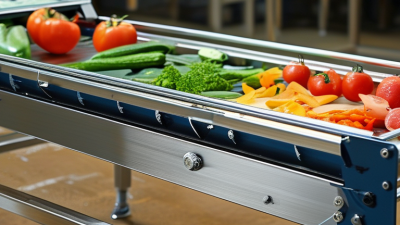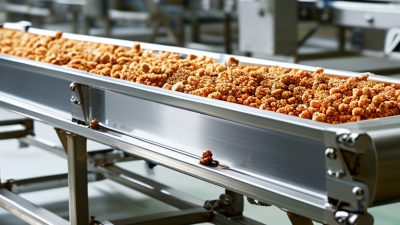
Selecting a stainless conveyor belt is not a simple matter of comparing prices. Belt design affects hygiene, product flow, maintenance, and production downtime. A belt may look polished in a showroom, yet fail around welded joints or sharp transfer points.
Industry data shows why this decision deserves closer attention. Grand View Research valued the global conveyor systems market at approximately USD 7.7 billion in 2023, with continued growth expected through 2030. World Stainless reported global stainless steel production at roughly 60 million tonnes in 2023. These figures reflect expanding demand across food processing, pharmaceuticals, packaging, and industrial manufacturing. They do not, however, guarantee that every stainless conveyor belt suits every line.
Material selection remains critical. AISI 304 stainless steel often fits general food applications, while AISI 316 may offer stronger resistance to chlorides and aggressive cleaning chemicals. Surface finish, wire diameter, opening size, edge construction, and allowable tension also influence performance. EHEDG hygienic design guidance and applicable FDA food-contact requirements provide useful reference points, but compliance should be verified for the actual installation and region.
Real factories are less forgiving. Flour can settle inside small gaps. Wet products can slip through oversized openings. A belt that runs quietly during testing may track poorly after thermal expansion. I have seen specifications focus heavily on tensile strength while overlooking cleaning access. That is an expensive blind spot. The following seven tips examine the practical details, technical evidence, and uncomfortable trade-offs behind choosing the right stainless conveyor belt. Reliability matters more than impressive wording.
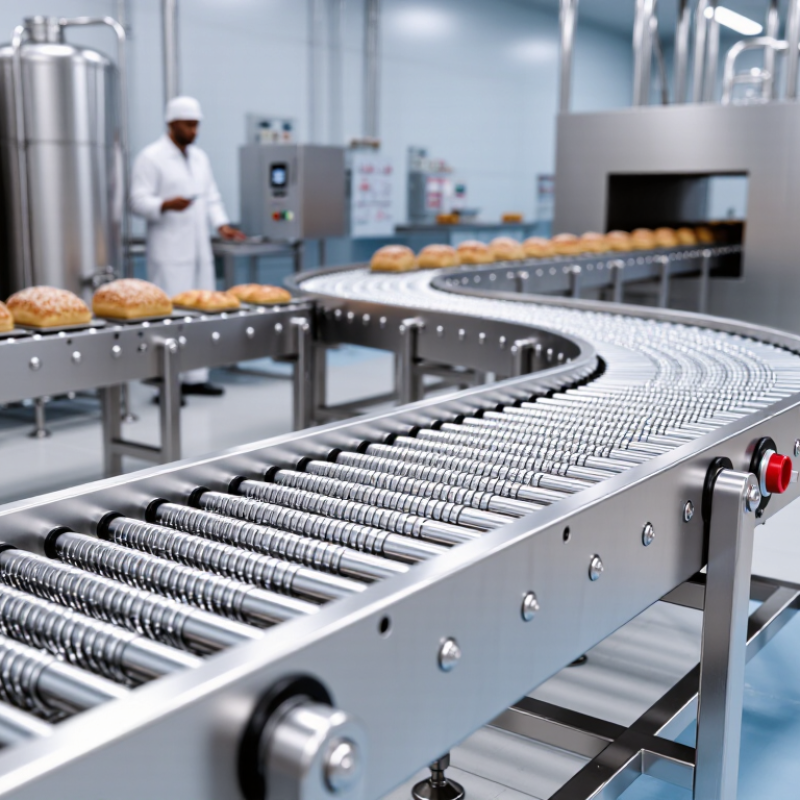
Choosing a stainless conveyor belt starts with a clear description of the work, not a material preference. Record product weight, dimensions, shape, and surface condition. A wet, oily package behaves differently from a dry carton. Measure belt length, width, incline, transfer gaps, and required speed. Include peak load, not only average load. The average can mislead.
Operating conditions determine the belt construction and finish. Note ambient temperature, washdown frequency, humidity, abrasive dust, and chemical exposure. In a food-processing room, frequent hot-water cleaning may demand suitable stainless steel, open spacing, and effective drainage. In a high-temperature line, calculate heat exposure at the belt, not simply room temperature. Check whether products stick, slide, or fall between openings. These details affect pitch, rod diameter, edge design, and drive selection.
During site reviews, I also examine start-stop cycles and loaded belt tension. A belt that runs well empty may track poorly under a heavy batch. Leave room for maintenance access and thermal expansion. Confirm the conveyor frame, sprockets, and controls can support the selected belt. Documentation should state load limits, speed range, cleaning method, and inspection intervals. One overlooked condition can shorten service life. Recheck assumptions with operators; their observations often expose problems that drawings miss. I still find this step easy to underestimate.
Choosing the right stainless steel grade starts with the environment around the belt. In a washdown line, water, detergent, salt, and food acids can affect steel differently. Grade 304 suits many dry or mildly wet applications. It offers good corrosion resistance and forms a clean, durable surface. However, 304 is not automatically suitable for every plant. Chloride-rich brine can expose its weakness. I learned this after inspecting pitting near a belt’s side plates. Small brown spots were an early warning.
Grade 316 or 316L is often better where chlorides, coastal air, or aggressive cleaning chemicals are present. Molybdenum improves resistance to localized corrosion. The “L” version reduces carbon and supports cleaner weld areas after fabrication. It still needs proper cleaning and drainage. No grade can compensate for trapped moisture under product buildup. For high-temperature service, check the actual operating cycle. Repeated heating and cooling can affect strength, flatness, and belt tension. Grade 430 may suit dry, low-corrosion environments. Its lower alloy content can reduce cost, but corrosion resistance is lower. I would avoid it near salt spray without test evidence.
Ask for the material certificate, chemical composition, weld details, and surface finish. Compare them with cleaning agents and operating temperatures. A small coupon test can reveal staining before full installation. Include belt wire, rods, and edge components in the review. They must match the operating environment.
I used to focus too heavily on the belt mesh itself. That was a mistake. The weakest component often determines service life.
Match belt design to the product, temperature, speed, and cleaning routine. A fragile pastry needs a tight mesh and gentle transfer. Small openings reduce product loss, while larger openings improve drainage. Choose 304 stainless steel for many dry applications. Consider 316 stainless steel for salt, acids, or frequent chemical cleaning.
The FAO’s State of Food and Agriculture 2019 reported that about 14% of global food is lost between harvest and retail. Belt design can influence that loss. A smooth, stable surface reduces crushing and product trapping. For wet processing, select open mesh, rounded edges, and adequate belt spacing. The FDA Food Code 2022 requires food-contact surfaces to be corrosion-resistant, smooth, and easily cleanable. Looks clean is not enough.
Match belt strength to the load and incline. Check wire diameter, pitch, edge construction, and drive method. UNEP’s Food Waste Index Report 2024 estimated 1.05 billion tonnes of food waste in 2022. That figure is uncomfortable. Small handling failures still matter.
In my experience, teams often choose belt speed before testing product behavior. That is backwards. Run a sample under real moisture, heat, and cleaning conditions. Recheck it after several cycles. The first choice may be wrong. That is useful information.
Tip 1: Check the belt’s tensile strength against your heaviest product and longest conveyor span. A belt that looks solid may still stretch under repeated loads.
Tip 2: Examine wire diameter, mesh shape, and edge construction. These details affect tracking, impact resistance, and heat performance. Ask for test data, not only catalog claims. In practice, small edge defects can become costly failures. I have seen maintenance teams overlook this point.
Tip 3: Match the stainless steel grade to the cleaning environment. Moisture, salt, acids, and alkaline detergents can attack unsuitable materials. Confirm weld quality and surface finish. Rough joints may trap food particles and cleaning chemicals.
Tip 4: Prioritize open mesh when drainage and airflow matter. It can reduce drying time and improve product cooling. However, openings must suit the product size. Small items may fall through unexpectedly.
Tip 5: Inspect hygiene-focused details, including smooth welds, minimal crevices, and accessible belt supports. A belt is not hygienic simply because it is stainless steel. Cleanability depends on the complete conveyor design.
Tip 6: Evaluate maintenance access before installation. Quick belt removal, adjustable tensioning, and replaceable components can shorten downtime. Request maintenance instructions and recommended inspection intervals. These documents often reveal more than sales language.
Tip 7: Consider the belt’s operating history and supplier support. Ask for references from facilities with similar loads, temperatures, and sanitation routines. Reliable advice should include limitations. Choosing the cheapest belt can be reasonable, but only after calculating cleaning labor, wear, and replacement risk.
Choosing a stainless conveyor belt starts with the supplier, not the catalog price. Ask for material certificates, tensile test results, and dimensional tolerances. A reliable supplier should explain whether 304 or 316 stainless steel suits your washdown chemicals and operating temperature. Vague answers are a warning sign.
Compare quotes line by line. Check belt length, wire diameter, edge finish, sprockets, shipping, installation support, and replacement parts. A low offer may exclude essential components. It may also use thinner wire, reducing service life. Ask about production lead time and how the supplier handles defects. Documentation matters.
Think beyond the first invoice. A belt that stretches, corrodes, or tracks poorly can create hours of downtime. Estimate cleaning labor, energy use, repairs, and expected replacement intervals. We once focused too heavily on purchase price and overlooked maintenance access. That decision looked efficient at first. It was not.
Request references from facilities with similar loads and cleaning routines. Inspect sample joints and surface finish before placing a large order. A reputable supplier should provide clear tolerances and practical maintenance guidance. Still, supplier claims require verification. Compare test data with your actual conditions, then review performance after installation. Long-term value depends on fit, workmanship, and support—not stainless steel grade alone.