Choosing the right stainless conveyor belt is rarely a simple price comparison. A belt may look affordable online, yet its mesh, wire diameter, edge finish, and joining method can change the final cost. Suppliers also price belts differently for food processing, heat treatment, pharmaceuticals, and general industrial transport.
Stainless conveyor belt engineer Michael R. Smith offers a practical warning: “The cheapest belt often becomes the most expensive part of the line.” This point matters when a belt runs beside washdown stations, carries sharp components, or operates near 400°C heat. A 304 stainless steel belt may suit many dry applications, while 316 stainless steel can provide better resistance in salty or chemical environments. The correct choice depends on evidence, not appearance.
This guide compares leading suppliers, common belt constructions, and realistic price factors. It considers material grade, belt width, pitch, load capacity, operating temperature, and replacement support. A small sample belt should be tested before ordering hundreds of meters. That step is easy to skip.
Quoted prices may exclude sprockets, rods, shipping, installation, or custom welding. They can also change with order volume and regional manufacturing costs. Readers should request technical drawings, material certificates, warranty terms, and delivery dates from each supplier. I have seen buyers focus on the initial quotation and overlook cleaning time, belt tracking, and downtime. That approach needs reconsideration. A reliable supplier should explain both performance limits and maintenance requirements, not merely offer the lowest number.
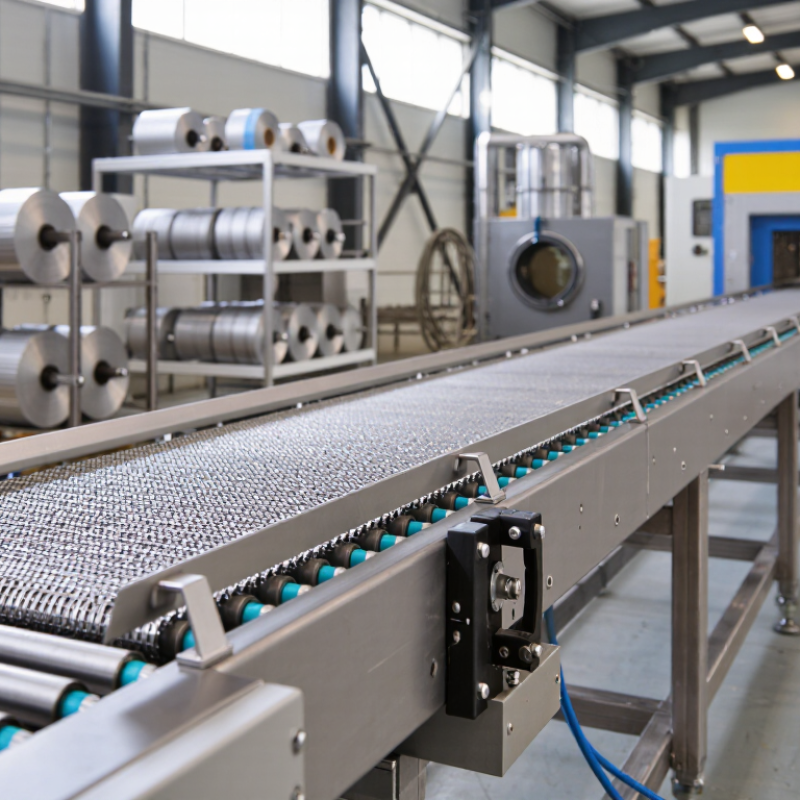
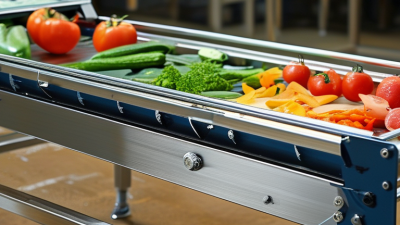
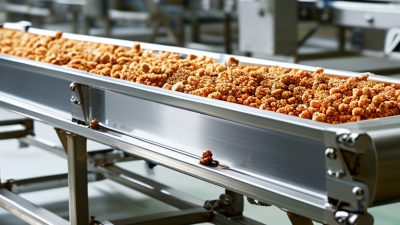
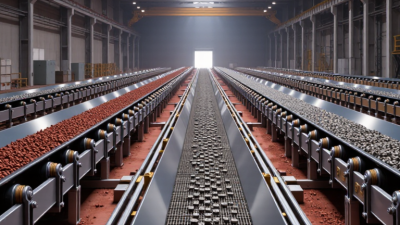
Stainless conveyor belts vary by weave, rod structure, and surface finish. Balanced weave belts offer stable tracking for food processing and washing lines. Compound balanced designs handle small products and reduce gaps between wires. Rod belts suit cooling tunnels, where airflow must reach hot products evenly. Heavy-duty chain-edge belts carry metal parts through stamping, heat treatment, and coating areas. Belt choice depends on load, temperature, cleaning chemicals, and opening size. In practice, an attractive specification can still fail under poor tension control. That detail is easy to miss.
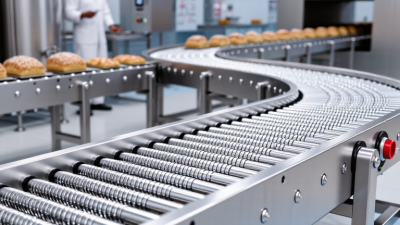
Spiral belts support continuous drying, frying, and baking operations. Their wide surfaces provide steady product movement across long production lines. Flat wire belts are useful for sorting, freezing, and light assembly work. They clean quickly, but sharp edges may damage delicate products. Suppliers usually calculate prices from wire diameter, belt width, edge design, and order volume. Installation hardware and custom testing can add unexpected costs. A low quotation is not always economical. It may hide weaker joints or limited corrosion resistance.
Tips: Confirm the working temperature, product weight, and cleaning method before ordering. Request a belt sample or drawing with exact dimensions. Check the allowable tension and minimum sprocket diameter. Leave space for thermal expansion. Inspect welds closely; small defects can grow under repeated loading. If the belt will carry wet or salty products, verify the steel grade through documented material records. Recheck the application with maintenance staff, because operating habits often differ from design assumptions.
Comparing stainless conveyor belt suppliers requires more than checking a price list. Ask how each supplier verifies wire diameter, mesh size, belt width, and tensile strength. Small measurement errors can cause tracking problems, product loss, or early wear. Request a material certificate confirming the stainless grade, such as 304 or 316, and check whether heat treatment or surface finishing is documented.
Supplier experience becomes visible in the details. A reliable company should provide drawings, load calculations, sample sections, and clear production tolerances. Compare welding quality around every joint, especially where the belt passes over small sprockets. Ask about edge finishing, replacement rods, installation guidance, and warranty conditions. Delivery time matters too. A cheaper offer is not useful if production stops for six weeks.
Price comparisons should include the complete operating cost. Review shipping, inspection, spare parts, maintenance advice, and possible tooling charges. Ask whether the quotation covers testing and final dimensional checks. One weakness in many comparisons is trusting polished documents too quickly. Inspect a sample yourself, or have an engineer check it under working conditions. A belt may look excellent on a clean showroom table. Heat, moisture, abrasive products, and repeated washing can tell a different story. Supplier communication also deserves a practical test: send the same technical questions and compare the precision, speed, and honesty of each reply.
| Comparison Factor | Standard Stainless Belt | Food-Grade Stainless Belt | Heavy-Duty Stainless Belt | What to Verify with a Supplier |
|---|---|---|---|---|
| Typical belt construction | Woven wire mesh, balanced weave, or chain-edge construction | Smooth or cleanable mesh with hygienic edges and minimized product traps | Reinforced mesh, rod-and-link, or heavy-duty chain-driven construction | Belt drawing, mesh pattern, edge style, rod diameter, and joining method |
| Common stainless-steel grade | AISI 304 for general indoor and moderately corrosive service | AISI 304; AISI 316 or 316L where chlorides, salt, or aggressive cleaning chemicals are present | AISI 304 or 316/316L according to temperature and corrosion exposure | Material certificates, grade designation, surface finish, and traceability |
| Indicative price range* | Approximately US$80–220 per m² | Approximately US$120–350 per m² | Approximately US$220–650+ per m² | Confirm whether pricing includes edge fittings, sprockets, fasteners, testing, packaging, and freight |
| Typical belt width capability | Commonly 200–2,000 mm; wider custom sizes may be available | Commonly 300–2,000 mm, subject to hygiene and support requirements | Commonly 500–3,000 mm, depending on load and conveyor design | Confirm usable width, overall width, allowable tolerance, and maximum unsupported span |
| Temperature suitability | Often suitable for approximately -50°C to 400°C, depending on design and load | Typically used from chilled or frozen conditions to moderate baking and cooking temperatures | Designed for high-load heating, cooling, washing, or heat-treatment applications | Request the supplier’s continuous operating temperature, peak temperature, and load limits |
| Open-area range | Approximately 20%–80%, selected according to product size and airflow needs | Approximately 30%–70%, balancing drainage, cleanability, and product support | Approximately 25%–80%, depending on heating, cooling, filtration, or conveying requirements | Check aperture size, wire diameter, product retention, airflow, and cleaning access |
| Drive and tracking options | Friction drive, sprocket drive, or chain-edge drive | Positive sprocket drive is commonly preferred for stable tracking and sanitation | Heavy-duty sprockets, chain edges, and reinforced drive components | Confirm sprocket pitch, shaft arrangement, belt tension, and tracking method |
| Minimum order quantity | Often one standard roll or one custom belt assembly | Usually one complete belt; custom fabrication may require a larger order | Typically quoted per project because of custom width, load, and drive requirements | Ask for minimum order, sample availability, cutting charges, and spare-part policy |
| Typical production lead time | Approximately 2–5 weeks for standard sizes | Approximately 3–8 weeks for custom sanitary configurations | Approximately 5–12 weeks for engineered or large belt assemblies | Confirm production schedule, inspection time, shipping method, and delivery terms |
| Quality documentation | Dimensional inspection and material declaration | Material certificate, hygienic design information, and cleaning recommendations | Load calculations, weld inspection, dimensional report, and material traceability | Request inspection reports, test records, certificates, and documented acceptance criteria |
| Best-fit applications | General conveying, drying, screening, washing, and light industrial processing | Food processing, baking, freezing, frying, washing, draining, and packaging lines | Heat treatment, heavy parts, high-load transfer, ovens, furnaces, and industrial washing | Evaluate product weight, line speed, incline, cleaning chemicals, heat, and operating cycle |
| Warranty and after-sales support | Commonly 6–12 months against manufacturing defects | Commonly 6–12 months, subject to sanitation, tension, and installation conditions | Often 12 months for engineered assemblies, subject to documented operating limits | Confirm warranty exclusions, installation guidance, replacement links, and technical response time |
*Price ranges are indicative market estimates in USD per square meter for stainless conveyor belt material or assemblies. Actual quotations vary according to stainless-steel grade, wire diameter, mesh type, belt width, edge construction, quantity, customization, testing, packaging, and freight.
Stainless conveyor belt prices are determined by more than the metal’s weight. The main factors include stainless steel grade, wire diameter, belt width, length, and mesh design. Food-processing applications often require corrosion-resistant steel and smooth surfaces, which can increase manufacturing costs. A belt with reinforced edges or special drive attachments usually costs more. Custom work adds further expense.
Tips: Request a detailed quotation. Ask for steel grade, open area, load capacity, edge style, and delivery terms. Compare complete specifications, not only the price per meter. A cheaper belt may use thinner wire and wear faster. Check whether installation tools, spare parts, and testing documents are included.
Production volume also affects the final figure. Standard sizes are generally more affordable because suppliers can use existing tooling. Small custom orders may carry setup charges, even when the belt itself is not large. Shipping, packaging, import duties, and tensioning equipment can change the delivered price significantly. Stainless steel prices also move with market conditions, so quotations may have limited validity.
One detail is often missed. A low open-area belt may consume more energy because airflow is restricted. That cost appears later. Buyers should calculate service life, cleaning time, and replacement difficulty alongside the purchase price. I have seen specifications become too optimistic during planning. Actual product weight and operating temperature should be confirmed before ordering. Ask for sample drawings and measurable tolerances. Thin belts can look attractive on paper, but they may deform under repeated heat and heavy loads.
Choosing a stainless conveyor belt supplier requires more than comparing quoted prices. In production, belt failure can stop an entire line within minutes. Experienced buyers examine stainless grade, wire diameter, mesh opening, edge design, and working temperature. These details affect strength, cleaning time, and service life. Ask for material certificates and dimensional inspection records. A reliable supplier should provide both.
Request samples before placing a large order. Check whether the belt tracks smoothly on your conveyor frame. Measure the pitch, width, and joint finish with simple workshop tools. Look for sharp edges, uneven welding, or distorted links. Small defects become serious under heat, vibration, or repeated washing. Supplier experience matters here. Technical staff should explain load limits using clear calculations, not vague promises.
Price comparisons also need careful judgment. A low quotation may exclude connectors, custom sizing, testing, or delivery protection. Confirm the full specification in writing. Review production lead time, replacement support, and response procedures. Traceable inspection documents improve accountability. I once focused too heavily on unit price and overlooked installation adjustments. That mistake increased the final cost. No supplier is perfect, but honest limitations are easier to manage than hidden assumptions.
Choosing the right stainless conveyor belt starts with the product, not the supplier’s sales promise.
In a processing line, I examine product weight, temperature, moisture, and cleaning chemicals before comparing prices. A fine mesh may carry small baked goods smoothly, while a heavy rod belt handles hot parts and sharper loads. Measure conveyor width, length, speed, and drive method carefully. Small errors can create expensive alignment problems.
Material & supplier evaluation Stainless steel grade matters. For damp or washdown areas, corrosion resistance should match the environment, not merely the catalog description. Ask suppliers for material certificates, belt load data, joint details, and documented tolerances. Request operating examples from similar applications. A reliable supplier should explain maintenance access, replacement sections, and expected belt life without making unrealistic claims. Check whether the quoted price includes sprockets, edge finishing, shipping, and installation support. Low prices can hide missing components.
Practical verification I once focused too heavily on the initial quote and overlooked cleaning time. That decision looked efficient until operators struggled with trapped residue. The cheapest belt was not the cheapest system. Compare total ownership cost, including downtime, sanitation labor, lubrication, and spare parts. Also inspect a sample by hand. Flex it, check weld consistency, and look for rough edges. Even good specifications need practical verification. Leave room for uncertainty. Real working conditions may expose weaknesses that a spreadsheet misses.